
Tools
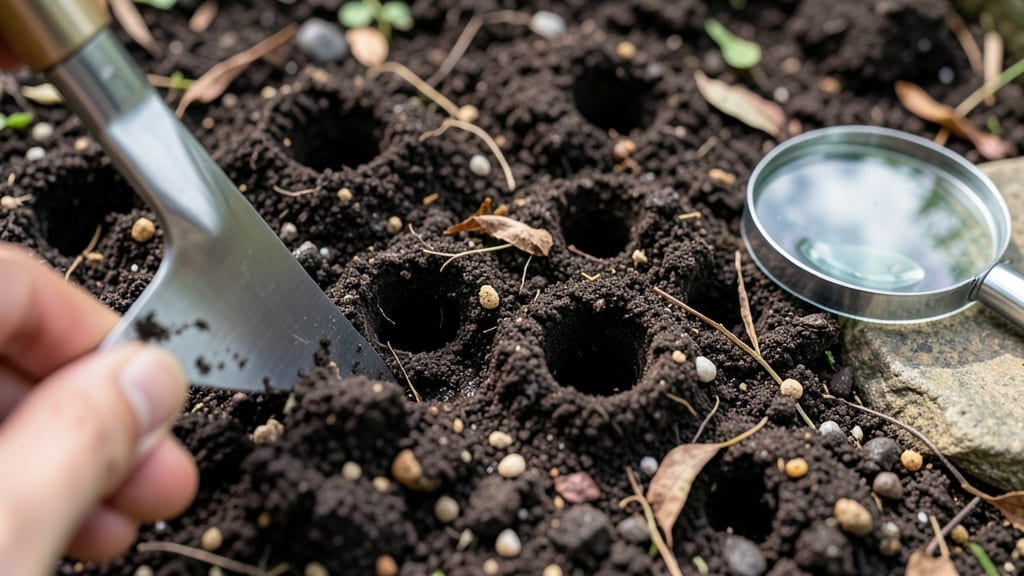
Small holes in garden soil usually come from natural processes like earthworm tunnels, root expansion, or decomposing organic matter, and rarely need fixing unless they harm plant roots or drainage. Check whether they're caused by beneficial insects, fungal activity, or growing plants before deciding on any soil repairs.
These tiny soil disturbances often serve a purpose in your garden ecosystem. 🌱 Earthworm tunnels, for example, improve drainage and aeration, while root systems naturally expand to seek nutrients.
The key is observing whether they're helping or hindering your plants—if you notice wilting or poor growth, it might be time to assess the situation. For instance, fungal decay can create holes that weaken soil structure, while earthworm activity typically enhances it.
When deciding whether to intervene, consider the season and your plants' needs. Spring and fall are ideal times for soil amendments, while summer heat can stress plants further. If you choose to fill holes, use a mix of compost and sand to restore proper aeration without compacting the soil.
For persistent issues, a simple soil test can reveal nutrient imbalances that might be contributing to the problem.
💡 In This Article
- Common Causes of Small Holes in Garden Soil
- When and How to Fix Soil Holes for Healthy Gardens
Common causes of small holes in garden soil
Earthworm tunnels create some of the most beneficial small holes in soil, acting like natural plumbing systems. These creatures burrow through the top 6-12 inches of soil, creating vertical and horizontal channels that improve aeration by 30-50% compared to compacted soil.
Their castings (deposited soil) also enrich the soil with nutrients like nitrogen and phosphorus, making them essential for plant health. You'll often spot these holes near surface mulch or after rain, when worms are most active.
Grub larvae from beetles create another common type of hole, typically 1/8-1/4 inch wide and 1-2 inches deep. These pests feed on plant roots, leaving behind small, irregular holes that can disrupt root systems. Unlike earthworm tunnels, grub holes often appear in clusters and may contain small white larvae.
The damage becomes visible when plants wilt suddenly or fail to thrive despite adequate watering, signaling a potential infestation that requires intervention.
Fungal decay from decomposing organic matter creates yet another type of hole, often accompanied by a spongy soil texture. Certain fungi, like Armillaria (honey fungus), break down wood and plant debris, leaving behind cavities that can weaken soil structure.
These holes may have a musty aroma and appear near decaying roots or wood chips. While some fungal activity is natural, excessive decay can lead to poor drainage and nutrient loss, requiring soil amendments to restore balance.
Root expansion from growing plants also contributes to small soil holes, especially in sandy or loamy soils. As roots seek nutrients and water, they create tiny channels that improve soil aeration. However, aggressive root systems—like those from invasive plants—can form larger holes that disrupt neighboring plants.
The key difference is that root holes often appear near the base of plants and may contain fine root fragments or fibrous material.
Seasonal factors play a crucial role in hole formation. Earthworm activity peaks in spring and fall when soil moisture is ideal, while fungal decay accelerates in warm, humid conditions.
Grub larvae thrive in summer heat, making this the best time to monitor for infestations. Observing these patterns helps gardeners distinguish between natural processes and potential problems.
To identify the cause, examine the hole's location, size, and surrounding soil. Earthworm tunnels are smooth and vertical, grub holes contain larvae, fungal decay leaves spongy textures, and root holes appear near plants.
This detective work ensures you address the right issue—whether it's celebrating earthworm activity or treating a pest infestation.