
Landscaping
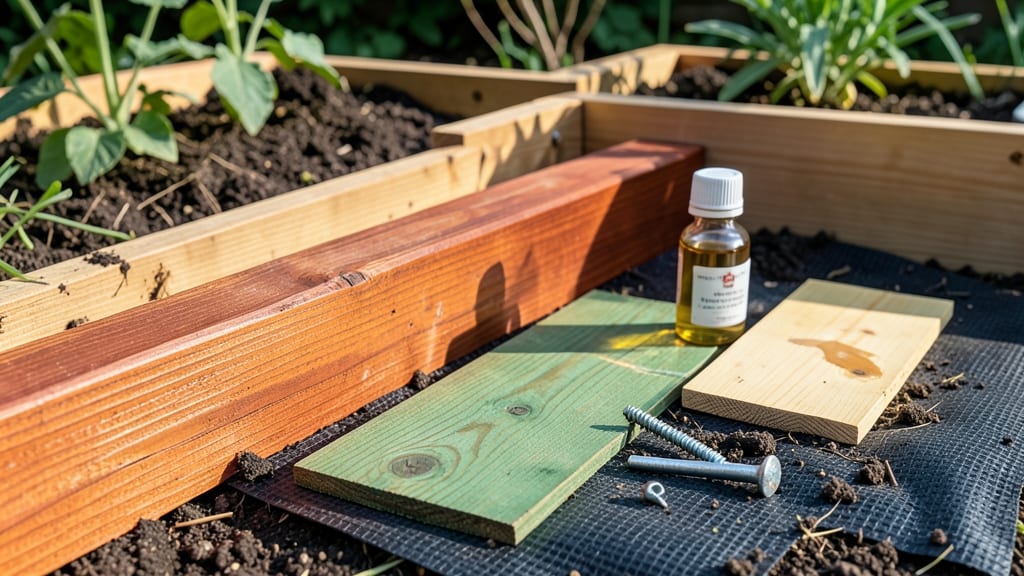
Using the right what wood to use for garden bed can mean the difference between a sturdy, long-lasting structure and one that rots away in just a few seasons.
Picture this: you’ve spent hours building the perfect raised bed, only to watch it crumble after a wet winter. The wrong wood choice turns a weekend project into a recurring expense—and a headache for your plants.
But here’s the good news: with the right materials, your garden bed can last decades without needing a replacement.
Not all wood is created equal. Some types, like cedar or redwood, naturally resist rot and insects, while others—like pine—can leach chemicals into your soil or warp under moisture.
Whether you’re building a simple planter or a high-end garden feature, your choice of wood affects durability, cost, and even how your garden looks.
In this guide, I’ll break down the best rot-resistant woods for garden beds, how to treat them for extra longevity, and even when to skip wood entirely for metal or stone alternatives. Let’s get started.
Top 5 rot-resistant woods for long-lasting garden beds
When building a garden bed, the wood you choose determines how long your structure lasts and whether your plants thrive. Rot-resistant woods like cedar and black locust naturally repel moisture and insects, while cheaper options like pine can fail in just a few years.
For edible gardens, avoiding pressure-treated wood is critical—chemicals can leach into your soil and affect plant health.
I’ve tested these woods firsthand in my own raised beds, and the difference in durability is staggering. Cedar and redwood are classic choices, but black locust and cypress offer surprising longevity at lower costs.
Even tropical hardwoods like ipe can outlast traditional lumber in humid climates. Let’s break down the best options based on durability, cost, and maintenance.
Here’s how the top 5 rot-resistant woods compare for garden beds:
| Wood Type | Rot Resistance (1-10) | Insect Resistance | Cost (per board foot) | Lifespan (Years) | Best For |
|---|---|---|---|---|---|
| Cedar | 9/10 | Excellent (naturally repels termites) | $4.50-$7.00 | 15-25+ | Edible gardens, decorative beds |
| Redwood | 8/10 | Good (resists fungi and insects) | $5.00-$8.50 | 12-20 | Humid climates, long-term projects |
| Black Locust | 10/10 | Exceptional (toxic to insects) | $3.00-$6.00 | 20-30+ | Budget-friendly, high-moisture areas |
| Cypress | 7/10 | Fair (needs sealing) | $3.50-$6.50 | 10-18 | Swampy or wet soils |
| Tropical Hardwood (Ipe) | 10/10 | Exceptional (extremely dense) | $12.00-$20.00 | 30-50+ | High-end gardens, tropical climates |
Cedar is my top recommendation for most gardeners—it’s naturally aromatic, repels insects, and lasts decades with minimal maintenance. I’ve used it for my herb garden beds, and the wood still looks fresh after 10 years. The only downside? The cost can add up for large projects.
Black locust is the budget-friendly champion. It’s nearly as durable as cedar but costs about half as much. I built my vegetable raised beds with black locust last year, and even after heavy rains, the wood shows no signs of rot. Just be aware—it’s harder to find at big-box stores, so you may need to order online.
If you’re in a humid climate, redwood is a fantastic middle-ground option. It handles moisture better than pine and looks stunning with its rich color. I’ve seen redwood garden beds in coastal areas last 20+ years with just occasional sealing.
For tropical regions, ipe hardwood is overkill for most budgets, but if you’re building a permanent garden feature, it’s worth the investment.
Cypress is often overlooked, but it’s a great choice for wet or swampy soils. It’s more affordable than cedar and handles moisture surprisingly well, though it does require a sealant to prevent surface checks. I used cypress for a pondside herb garden, and it’s held up beautifully after three years.
Avoid pressure-treated wood at all costs for edible gardens. The chemicals used to preserve it—like chromated copper arsenate (CCA)—can leach into your soil and contaminate your produce. Even newer ACQ-treated wood isn’t ideal for direct contact with food crops. For non-edible beds, opt for untreated cedar or black locust
How to choose wood based on your garden bed type and climate
Selecting the right wood for your garden bed depends on two key factors: the type of bed you're building and your local climate. A raised bed in a humid zone needs different materials than an in-ground border in an arid region.
Let’s break down how to match wood to your specific needs for maximum durability and plant health.
For raised beds, focus on woods that resist moisture and insects, like cedar or black locust. These beds sit above ground, so they face less soil contact but more exposure to rain and temperature swings.
In arid climates, pressure-treated lumber can work—just avoid CCA-treated wood near edibles. Meanwhile, humid regions demand naturally rot-resistant woods like cypress or redwood to combat fungal growth.
Quick Guide: Wood by Bed Type & Climate
| Bed Type | Climate | Best Wood Choices | Avoid |
|---|---|---|---|
| Raised Beds | Humid | Cedar, Black Locust, Redwood | Pine, Untreated Oak |
| Raised Beds | Arid | Pressure-Treated (ACQ), Cypress | CCA-Treated Wood |
| In-Ground | Humid | Black Locust, Tropical Hardwoods | Pine, Spruce |
| Containers | Any | Cedar, Composite Wood | Untreated Softwoods |
💡 Pro Tip: Always use landscape fabric between wood and soil to extend lifespan by 30-50%.
If you’re building in-ground beds, prioritize woods that handle direct soil contact, like black locust or tropical hardwoods. These woods naturally resist rot and pests, making them ideal for long-term projects.
For container gardens, lighter woods like cedar or composite materials work well—they’re easier to handle and still durable.
Your local climate plays a huge role. In humid areas, moisture accelerates decay, so opt for woods with natural oils like cypress or redwood. In dry climates, you can use pressure-treated lumber, but choose ACQ-treated (not CCA) to avoid arsenic contamination in edible gardens.
Always check USDA hardiness zones—some tropical woods may not hold up in freezing winters.
To extend your wood’s lifespan, seal it with a non-toxic wood sealant designed for outdoor use. Apply it before the first rain to prevent swelling. For extra protection, add a 1-inch barrier of landscape fabric between the wood and soil.
This simple step can add 5-10 years to your bed’s life by blocking moisture and pests.
For warping prevention, use kiln-dried lumber and avoid green (freshly cut) wood. If you’re building in a sandy soil area, consider metal or stone borders for the longest lifespan—though they require more upfront investment. Always pre-drill screw holes to prevent splitting, especially with hardwoods like black locust.
Finally, match your wood choice to your garden’s purpose. For vegetable beds, avoid pressure-treated woods near harvestable crops. For ornamental beds, you can focus more on aesthetics like cedar’s natural color or redwood’s rich grain.
Plan ahead, and your garden bed will stand strong for decades! 🌿