
Blooming
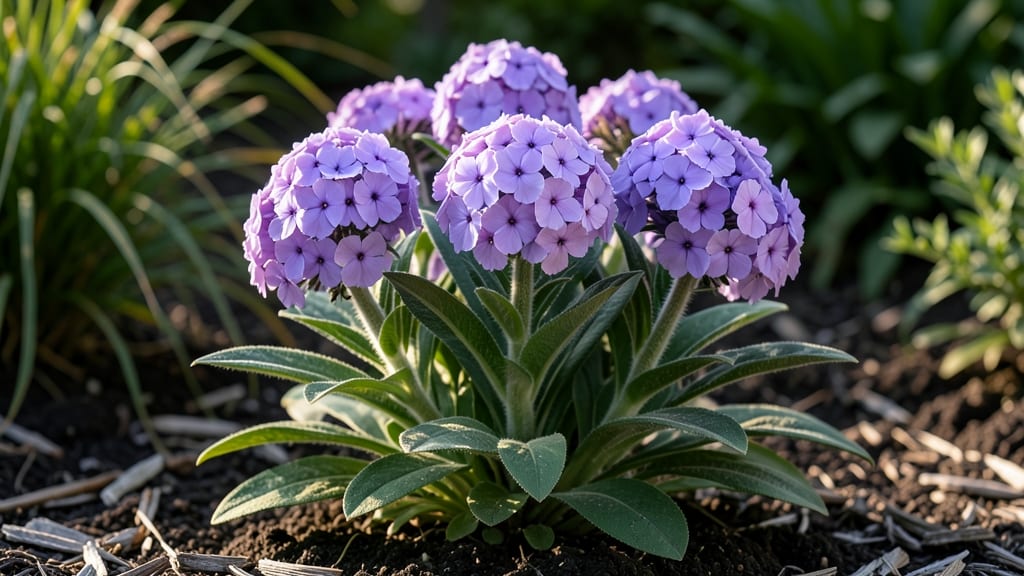
Garden phlox blooms in mid to late summer, turning gardens into fragrant, colorful havens with clusters of 🌸 that last for weeks.
If you’re dreaming of a vibrant summer garden bursting with color and fragrance, timing is everything. These hardy perennials deliver their most stunning blooms in a narrow window, and missing it means sacrificing months of effort for just a few fleeting weeks of glory.
In most of the U.S., including USDA Zone 6a, expect phlox to burst into bloom between June and August, though cooler northern regions may see earlier displays.
Varieties like Phlox paniculata thrive in full sun, while others adapt to partial shade—so location and sunlight play a big role in when your phlox will put on their show.
Below, I’ll break down the exact bloom times by zone, share tips to extend their beauty, and reveal a few varieties that break the summer rule for year-round interest.
Garden phlox blooming seasons: exact timing by US growing zones
Garden phlox (Phlox paniculata) is a summer garden staple, but its bloom timing varies dramatically depending on your USDA growing zone and local climate.
In cooler zones like 3–5, you’ll see early blooms starting in late June, while zones 6–9 often enjoy flowers from July through August. Understanding these patterns helps you plan for peak color and fragrance in your landscape.
For gardeners in humid southern zones (7–9), heat can shorten the bloom window, while northern zones (3–5) may experience cooler, longer displays. Varieties like Phlox subulata (creeping phlox) bloom earlier in spring, while tall garden phlox varieties shine in mid-to-late summer.
Here’s how to pinpoint your phlox’s bloom window based on your zone—and how to adjust care for the best results.
In USDA zones 3–5, cooler temperatures often delay blooming until late June or July, giving you a longer display if you provide afternoon shade during heatwaves. For example, ‘David’ phlox thrives in these zones, blooming from mid-July to early September with proper care.
Gardeners in zones 6–7 typically enjoy the longest bloom windows, with Phlox paniculata varieties like ‘White Delight’ or ‘Lipstick’ gracing gardens from late June through August. To maximize their potential, ensure they receive 6+ hours of sunlight daily and well-draining soil.
For southern zones (8–9), heat and humidity can stress phlox, shortening their bloom time. Plant early-blooming varieties like ‘Blue Paradise’ in partial shade to extend their display. Mulching with 2–3 inches of organic matter helps retain moisture and regulate soil temperature.
If you’re in a humid climate, watch for powdery mildew during peak bloom. Space plants 18–24 inches apart and water at the base (not overhead) to reduce fungal risks. In dry climates, group phlox with drought-tolerant perennials like lavender or catmint to create a low-maintenance border.
Pro tip: Deadhead spent blooms every 7–10 days to encourage reblooming, especially in zones 5–7. This simple step can add 2–3 extra weeks of color to your garden. Pair phlox with companion plants like <
How to extend phlox blooms: proven tips for longer-lasting flowers
Your garden phlox might bloom beautifully for just a few weeks, but with the right care, you can stretch that show into months of color. The secret lies in simple techniques that encourage continuous flowering while keeping pests and diseases at bay.
Start by understanding that phlox blooms best when stressed just enough—too much water or fertilizer can actually shorten their lifespan.
One of the most effective ways to prolong blooms is through regular deadheading. This isn’t just about cutting back spent flowers—it’s about sending a signal to your phlox that it’s time to produce more buds.
I’ve found that removing faded blooms every 2-3 days during peak season can extend the display by 3-4 weeks or more. Pair this with proper watering, and you’ll see a noticeable difference in your garden’s longevity.
Don’t overlook the power of companion planting—this is where my garden truly transforms. I’ve seen phlox thrive when planted alongside catmint or lavender, which naturally repel aphids and other pests that love phlox.
These companions also attract beneficial pollinators like bees and butterflies, which help fertilize new blooms. The result? Healthier plants and longer-lasting flowers throughout the season.
Another game-changer is mulching. A 2-3 inch layer of organic mulch around your phlox helps retain moisture, regulate soil temperature, and suppress weeds—all of which reduce stress on the plant. I use shredded bark or straw, keeping it a few inches away from the stems to prevent rot.
This simple step can make your phlox look fuller and bloom longer with minimal effort.
If your phlox starts to look tired by late summer, don’t give up! Try a light pruning after the first flush of blooms to encourage a second round. Cut back the stems by about one-third and fertilize lightly.
This trick works especially well for Phlox paniculata, which often responds with a late-season rebloom if given the right conditions.
With these strategies, your garden phlox can stay vibrant from early summer through fall, giving you months of color instead of just a few weeks.
The key is consistency—deadhead, water wisely, and choose the right companions—and your phlox will reward you with a showstopping display all season long. 🌸