
Blooming
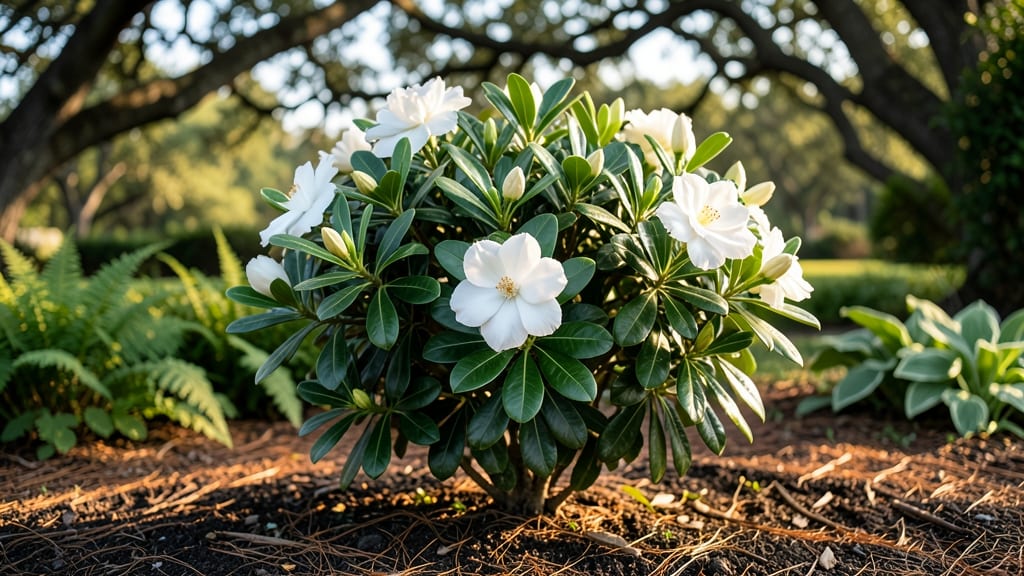
Gardenias bloom in North Carolina from late May through July, with their peak flowering period in June, though exact timing depends on the specific variety and local weather patterns. For the best summer blooms, plant gardenias in early spring.
North Carolina's warm, humid summers create ideal conditions for gardenias, but cooler mountain regions may see slightly later blooms. 🌸 The key to timing is understanding your specific hardiness zone—gardenias thrive in zones 7-10, with varieties like 'Kleim’s Hardy' offering better cold tolerance for northern NC.
Planting in early spring (March-April) gives roots time to establish before the heat of summer arrives, which is when these fragrant flowers really shine.
What many gardeners don't realize is that gardenias actually set their flower buds the previous fall—this is why late summer planting can reduce next year's blooms. The plant needs consistent moisture during this critical period, especially in NC's often dry early summer months.
I've found that mulching helps maintain soil moisture while protecting roots from temperature swings that can delay flowering.
💡 In This Article
- Climate Factors Affecting Gardenia Bloom Times in NC
- Best Gardenia Varieties for North Carolina Gardens
Climate factors affecting gardenia bloom times in NC
North Carolina's diverse climate—from the coastal plains to the mountain regions—creates distinct bloom windows for gardenias. The state spans USDA hardiness zones 6b-8a, and gardenias (native to tropical/subtropical Asia) are particularly sensitive to these zone differences.
In zone 7b (central NC), gardenias typically bloom around late May to early June, while in zone 8a (coastal areas), they may start as early as mid-May due to warmer winters and longer growing seasons.
The key trigger is consistent temperatures above 60°F for at least 2-3 weeks, which signals the plant to break dormancy and initiate flowering.
Frost dates play a critical role in bloom timing. Gardenias are frost-sensitive, and late spring frosts (below 28°F) can damage new growth and delay blooming.
In the mountains (zone 6b), gardeners often see blooms pushed back to June-July because cooler springs slow the plant's metabolic processes. 🌿 Meanwhile, coastal areas with milder winters may experience earlier but shorter bloom periods.
What's fascinating is how gardenias actually form their flower buds in the fall, but these buds remain dormant until spring warming triggers their development—a process influenced by day length (photoperiod) and temperature cues.
Heat sensitivity also affects bloom duration. While gardenias love NC's humid summers, temperatures consistently above 90°F can cause buds to drop before opening. This is why afternoon shade becomes crucial in inland areas like Raleigh or Charlotte during peak summer months.
I've noticed that gardenias in partial shade gardens often produce more blooms than those in full sun, as the cooler conditions reduce stress on the plant. The ideal temperature range for blooming is 70-85°F—any hotter, and the plant conserves energy by focusing on survival rather than reproduction.
Another critical factor is soil moisture. Gardenias are native to tropical regions where rainfall is frequent, and they develop shallow root systems that dry out quickly in NC's often dry early summer.
In zone 7a, for example, gardeners must water 2-3 times per week during June-July to maintain consistent soil moisture, which directly impacts bloom quality. Drought stress can cause buds to abort, while overwatering leads to root rot—a delicate balance that explains why many gardeners struggle with inconsistent blooming.
Mulching with 2-3 inches of organic matter helps regulate soil temperature and retain moisture, creating optimal conditions for continuous flowering.
Microclimates within NC add another layer of complexity. A garden in Asheville (zone 7b) might experience blooms 2-3 weeks later than one in Wilmington (zone 8a), even if using the same variety.
Coastal areas benefit from the moderating influence of the Atlantic Ocean, while inland regions face more extreme temperature swings. This is why I always recommend monitoring local weather patterns—especially the last frost date in your area—and choosing gardenia varieties with cold tolerance ratings that match your specific microclimate.
For gardeners in transitional zones (like zone 7a), selecting cold-hardy varieties can extend the bloom window. Varieties like 'Kleim’s Hardy' can tolerate brief dips to 15°F when fully established, while tropical varieties may need winter protection.
The trade-off? Hardy varieties often bloom slightly later but produce more reliable flowers in cooler climates. Understanding these climate interactions helps you predict bloom times with greater accuracy and plan your garden accordingly.