
Blooming
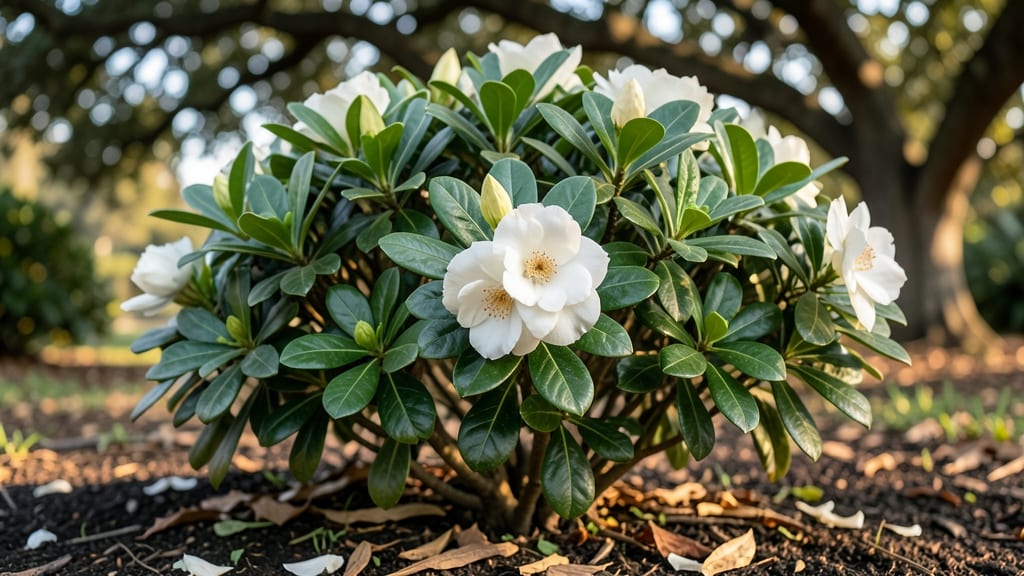
Gardenias flower in late spring through summer 🌸, with their timing depending on your climate and care routine—think creamy blooms and intoxicating scent filling your garden for weeks.
But here’s the catch: if you’re not in a tropical zone, their natural blooming window can feel disappointingly short. The good news? With the right pruning and care, you can stretch those fragrant blooms into nearly year-round displays.
From USDA Zone 6a to warmer regions, I’ll break down when to expect flowers, how to spot healthy gardenias primed to bloom, and the simple pruning tricks that keep them flowering longer than their usual spring-to-summer season.
Ready to transform your garden into a fragrant paradise? Let’s dive into the secrets of extending gardenia blooms—no mystery, just more of that heavenly scent.
Gardenia flowering seasons: when and why they bloom year-round
If you’ve ever wondered when do gardenias flower, the answer depends on your climate and care routine. In their natural spring/summer bloom cycle, gardenias typically burst into creamy white flowers between late spring and early summer, but with the right adjustments, you can extend that window.
Understanding their natural blooming triggers—like temperature shifts and daylight—helps you time everything perfectly for a longer fragrance-filled season.
The USDA zones 7-11 offer the best conditions for gardenias, but even within these zones, timing varies. For example, in zone 10 or 11, gardenias can bloom year-round, while in zone 7 or 8, they’ll take a winter break.
The key to year-round blooms lies in pruning, light management, and consistent care, which we’ll dive into next.
| USDA Zone | Natural Bloom Window | Extended Bloom Potential | Key Care Adjustment |
|---|---|---|---|
| 7 | May–July | Late spring–early fall | Prune in late winter, use grow lights in short days |
| 8 | April–June | Spring–late summer | Light pruning after blooms, acidic fertilizer |
| 9 | March–August | Year-round with care | Consistent moisture, partial shade |
| 10–11 | Year-round | Year-round | Protect from harsh sun, mulch regularly |
Gardenias thrive on long daylight hours and warm temperatures, which is why their peak blooming season aligns with spring and summer. However, their blooms are triggered by new growth, not just seasonal changes.
This means that if you encourage consistent new growth through proper pruning and fertilization, you can stretch their blooming window well beyond their natural cycle.
For example, in USDA zone 7, where gardenias typically bloom from May to July, you can coax an extra 2–3 months of blooms by pruning lightly after the first flush of flowers and providing balanced fertilization every 4–6 weeks.
This stimulates fresh growth, which in turn produces more buds.
In warmer zones like zone 9 or 10, gardenias can bloom almost year-round if given the right conditions. The secret here is maintaining consistent moisture and partial shade, especially during the hottest months.
Too much direct sun can stress the plant, causing it to drop buds or flowers prematurely. A morning watering routine and afternoon shade keep them thriving.
Light plays a critical role in gardenia blooming. These plants prefer bright, indirect light, which mimics their natural understory habitat. If you’re growing gardenias in containers or shaded gardens, consider supplementing with a grow light for 4–6 hours daily during shorter winter days.
This extra light can trick the plant into thinking it’s spring, prompting it to bloom earlier and more abundantly.
Another often-overlooked factor is soil acidity. Gardenias are acid-loving plants, and a pH between 5.0 and 6.0 is ideal for blooming. If your soil is too alkaline, the plant may struggle to absorb nutrients, leading to fewer or smaller flowers.
You can test your soil’s pH with a simple kit and amend it with sulfur or peat moss if needed. This small adjustment can make a huge difference in bloom quality.
Pruning isn’t just about shaping your gardenia—it’s a strategic tool for encouraging blooms. When you prune right after the first flush of flowers, you remove spent blooms and stimulate the growth of new wood, which is where next year’s buds form.
Avoid heavy pruning in late summer or fall, as this can reduce next season’s blooms. Instead, focus on light shaping in late winter to promote fresh growth.
Finally, don’t underestimate the power of consistent care. Gardenias are not drought-tolerant, so maintaining even moisture—especially during their blooming season—is essential. Mulching around the base of the plant helps retain moisture and keeps roots cool, which is particularly important in hotter climates like zones 9–11.
A 2–3 inch layer of mulch can also suppress weeds and improve soil health over time.
With these care adjustments, you can transform your gardenia from a seasonal bloomer into a year-round fragrance machine. Whether you’re in cool zone 7 or tropical zone 11, the key is understanding your plant’s needs and giving it the right conditions to thrive.
Soon, you’ll be enjoying those creamy white blooms and intoxicating scent for months on end. 🌸
Pruning tricks to extend gardenia blooms beyond their natural season
Gardenias typically bloom from late spring to early summer, but with the right pruning techniques, you can coax them into producing flowers well beyond their natural season. The key lies in understanding their growth patterns and timing cuts to stimulate new wood—where most flowers form.
I’ve learned that strategic pruning not only extends blooms but also keeps your gardenia healthy and lush year-round.
Most gardenias flower on new growth, which means last year’s wood rarely produces blooms. By pruning at the right time, you encourage fresh, vigorous shoots that will burst into flowers.
However, timing is everything—cut too early, and you risk removing next year’s flower buds. Too late, and you’ll miss the chance to shape the plant for maximum bloom potential.
⚠️ callout warning ⚠️
Gardenias naturally bloom from May to July in most USDA zones 7-11, with tropical varieties sometimes flowering year-round. However, pruning in late winter (Feb-March) can shift blooming to late spring or early summer, while light summer pruning may encourage a second flush of flowers.
Mistake to avoid: Pruning after mid-summer removes potential flower buds for next season.
Start your pruning journey in late winter (February or March), just as new growth begins to sprout. This is the ideal time to shape your gardenia and remove any dead or crossing branches.
Use sharp, clean pruners to make 45-degree cuts just above a leaf node or bud. Avoid heavy pruning—aim to remove no more than 25-30% of the plant’s foliage to prevent stress.
For a second flush of blooms, perform a light pruning in early summer (June) after the first wave of flowers fades. Focus on trimming back overgrown branches by about one-third to encourage new growth.
This method works best for tropical gardenias but may not yield results in colder climates. Always follow up with a balanced, acidic fertilizer to support new flower production.
Winter pruning (December-January) is all about cleanup and maintenance. Remove any damaged or diseased branches and thin out the center to improve air circulation. Avoid heavy cuts—this isn’t the time to reshape the plant.
Instead, focus on preparing for spring growth by keeping the structure open and airy. Mulch around the base with acidic compost to protect roots and maintain soil moisture.
Common pruning mistakes can kill blooms faster than you think. Never prune during the active blooming season (April-July), as this removes potential flower buds. Also, avoid pruning too close to the trunk, which can leave unsightly stubs and invite disease.
Always sterilize your pruners with rubbing alcohol between cuts to prevent the spread of bacteria or fungi. With these tricks, your gardenia will reward you with longer, more abundant blooms all season long.