
Picking
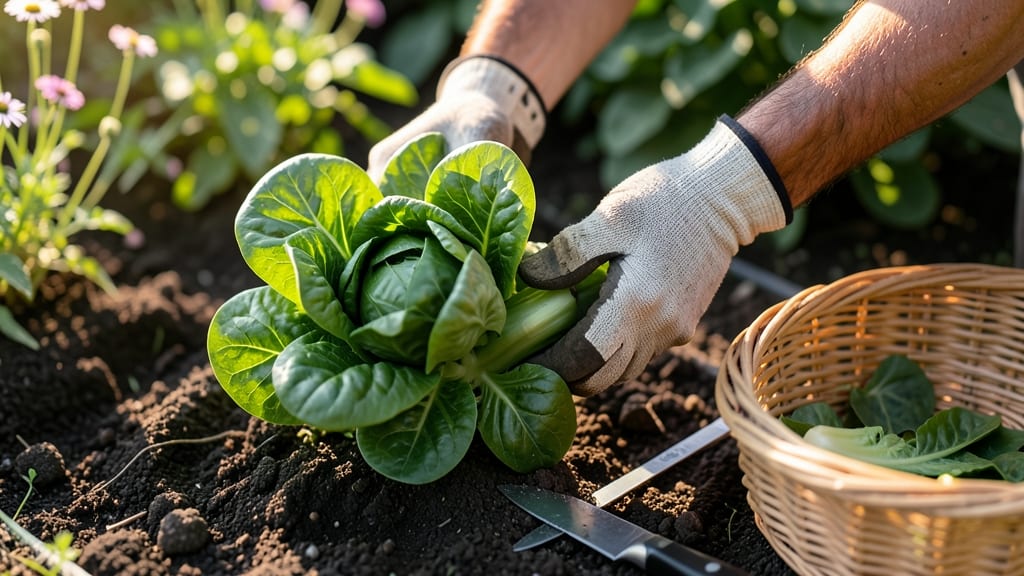
Garden lettuce is ready to pick when outer leaves reach 4–6 inches and snap crisply at the stem 🥬—this is the sweet spot for tender, flavorful harvests.
Harvesting lettuce at the perfect moment means the difference between a crisp, tender salad and a bitter, wilted mess—but how do you know when it’s truly ready?
Most varieties hit peak flavor in 45–60 days, but waiting too long turns leaves tough or triggers bolting. The key is checking leaf size, texture, and color before you cut.
Below, I’ll show you 3 simple tests to determine readiness, plus how to harvest without stressing your plants for future growth.


3 Leaf tests to determine when garden lettuce is ready to pick
Knowing exactly when to harvest your garden lettuce can feel like guessing—until you learn these three simple leaf tests. The difference between a crisp, tender salad and a bitter, woody mess often comes down to timing.
Whether you're growing loose-leaf varieties like Buttercrunch or head lettuce like Iceberg, these visual and tactile cues will help you pick at peak freshness.
Lettuce doesn't send obvious signals like tomatoes or peppers, so you'll need to check for leaf size, texture, and color to avoid over-maturity. For example, waiting too long can turn your prized greens into tough, bitter leaves that ruin salads.
Let’s break down the three key tests to determine the perfect harvest moment for your lettuce patch.
Check outer leaves for 4-6 inch length. Loose-leaf varieties like Romaine or Leaf Lettuce are ready when outer leaves reach this size. For head lettuce, wait until the head is firm and compact but not overly tight.
Gently squeeze a leaf—it should feel crisp and tender, not mushy or woody. If the stem snaps easily when bent, it’s ready. Over-mature lettuce feels fibrous and tough, a sure sign you’ve waited too long.
Vibrant, deep green, red, or purple leaves indicate peak ripeness. Avoid harvesting when leaves are pale or yellowing, as this signals stress or age. For red lettuce varieties, ensure the color is fully developed.
For loose-leaf lettuce, you can start harvesting as soon as the outer leaves reach 4-6 inches, allowing the plant to keep producing new growth. This method, called cut-and-come-again, gives you a continuous supply of fresh greens.
Simply snip the outer leaves just above the base, leaving the inner leaves to grow larger.
Head lettuce varieties, like Iceberg or Romaine, require a different approach. Wait until the entire head feels firm and compact. If you gently press the head and it holds its shape without feeling spongy, it’s ready.
Harvesting too early can result in a loose, underdeveloped head, while waiting too long leads to bitterness and bolting.
Seasonal timing also plays a role in lettuce readiness. In spring and fall, cooler temperatures help lettuce stay crisp and sweet. If you’re growing in summer heat, harvest earlier to avoid bolting.
Watch for flower stalks forming—a clear sign your lettuce is past its prime and has started to reproduce.
One common mistake is harvesting lettuce based on days after planting alone. While most varieties mature in 30-60 days, environmental factors like sunlight and temperature can delay or speed up growth. Always rely on the leaf tests rather than a calendar for the best results.
Pro tip: Harvest lettuce in the morning when leaves are at their crispest. Use a sharp knife or clean scissors to avoid damaging the plant. For loose-leaf varieties, leave at least 2-3 inches of growth to encourage regrowth.
For head lettuce, cut the entire head about 1 inch above the soil line.
If your lettuce starts to taste bitter or develop tough stems, it’s a sign you’ve waited too long. Bitter flavors develop as lettuce matures and begins to bolt.
To prevent this, provide consistent moisture and partial shade during hot days. Mulching around the base can also help maintain even soil temperatures.
By mastering these three leaf tests, you’ll always know when your garden lettuce is at its peak. Whether you’re growing for salads, sandwiches, or cooking, timing your harvest ensures maximum flavor and texture every time. Happy harvesting! 🥬
How to harvest lettuce without damaging future growth
Once your lettuce passes the leaf readiness tests, knowing how to harvest properly ensures both a great meal and continued plant productivity. The wrong technique can stress your plants, trigger bolting, or even kill them.
I’ve learned through trial and error that gentle handling and strategic cutting make all the difference in maximizing your garden’s yield.
For loose-leaf varieties like Buttercrunch or Oakleaf, you can start harvesting as soon as the outer leaves reach 4-6 inches long. These types regrow well if you leave the inner leaves intact.
With head lettuce like Iceberg or Romaine, wait until the entire head feels firm and compact before cutting. The key is to avoid over-maturity, which leads to bitter flavors and tough textures.
⚠️ callout-warning
⚠️ When Is Garden Lettuce Ready to Pick?
❌ Avoid these signs of over-maturity: Leaves turning bitter, stems becoming woody, or flower stalks emerging. ✅ Harvest when: Outer leaves reach 4-6 inches, stems snap easily, and color remains vibrant. 🌡️ Temperature warning: Daytime temps above 75°F accelerate bolting—harvest early in spring/fall seasons.
Start by harvesting the outer leaves first for loose-leaf types. Use clean, sharp pruning shears or your fingers to gently pinch off leaves at their base, leaving about 1 inch of stem attached. This encourages new growth while minimizing stress.
For head lettuce, cut the entire head 1 inch above the soil line with a sharp knife, being careful not to damage the inner leaves or roots.
Timing matters too—harvest in the morning after dew dries but before the sun peaks. This ensures leaves are crisp and hydrated. Avoid harvesting during hot afternoons or when soil is waterlogged, as both conditions stress plants and can lead to bolting or disease.
I’ve found that a consistent morning routine keeps my lettuce thriving for weeks.
After harvesting, give your plants a little fertilizer boost with a diluted fish emulsion or compost tea to replenish nutrients. Water deeply at the base to support recovery. For loose-leaf varieties, you’ll often get 3-4 harvests per season if cared for properly.
Head lettuce, however, typically produces just once, so timing your planting for spring and fall crops is key.
If your lettuce starts to bolt prematurely, it’s already past its prime for harvesting. Instead, focus on preventing future bolting by providing consistent moisture, partial shade during hot days, and avoiding nitrogen-heavy fertilizers. With these techniques, you’ll enjoy a steady supply of tender, crisp lettuce all season long.
Remember, the goal is sustainable harvesting. By following these steps, you’ll avoid damaging your plants while enjoying a continuous harvest of fresh, flavorful greens. Happy gardening!