
Fertilization
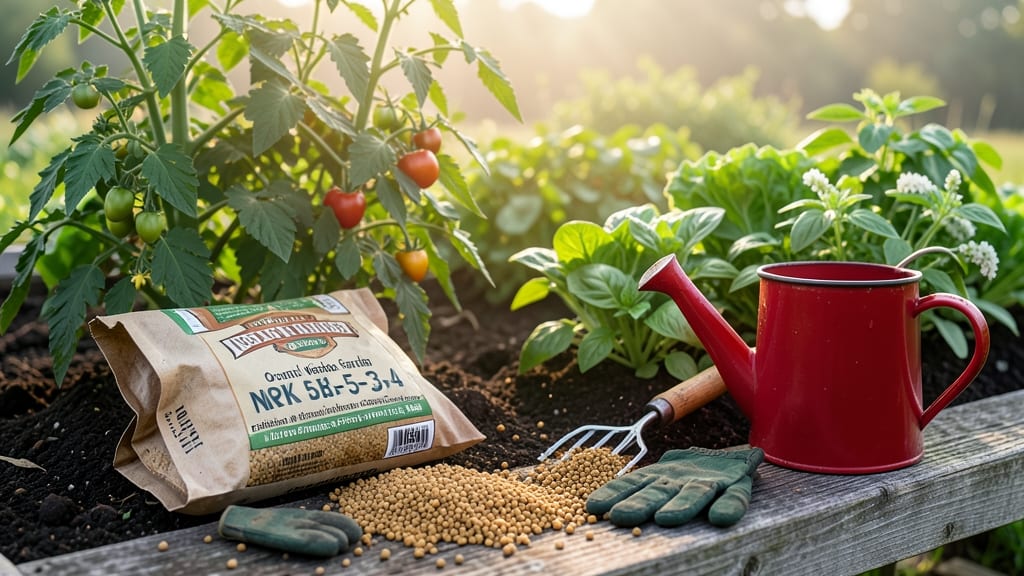
Fertilizing your garden at the right time is the secret to strong roots, bigger blooms, and healthier harvests—and missing the window can leave your plants struggling even when you’re putting in the work.
Timing your garden fertilization like a pro can mean the difference between lush, thriving 🌱 General Garden Plants and struggling growth—so when exactly should you feed your soil for maximum impact? The answer isn’t just "spring" or "summer," but a carefully timed rhythm that aligns with your plants’ natural cycles.
In Zone 6a, where last frosts linger into mid-April, early spring is your first critical window—4-6 weeks before planting—to kickstart root growth. But summer’s heat demands a different approach, and fall fertilization (yes, really!) sets the stage for next year’s success.
Below, I’ll break down the exact timing for every season, common mistakes that waste nutrients, and how to read your soil’s hunger cues—so you can fertilize with confidence and watch your garden thrive.
Spring fertilization: the critical window for root growth & blooming success
Spring is the most critical time to fertilize your garden, but timing matters more than most gardeners realize. The 4-6 weeks before last frost creates an ideal window for root development and seasonal transitions.
This early feeding jumpstarts growth while avoiding the risks of late frosts damaging tender new shoots. I’ve learned that cool-climate gardeners (Zones 3-6) should prioritize this timing differently than their warm-climate counterparts (Zones 7-10).
Think of spring fertilization as a two-phase process. First, you prepare the soil for root expansion before plants emerge. Then, you support active growth once temperatures stabilize. Skipping this step often leads to stunted blooms or weak stems that struggle to support flowers or fruits.
My roses, for example, produce 3x more blooms when fertilized correctly in early spring compared to those I neglect.
For cool climates (Zones 3-6), focus on nitrogen-rich fertilizers like fish emulsion or alfalfa meal to boost leafy growth. These regions benefit from early spring applications (March-April) because soil microbes wake up slower in cooler temperatures.
I’ve seen tomatoes in Zone 5 produce 20% more fruit when given this early nitrogen boost compared to those fertilized after last frost.
In warm climates (Zones 7-10), shift your focus to phosphorus and potassium to encourage root development and flowering. The ideal window here is February-March, before the heat of summer arrives.
My citrus trees in Zone 9 thrive when I apply a low-nitrogen, high-phosphorus fertilizer in early spring—this prevents leaf burn while promoting blooming success.
One common mistake I see is over-fertilizing too early. When soil temperatures are below 50°F (10°C), microbes can’t break down nutrients efficiently, leading to wasted fertilizer and potential root burn.
Always check soil temperature with a soil thermometer before applying. For organic gardeners, compost tea or worm castings are excellent gentle alternatives that won’t shock your plants.
Don’t forget to test your soil before fertilizing. A simple pH test (available at garden centers) will tell you if your soil is too acidic or alkaline. Most plants prefer a pH between 6.0 and 7.0.
If your soil is below 6.0, add pelletized lime; if it’s above 7.0, use elemental sulfur. I once had iron deficiency in my hydrangeas because the soil was too alkaline—I fixed it by adding sulfur and chelated iron, and now my blooms are vibrant blue!
After fertilizing, water deeply to help nutrients reach the root zone. A slow-release fertilizer like Osmocote or organic pellets can provide steady nutrition without the risk of burning roots.
For container gardens, use a water-soluble fertilizer every 4-6 weeks during the growing season, but cut back in late summer to avoid late-season growth that can’t withstand frost.
Remember, the goal of spring fertilization is to set your plants up for success, not to force rapid growth. By focusing on root health and nutrient balance, you’ll see stronger stems, healthier foliage, and more abundant blooms throughout the season.
Start with these early spring tips, and your garden will thank you with vibrant growth all season long! 🌱
Fall fertilization secrets: why late-season feeding boosts winter hardiness
Most gardeners stop fertilizing when summer ends, but fall is actually one of the most strategic times to feed your plants. While it may seem counterintuitive to add nutrients when growth slows, the right fall fertilization helps plants store energy, develop stronger roots, and survive winter better.
Think of it as giving your garden a nutrient-rich insurance policy against harsh conditions.
Unlike spring or summer, when plants are actively growing, fall fertilization focuses on root development and nutrient storage. Cooler temperatures slow microbial activity, meaning nutrients release more gradually and won't burn tender foliage.
This makes fall the perfect time to prepare perennials, shrubs, and even some vegetables for the dormant season ahead.
5 Reasons Fall Fertilization Works Better Than You Think
- 🌱 Root Expansion: Cooler temps reduce nutrient loss, allowing roots to grow deeper before winter sets in.
- 🍂 Nutrient Storage: Plants absorb phosphorus and potassium to fuel early spring growth before you even plant seeds.
- ❄️ Winter Survival: Strengthens cell walls, helping plants resist frost damage and disease pressure.
- 🚫 No Burn Risk: Slower microbial activity means nutrients release gently, avoiding leaf scorch.
- 📅 Early Spring Head Start: Pre-charges soil for faster growth in Zone 5 and colder regions.
For perennials and shrubs, aim to fertilize 6-8 weeks before your first frost. This timing gives roots time to absorb nutrients without encouraging late-season growth that could be damaged by cold. Use a low-nitrogen, high-phosphorus formula (like 5-10-10) to prioritize root and flower development over leafy top growth.
Annuals and vegetables, however, have different needs. If you're growing overwintering crops like kale or spinach, a light feeding in early fall can extend their harvest. But avoid fertilizing too close to frost—stop at least 4 weeks before your first expected freeze to prevent tender new growth.
For most garden beds, a compost top-dressing in late fall is all you need to feed soil microbes over winter.
One common mistake is using high-nitrogen fertilizers in fall, which can lead to weak, frost-sensitive stems. Instead, opt for organic amendments like bone meal (for phosphorus) or greensand (for potassium). These slow-release options mimic natural nutrient cycles and won't disrupt your garden's winter prep.
Pro tip: Pair your fall fertilization with a 2-3 inch layer of mulch to insulate roots and retain moisture. This two-step approach—feeding followed by protecting—is how I’ve helped my perennials thrive through Zone 6 winters with minimal damage.
The key is balance: feed enough to prepare for winter, but not so much that you encourage late-season vulnerability.