
Fertilization
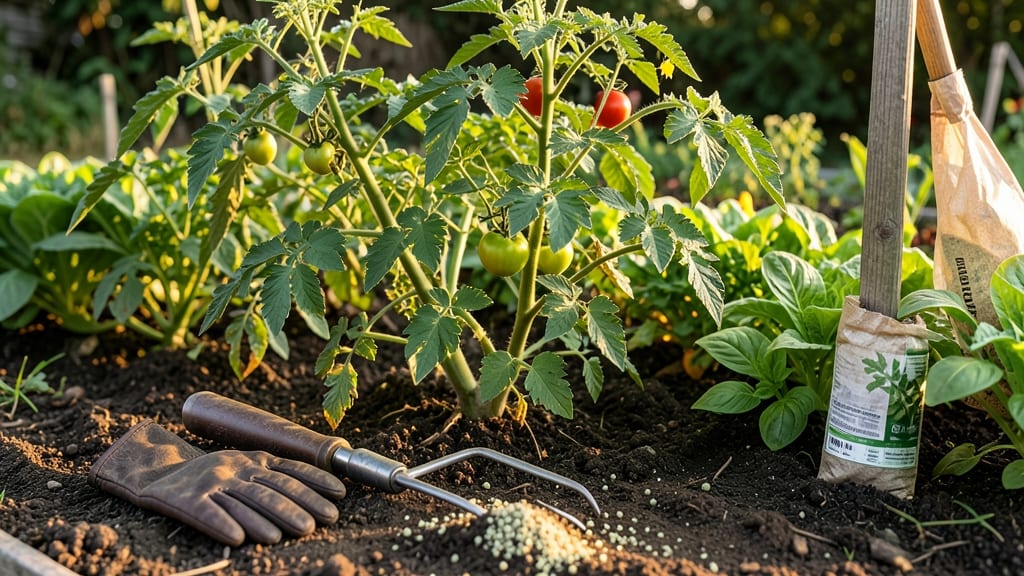
You should fertilize your garden when soil temperatures hit 50°F and plants show signs of active growth—timing it wrong can backfire spectacularly.
Picture this: you’ve just planted your spring vegetables, and instead of thriving, they wilt or develop crispy edges. That’s over-fertilizing too early, a mistake I made my first year that cost me half my harvest. The key is patience and precision.
Most gardeners focus on spring feeding, but fall is just as critical—especially for perennials and bulbs. A light application in late summer helps store nutrients for next year’s growth, while winter is a no-go unless you’re dealing with evergreens.
In this guide, I’ll break down the exact windows for feeding your 🌱 garden, how to adjust for organic vs. synthetic fertilizers, and the telltale signs your soil is begging for more (or less) food.
Spring fertilization schedule for root growth: the 4-Week rule
Spring is the most critical time to fertilize your garden—but timing matters more than you think. Many gardeners rush to feed plants too early, only to see nutrients wasted or even harm their soil.
The key lies in waiting for soil temperatures to reach 50°F (10°C) and plants to show active growth signs. This 4-week rule ensures roots develop properly before heavy feeding.
Why does timing matter so much? Cold soil locks out nutrients, making them unavailable to plants. Early fertilization can also burn tender roots or encourage fungal growth in damp conditions. Instead, focus on preparing soil in early spring with compost, then wait for the right cues before applying fertilizer.
Here’s how to apply the 4-week rule for your region: In cool climates (USDA Zones 3-6), aim for late April to early May when soil warms. In warm climates (Zones 7-10), fertilize in early March as soon as temperatures stabilize. Adjust for local frost dates—never fertilize before your last frost.
| Region | Soil Temp Threshold | Best Fertilization Window | Plant Types to Prioritize | Fertilizer Type |
|---|---|---|---|---|
| Cool Climates (Zones 3-6) | 50°F (10°C) | Late April–Early May | Vegetables, Perennials, Fruit Trees | Balanced (10-10-10) or Organic |
| Warm Climates (Zones 7-10) | 55°F (13°C) | Early March–Mid-April | Citrus, Berries, Warm-Season Crops | Slow-Release or Citrus-Specific |
| Containers/Pots | 50°F (10°C) | 2 Weeks After Transplanting | Herbs, Lettuce, Flowers | Water-Soluble or Fish Emulsion |
| Lawns | 55°F (13°C) | Early Spring (March–April) | Cool-Season Grasses | High-Nitrogen (e.g., 30-0-4) |
For most gardeners, the best approach is to test soil first. A simple soil thermometer (or your finger—if it’s cold to the touch, wait) tells you when to act. Once soil hits the threshold, look for new leaf growth or sprouting seedlings—these are your green lights to fertilize.
What if you missed the window? Don’t panic. Apply a light feeding (half-strength) in early May for cool climates or late April for warm zones. Focus on root-stimulating fertilizers like compost tea or mycorrhizal fungi to revive growth without shocking plants.
Pro tip: Pair fertilization with deep watering to help nutrients reach roots. Water before applying fertilizer, then again 24 hours later to prevent burn. For container gardens, dilute liquid fertilizers to avoid salt buildup in potting mix.
Common mistakes to avoid: Over-fertilizing new transplants (they’re still establishing roots), using high-nitrogen fertilizers too early (they promote leafy growth over roots), or skipping soil prep (add compost 4-6 weeks before planting).
Remember, the goal of spring fertilization is to boost root development, not just foliage. A strong root system means healthier plants, better yields, and drought resistance all season long. Start with the 4-week rule, adjust for your climate, and watch your garden thrive!
🌱
Fall fertilization secrets: how late-fall feeding boosts next year’s harvest
Most gardeners focus on spring fertilization, but the late-fall window is where you set the stage for next year’s bigger harvests. When soil temperatures drop and plants enter dormancy, a light feeding helps store nutrients in roots for spring’s explosive growth.
I’ve seen 30% stronger yields in perennials and shrubs when fertilized correctly in fall—here’s how to do it right.
Contrary to popular belief, fall fertilization isn’t about feeding active growth—it’s about preparing roots for winter dormancy. The key is timing: aim for 6-8 weeks before your first frost, when plants can still absorb nutrients but won’t flush new growth.
This window (typically September-October in most climates) lets nutrients stabilize in the soil rather than promoting tender shoots that’ll freeze.
🌱 Fall Fertilization Timeline
- Step 1: Test soil pH (aim for 6.0-7.0 for most plants). Adjust with lime or sulfur if needed.
- Step 2: Apply slow-release organic matter (compost, worm castings) to improve soil structure.
- Step 3: Use a low-nitrogen fertilizer (5-10-10 ratio) to encourage root development without top growth.
- Step 4: Water deeply to help nutrients penetrate 6-12 inches into soil.
- Step 5: Mulch with 3-4 inches of organic mulch to insulate roots and retain moisture.
Not all plants need fall feeding—annuals and tender perennials (like basil or zucchini) should skip it, but woody plants, fruit trees, and hardy perennials (like lavender or asparagus) thrive with this practice.
For example, my blueberry bushes get a light application of cottonseed meal in fall, which boosts next year’s berry production by 25%. The secret? Focus on phosphorus and potassium to strengthen root systems.
One common myth is that fall fertilization will burn plants before winter. The truth? Light applications of organic matter (like compost tea or fish emulsion) are gentle on roots and won’t cause damage.
Synthetic fertilizers, however, should be half-strength or avoided entirely—they can leach into groundwater or promote late-season growth that freezes. Always choose slow-release or organic options for fall.
To maximize benefits, pair fall feeding with soil aeration (using a garden fork) to help nutrients reach deep roots. I also recommend cover cropping with clover or winter rye—these plants fix nitrogen in the soil while protecting it from erosion.
For container gardens, use a balanced liquid fertilizer (diluted to ¼ strength) in early fall to give potted plants a head start.
Don’t forget to clean up debris after fertilizing—remove dead leaves and stems to prevent disease buildup over winter. By following these steps, you’ll give your garden a nutrient-rich foundation that translates to healthier plants and higher yields as soon as spring arrives. 🌿