
Shrubs
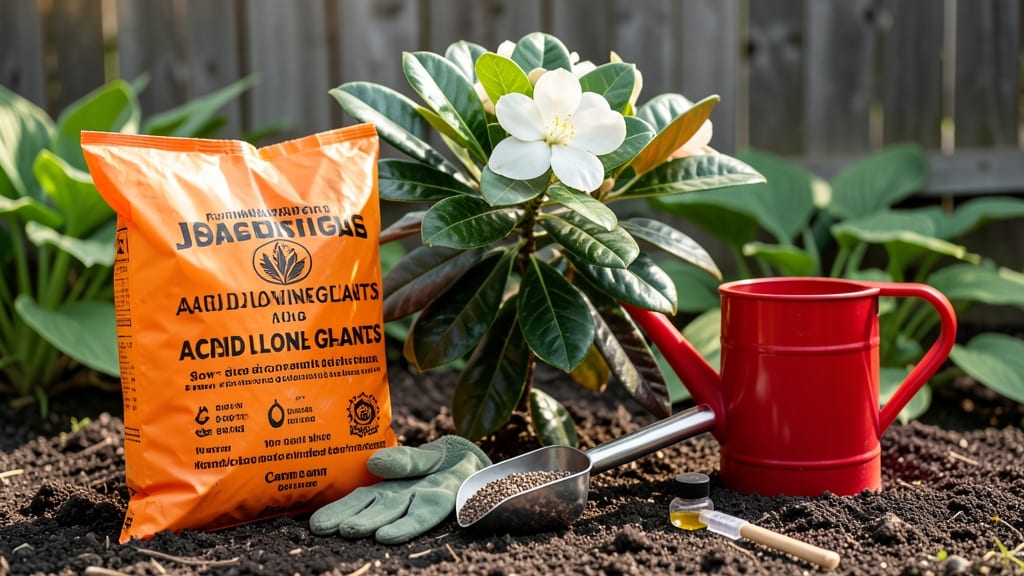
To fertilize gardenias for maximum blooms, time it right after new growth appears in spring—that’s when they’re hungry for nutrients to fuel those fragrant 🌸 flowers.
Picture this: You’ve waited all winter for your gardenia to wake up, and now you’re eager to feed it. But rush it, and you’ll burn the roots. Skip it, and you’ll end up with sparse, weak blooms—or worse, no flowers at all.
The secret? A seasonal schedule that matches your gardenia’s natural cycles, not your calendar.
Most gardeners overlook the fact that gardenias only need feeding during their active growing months—spring and early summer. That means no fertilizer in fall or winter, no matter how much you love those glossy leaves.
The key is light applications every 4–6 weeks, using the right acidic fertilizer to keep the pH in check.
In this guide, I’ll break down the exact timing by season, how to spot when your plant is truly hungry (hint: it’s not just about yellow leaves), and the one fertilizer mistake that kills more gardenias than under-watering. Let’s get those blooms popping!
Seasonal fertilizing schedule for gardenias: bloom-enhancing timing
Timing your gardenia fertilizing is everything—these fragrant shrubs thrive when fed at the right moments, not just randomly. Over-fertilizing in summer can scorch leaves, while skipping spring feeding stunts blooms.
The key? A seasonal approach tailored to your USDA zone (7-10) and your plant’s natural growth cycle. Let’s break it down by month so you never miss a feeding window again.
Gardenias are heavy feeders but hate excessive salts from over-fertilizing. In cooler zones (USDA 7), start fertilizing 2 weeks later than warmer areas (USDA 10). Always use an acid-loving plant fertilizer (pH 5.5–6.5) to mimic their natural tropical soil conditions.
For container gardenias, halve the fertilizer dose—they dry out faster and are more sensitive to salt buildup.
⚠️ CRITICAL TIP: Never fertilize gardenias when they’re stressed (wilting, newly transplanted, or after pruning). Wait at least 4–6 weeks post-stress before feeding.
In spring (March–May), gardenias wake up hungry after winter dormancy. This is your peak feeding window—apply a balanced acid fertilizer every 4 weeks starting when you see new leaf growth.
For example, if your gardenia sprouts fresh leaves in late April, feed it then, then again in late May. Use a slow-release granular fertilizer for steady nutrients without salt buildup.
Summer fertilizing requires caution. From June to August, reduce feedings to every 6 weeks or switch to a liquid organic fertilizer like fish emulsion (diluted to half-strength).
Gardenias in USDA zones 9–10 may need a light feeding in August to support late blooms, but those in zone 7 should skip August entirely. Always water deeply after fertilizing to prevent root burn.
Fall and winter are no-feed zones for gardenias. By September, your plant is preparing for dormancy, and fertilizing can lead to weak, disease-prone growth. Instead, focus on pruning dead blooms and adding a 2-inch layer of mulch to protect roots.
In winter, gardenias in zones 8–10 may need light watering, but fertil
Signs your gardenia needs fertilizer (and when to stop)
Your gardenia might be silently begging for nutrients if you notice yellowing leaves between the veins or stunted new growth. These are classic signs your plant isn’t getting enough essential nutrients like nitrogen, phosphorus, or potassium.
Gardenias thrive when their soil is rich in acid-loving fertilizer, but they’ll show frustration if neglected—think fewer blooms or weak stems that can’t support those fragrant flowers.
Don’t panic if you spot these clues—it’s often an easy fix. The key is acting before the problem worsens. For example, pale green leaves signal nitrogen deficiency, while dark green leaves with no flowers mean your gardenia needs phosphorus to bloom.
But here’s the catch: over-fertilizing can be just as harmful as under-fertilizing, leading to burnt roots or leaf scorch. Let’s decode your gardenia’s signals so you can fertilize at the perfect moment.
🚨 When to Fertilize Gardenias: Critical Timing
Fertilize gardenias only during their active growing season: spring (April–May) and early summer (June). Avoid fertilizing in fall or winter—this is their dormant phase, and feeding can stress the plant. For container gardenias, fertilize every 4–6 weeks; for in-ground plants, every 6–8 weeks.
Stop fertilizing immediately if you see: brown leaf tips, wilting despite water, or white crust on soil (salt buildup). Flush the soil with water to remove excess salts.
One of the first visual cues your gardenia needs fertilizer is sparse or absent blooms. If your plant is loaded with lush green leaves but no flowers, it’s likely starving for phosphorus, the nutrient responsible for blooming.
Another red flag is root-bound conditions—if roots circle the pot or poke out of drainage holes, your gardenia is crowded and nutrient-deprived. Repot in acidic, well-draining soil and fertilize lightly to encourage new root and flower growth.
Over-fertilizing is a common mistake that can kill your gardenia faster than underwatering. Symptoms include crispy brown leaf edges, yellowing between veins, and stunted growth. If you’ve recently fertilized and notice these signs, flush the soil with water to dilute excess salts.
For severe cases, trim affected leaves and reduce future feedings to half the recommended dose.
To troubleshoot, grab a soil pH test kit—gardenias prefer acidic soil (pH 5.0–6.0). If your soil is too alkaline, nutrients become unavailable, even if you’re fertilizing. Amend the soil with sulfur or peat moss and re-test before fertilizing again.
Pair this with a balanced acid-loving fertilizer (like 10-10-10 with iron) applied in early spring when new growth appears.
Remember, less is often more with gardenias. A little fertilizer goes a long way—especially during hot summer months, when plants are more sensitive to salt buildup. If your gardenia is healthy but not blooming, try a phosphorus-rich fertilizer (like 5-10-5) in late spring to trigger flowering.
And always water deeply after fertilizing to help nutrients reach the roots.
Keep an eye on your gardenia’s growth patterns—healthy plants grow 6–12 inches per year and produce dozens of blooms per season. If yours is lagging, it’s time to adjust your fertilizer routine.
With the right care, your gardenia will reward you with fragrant, creamy-white blooms all summer long. 🌸