
Picking
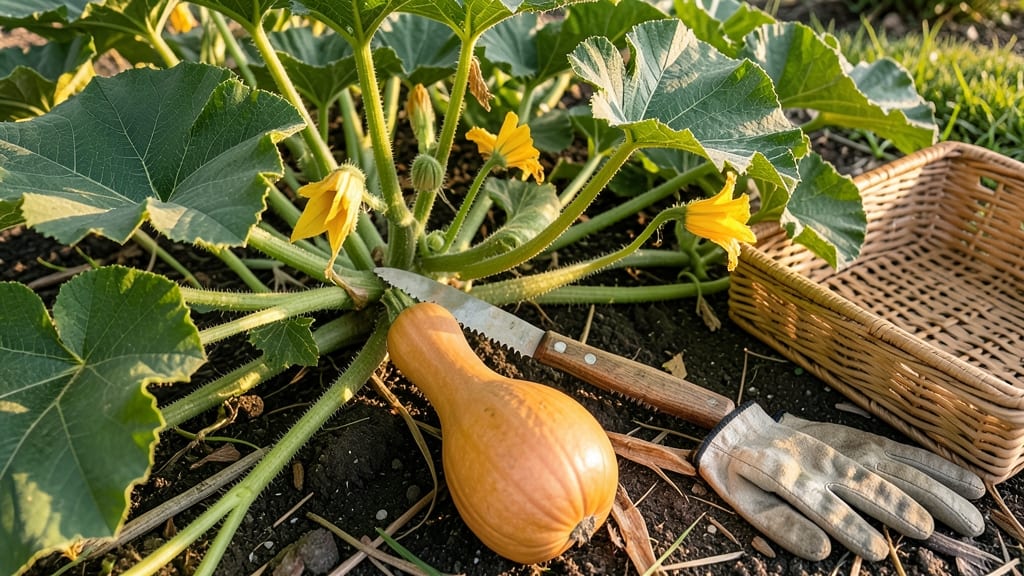
Harvesting butternut squash 🎃 from your garden at the right time means the difference between sweet, tender flesh and tough, bland disappointment.
Picture this: you’ve waited 80–100 days, the vines are yellowing, and the squash looks ready—but how do you know for sure? Miss the window, and you’re left with a rock-hard rind or a meal that tastes more like cardboard than pumpkin pie.
Here’s the good news: with just three simple skin tests, you can pinpoint the exact moment when your butternut squash is at its peak. No guesswork, no wasted effort—just perfect timing for a harvest that tastes like summer.
Below, I’ll walk you through the visual cues (hardness, color, stem changes) and environmental factors (like frost risk) that ensure you pull these beauties from the garden when they’re sweetest and most flavorful.
3 Hard skin tests to determine perfect butternut squash harvest time
Butternut squash reaches its peak sweetness and ideal texture when harvested at the right moment—but timing is everything. Most varieties take 80-100 days from planting to harvest, but relying on days alone misses critical visual cues.
The secret lies in the skin's hardness, color transformation, and stem condition. These three simple tests, backed by plant physiology, ensure you harvest only when flavor and texture are at their best.
First, understand why skin matters: a mature butternut squash develops a thick, tough rind as a natural defense against rot and pests. This same toughness protects its sweet, creamy flesh from overripening.
But if you wait too long, the skin becomes woody and bitter, while harvesting too early means watery, bland fruit that won't store well. The good news? These tests take less than 30 seconds each and require no special tools.
- 🔍 Fingernail Test: Press your fingernail into the squash skin. If it doesn't puncture easily and leaves no dent, the rind is ready. Early squash will show visible marks or give slightly.
- 🎨 Color Check: Look for a deep, consistent orange (not pale yellow). The stem end should be dull, not shiny. Uneven coloring often means uneven ripening.
- 🌿 Stem Shrivel Test: Gently grasp the stem near the fruit. If it feels dry and shriveled (like a paper-thin tube), the squash is ready. A plump, green stem means more time needed.
Let's break down the fingernail test further, as this is the most reliable indicator. The squash's skin contains cellulose fibers that thicken as it matures. When fully ripe, these fibers create a resistant barrier—so resistant that even your fingernail can't break through.
For reference, aim for a skin that feels like the back of a ripe avocado (hard but not rock-solid). If you're unsure, test multiple squash from the same vine, as ripening can vary slightly.
The color transformation is your second clue, but here's the catch: butternut squash doesn't turn orange all at once. The stem end (where the fruit attaches) changes first, often 2-3 days before the rest of the squash.
This is because the stem end bears the most sun exposure and stress signals. If you see green streaks lingering, the squash needs more time—these are unripe areas that will never fully orange.
Don't overlook the stem condition, which many gardeners miss. A mature butternut squash's stem will shrink and dry out, almost like it's pulling away from the fruit. This happens because the plant is redirecting nutrients to the squash itself.
If the stem stays green and plump, the squash isn't ready—it's still growing. Pro tip: Use a sharp knife to cut the stem (don't twist), leaving a 1-inch stem attachment on the squash. This prevents rot during storage.
Timing matters beyond just the tests. In hot climates (USDA zones 8-10), butternut squash may ripen 2-3 weeks earlier due to accelerated growth. Conversely, in cooler zones (6-7), expect a longer maturation period.
Watch for the first frost warning in your area—most butternut varieties won't tolerate frost, so harvest at least 10 days before the expected frost date, even if tests aren't perfect. A slightly underripe squash stored properly will after-ripen and improve in flavor.
What if your squash passes all tests but the vines are still green? This happens in long-season varieties like 'Winter Luxury' (100+ days). In this case, harvest when the skin tests pass and cure the squash (see next section).
The vines may stay green for weeks after the fruit is ready. Conversely, if the vines yellow and die back but the squash skin is soft, you've missed the window—these squash will degrade quickly and won't store well.
For container gardeners, these tests are even more critical because space limitations can delay ripening. Potted butternut squash often need extra time (up to 110 days) due to root restriction.
If growing in a 5-gallon pot, prioritize the fingernail test over color, as potted plants may develop uneven pigmentation from limited sunlight access. Always place containers in full sun (6+ hours daily) to avoid stunted growth.
Remember: the earlier you harvest, the longer your squash will store. A perfectly ripe butternut squash can last 2-3 months in a cool, dark place (50-55°F).
But if you harvest too early, storage life drops to just 2-4 weeks, and the flavor will be mild and watery. Balance these tests with your local frost date—when in doubt, harvest slightly early and cure the squash to develop its full sweetness.
Next time you're eyeing your butternut squash patch, grab a fingernail and a flashlight (for evening checks). These three tests will become second nature, ensuring you always harvest at the sweetest, most flavorful moment.
And when you slice into that perfect squash—creamy, dense, and sweet—you'll know you've mastered the art of timing.
Butternut squash harvest timing by growth stage: color, size, and vine signals
Knowing exactly when to harvest butternut squash from your garden means looking for three key visual cues: rind color, fruit size, and vine condition. These signals tell you when the squash has reached peak sweetness and storage readiness.
Miss these signs, and you might end up with tough skin or bland flavor—so let’s break down what to watch for at each growth stage.
The ideal harvest window for butternut squash falls between 80 and 100 days after planting, but timing can shift slightly based on your climate. In warmer regions, you might harvest as early as late summer, while cooler areas may need to wait until early fall.
Always prioritize rind hardness over calendar dates, as this is the most reliable indicator of readiness.
A deep tan-orange rind is your best friend when harvesting butternut squash. Unlike pumpkins, butternut squash should never be glossy—this indicates they’re still maturing. Instead, look for a dull, matte finish that signals the skin has fully hardened.
Pair this with a firm press test: press your fingernail into the rind. If it doesn’t dent, the squash is ready.
Size matters too! Aim for squash that measure 18 to 24 inches long and weigh between 4 and 8 pounds. Smaller squash may still be underripe, while oversized ones often have tougher skin and less sweet flesh.
Weighing the fruit can also help—ripe butternut squash feel heavy for their size due to dense flesh.
Don’t ignore the vine signals either. As the squash matures, the vines will naturally yellow and die back, especially in cooler weather. This is nature’s way of telling you it’s time to harvest.
If frost is on the horizon, prioritize picking even if the squash isn’t perfectly ripe—frost-damaged squash won’t store well and may spoil quickly.
Weather plays a surprising role in harvest timing. In hot, dry climates, squash may ripen faster and need harvesting earlier. Conversely, cool, wet seasons can slow ripening, so monitor your plants closely.
If you’re unsure, run the nail test and check the rind color—these two cues together will never steer you wrong.