
Picking
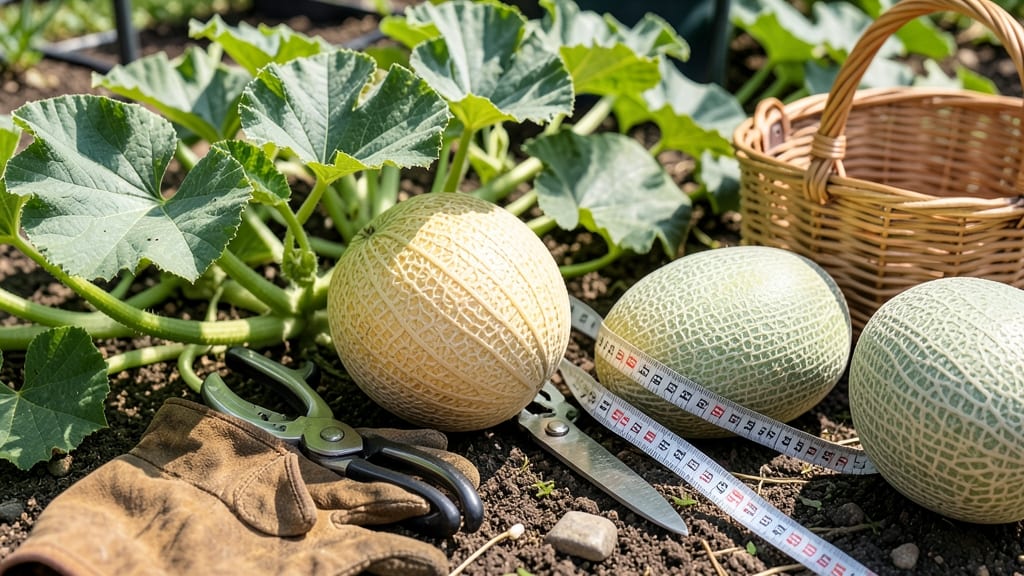
Harvesting cantaloupe from your garden at the right time means the difference between a sweet, fragrant explosion and a bland, seedy disappointment.
Picture this: you’ve nurtured your 🍈 plants all summer, only to pick a fruit that’s either rock-hard or mushy. The key to juicy perfection lies in mastering those 3 non-negotiable ripeness tests—color, scent, and stem separation—that reveal when nature’s timing aligns with yours.
Most gardeners wait until late July or August, but environmental factors like temperature and daylight can shift that window. A cantaloupe left too long on the vine risks overripeness, while harvesting too soon means missing out on peak flavor and aroma.
Below, I’ll walk you through the science-backed methods to spot ripe cantaloupe, how to test it without cutting it open, and the common mistakes that sabotage even the most patient gardeners.


3 Non-negotiable ripeness tests for cantaloupe harvesting
There's nothing worse than biting into a cantaloupe that's either hard and bland or overripe and mushy. The secret to that perfect sweet, juicy reward lies in knowing exactly when to harvest.
Science shows that cantaloupe ripeness is determined by three key factors: rind color, stem separation, and aroma intensity. Each of these signals plays a crucial role in delivering that ideal flavor and texture you've been waiting for.
I've learned through years of gardening that ignoring even one of these ripeness indicators can lead to disappointment. For example, a cantaloupe might look ripe with a golden net pattern but still taste bland if harvested too early.
The key is combining all three tests to ensure you're picking at peak perfection. Let's break down each method and why they matter so much for that perfect harvest.
Rind Color Change
Look for cream or tan near the stem end. The net pattern should be pronounced and golden. A fully green stem end means it's not ready.
Stem Separation Test
Gently twist the fruit at the stem. If it slips easily with slight resistance, it's perfect. No movement means it's too early; too much movement means overripe.
Sweet Aroma Test
Sniff near the stem end. A strong, sweet musky scent means ripe. No scent means unripe; fermented smell means overripe.
The rind color change is your first visual cue that the cantaloupe is nearing ripeness. When the area near the stem transitions from white to cream or tan, it's a clear sign that the sugars inside are developing.
This color change happens because the chlorophyll breaks down as the fruit matures. I always check this first because it's the most obvious sign, especially when scanning multiple fruits on the vine at once.
However, color alone isn't enough. That's where the stem separation test comes in. This method is based on the natural process where the fruit's abscission layer forms at the stem attachment point.
When you gently twist the fruit and feel it slip slightly from the vine, that's your signal to harvest. This separation happens because the plant is signaling the fruit to detach as it reaches peak ripeness.
Don't overlook the aroma test, which is often the most reliable indicator. Cantaloupe produces volatile organic compounds as it ripens, creating that signature sweet, musky scent. When you sniff near the stem end and detect this aroma, you're smelling the same compounds that make the flesh so delicious.
I've found that this test works even when the other two signs are borderline - if it smells ripe, it probably is.
What happens if you harvest too early? You'll end up with a hard, bland cantaloupe that lacks sweetness. The sugars and aromatic compounds haven't fully developed yet. On the flip side, harvesting too late can result in a soft, seedy fruit that's past its prime.
The texture becomes mushy, and the flavor can turn bitter. Both scenarios are avoidable with these three simple tests.
For home gardeners, I recommend checking your cantaloupes every 2-3 days during the final week of their expected maturity. Most varieties reach harvest readiness between 75-90 days after planting, but environmental factors can affect this timeline.
Keep a harvest journal to track when your specific variety typically ripens in your climate zone.
One common mistake I see is relying solely on the net pattern on the rind. While a pronounced net is a good sign, it doesn't guarantee ripeness on its own.
Always combine all three tests for the most accurate results. Remember, cantaloupes won't ripen further after picking, so timing is everything for that perfect harvest.
Pro tip: Harvest in the morning hours when temperatures are cooler. This helps preserve the fruit's quality during transport and storage. After harvesting, let your cantaloupes ripen at room temperature for 1-2 days if they're not quite perfect. This final ripening period can enhance their sweetness and aroma.
Mastering these three ripeness tests will transform your cantaloupe harvest from hit-or-miss to consistently delicious. The next time you're standing in your garden with a basket in hand, you'll know exactly when to pick that perfect, sweet, juicy cantaloupe every single time. 🍈
How to check cantaloupe ripeness without cutting it open
Nothing beats the thrill of harvesting your own cantaloupe—except maybe the disappointment of biting into one that’s still hard or overly mushy. The good news? You can check ripeness without cutting by mastering three simple field tests.
These methods save time and ensure you pick fruit at its peak sweetness, every time.
First, focus on the stem end. A ripe cantaloupe’s stem will naturally separate easily from the vine when you gently twist it. If it resists, the fruit needs more time.
This is your first clue that harvest time is near. Pair this with the color change near the blossom end, where the rind shifts from white to cream or light yellow.
⚠️ callout warning
Harvesting cantaloupe too early or too late drastically affects flavor and texture. Never wait until the vine fully detaches—this often means the fruit is overripe. Instead, use the 3-day window when:
- Stem slips with gentle twisting (not forced)
- Rind color near stem turns cream/yellow
- Sweet aroma fills the air when sniffed near the blossom end
Miss this window, and you risk fermented, seedy fruit—or worse, frost damage if harvesting late in the season.
The thumb pressure test is another foolproof trick. Press your thumb gently near the blossom end. A ripe cantaloupe will yield slightly—like pressing a ripe peach—while still feeling firm.
If it feels rock-hard or squishy, it’s not ready. This test works best when combined with the other two methods for accuracy.
Don’t overlook the scent test. A perfectly ripe cantaloupe emits a sweet, musky aroma near the stem end. If you’re sniffing from across the garden and catching that fragrance, you’re in luck!
Skip this step, and you might end up with bland or overly fermented fruit. Pro tip: Sniff early in the morning when scents are strongest.
For heirloom varieties or cantaloupes with thick rinds, combine all three tests. Some types may not show color changes as clearly, so rely more on the stem separation and scent.
Remember, cantaloupes won’t ripen further after picking, so timing is everything. Once you master these techniques, you’ll never second-guess harvest day again.
🌱 With practice, these methods become second nature—ensuring your cantaloupe harvest is always a sweet, juicy success every season.