
Picking
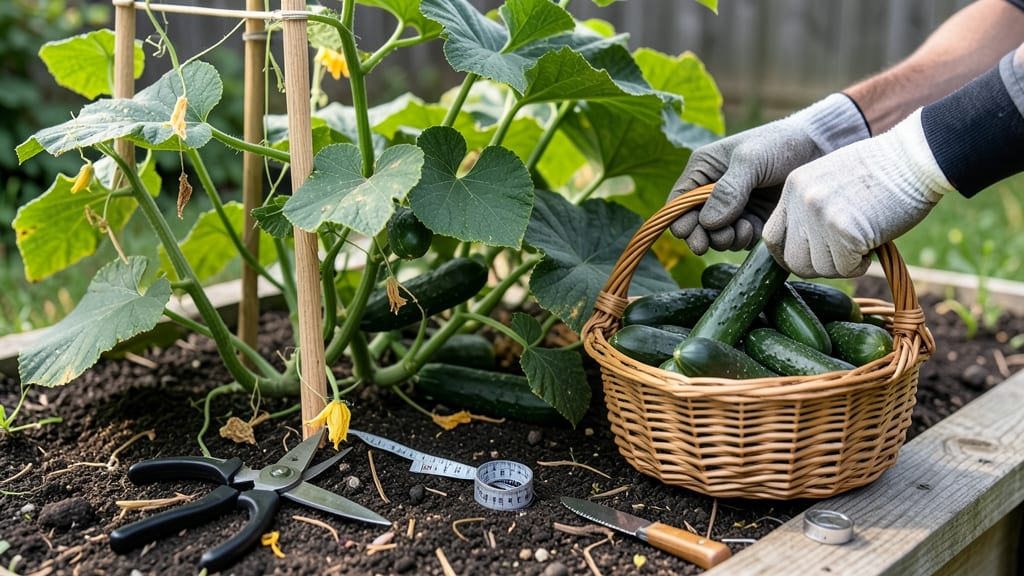
Harvest cucumbers from your garden when they reach 6-12 inches in length, with bright green skin and a yellowish-green stem end—this is the sweet spot for crisp, seedless picks 🥒.
Picking too early means bitter, seedy disappointments, but leaving them on the vine too long ruins their texture. I’ve seen gardeners miss this window and end up with cucumbers that are either too tough or too mushy—neither is ideal for slicing or pickling.
Below, I’ll share three exact size tricks to nail the perfect harvest, plus how to check ripeness beyond just length. You’ll also learn the best time of day to pick and how often to harvest for a steady supply all season.
Whether you’re growing slicing, pickling, or heirloom varieties, these tips will help you avoid common mistakes and keep your cucumbers at peak flavor and crunch.


3 Exact cucumber sizes for harvesting perfect crisp, seedless picks
Harvesting cucumbers at the right size is the secret to crisp, seedless perfection. Most gardeners make the mistake of waiting too long or picking too early—both ruin the flavor and texture. The key lies in understanding variety-specific sizes and visual cues that tell you when to grab your pruners.
Whether you're growing slicing cucumbers, pickling varieties, or heirloom types, these exact measurements will transform your harvest.
For slicing cucumbers, aim for 6-8 inches in length when the skin is firm and bright green. This size ensures tender flesh without bitterness. If you wait too long, the cucumbers become oversized, seedy, and develop that unpleasant cucumber-like (not crisp) texture.
I learned this the hard way when my first garden produced foot-long monsters that were tough and watery—definitely not ideal for salads!
Pickling cucumbers, like Bush Pickle or Northern Pickling varieties, should be harvested when they're 2-4 inches long. These tiny cucumbers pack the perfect crunch and flavor for pickles. The stem end should turn yellowish-green, signaling they're ready.
Ignoring this cue means your pickles will be oversized, pale, and less flavorful—trust me, your future self will thank you for paying attention.
Heirloom varieties often have unique size requirements. For example, Lemon Cucumbers should be picked at 3-4 inches when they're bright yellow and firm. Meanwhile, Armenian Cucumbers (which are actually a type of melon) can grow up to 12 inches before harvesting.
The rule of thumb? Always check the seed packet or variety description for specific guidelines—it’s your roadmap to success!
One of the biggest mistakes I see in gardens is harvesting cucumbers based on color alone. A bright green cucumber isn’t always ready—it could still be underripe and bitter. Instead, combine size with texture and stem color.
Run your thumb over the cucumber: it should feel firm but slightly yielding, like a ripe avocado. If it’s rock-hard, it’s too early; if it’s soft or spongy, it’s past its prime.
Don’t forget to check the stem end! A yellowish-green stem end means the cucumber is ready to pick. If it’s still bright green, leave it on the vine for another day or two.
This simple trick saved my Armenian cucumbers from becoming too large and seedy last season. I went from frustrated to delighted when I finally got the timing right!
For continuous harvests, pick cucumbers every 2-3 days during peak production. This encourages the plant to produce more fruit and prevents overgrowth. I’ve found that morning harvests are ideal because the cucumbers are cool and crisp, making them perfect for eating straight from the garden.
Plus, you avoid the afternoon heat that can make them wilt or develop a tough skin.
If you’re growing cucumbers in containers or small spaces, opt for bush varieties like Bush Champion or Spacemaster. These compact plants produce cucumbers at the same size guidelines but in a fraction of the space.
Last year, I grew Bush Pickles in a 5-gallon bucket on my balcony, and they were ready to harvest in just 50 days—proof that size doesn’t limit success!
Pro tip: Use a small ruler or measuring tape when harvesting to ensure consistency. I keep one clipped to my gardening apron for quick checks. Over time, you’ll develop an eye for size, but it’s always good to double-check, especially when you’re just starting out.
The goal is to harvest at peak ripeness every time—no more, no less.
Remember, the earlier you start harvesting, the more cucumbers your plant will produce. I’ve seen gardens where cucumbers were left on the vine until they turned yellow and mushy—wasteful and disappointing.
By picking at the right size, you’ll enjoy a longer harvest season and avoid the heartbreak of bitter, overgrown cuc
How to check cucumber ripeness beyond size: 5 pro tips
Size isn't the only clue for harvesting cucumbers at peak ripeness. Many gardeners miss the subtle signs that transform a good cucumber into a great one. I’ve learned that checking stem color, skin texture, and even seed development can make all the difference in flavor and texture.
These five pro tips will help you avoid the pitfalls of harvesting too early or too late.
First, let’s address the most common mistake: relying solely on size. While 6-12 inches is a general guideline, the real magic happens when you combine size with other visual and tactile cues.
For example, a yellowing stem end is a foolproof sign that your cucumber is ready—don’t ignore this detail! It’s often overlooked but critical for perfect timing.
5 Pro Tips for Checking Cucumber Ripeness
- 1. Stem Color: Look for a yellowish-green stem end. If it’s still bright green, the cucumber needs more time. This color shift signals the perfect balance of sugars and crispness.
- 2. Skin Texture: Gently press the cucumber’s skin. It should feel firm but slightly yielding, like a ripe avocado. If it’s rock-hard or overly soft, it’s not ready.
- 3. Seed Development: Slice open a cucumber to check the seeds. They should be small and soft. Large, hard seeds mean the cucumber has overripened and will taste bitter.
- 4. Color Consistency: The cucumber should have a deep, even color (green, yellow, or striped, depending on the variety). Uneven or pale spots indicate underripeness.
- 5. Weight and Shape: A ripe cucumber feels heavy for its size and has a smooth, uniform shape. Lighter cucumbers or those with bumps are still developing.
💡 Pro Tip: Use these cues together for the most accurate results. For example, a cucumber with a yellow stem end but rock-hard skin may need a day or two more.
Overlooking these signs can lead to two common problems: bitter cucumbers from leaving them too long on the vine or watery texture from harvesting too early. I once left a batch of cucumbers on the vine for a week past their prime, and the bitterness was nearly inedible.
Now, I double-check all five cues before harvesting.
For heirloom varieties, pay extra attention to color changes, as they often ripen differently than standard slicing cucumbers. For example, some heirlooms develop yellow or white stripes when fully ripe. Always refer to your seed packet for variety-specific tips, as these can vary widely.
Finally, don’t forget to harvest in the morning when cucumbers are cool and crisp. This is when their texture and flavor are at their best. By combining these pro tips with the right timing, you’ll consistently harvest cucumbers that are crisp, sweet, and seedless—every time.