
Picking
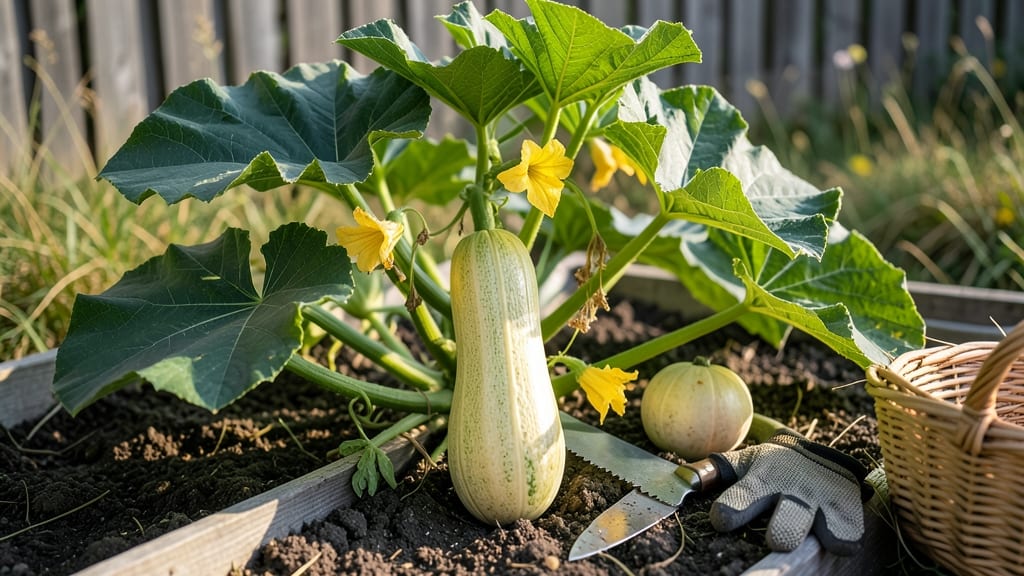
Harvesting spaghetti squash from the garden at the right time means the difference between tender, sweet strands and a tough, flavorless mess — and the key is knowing when to pull it from the vine.
Picture this: you’ve waited months for your 🎃 to mature, only to cut into it and find the flesh still pale and stringy. Or worse, you harvest too late and end up with a squash so dry it crumbles like autumn leaves.
The good news? Spotting the perfect moment is easier than you think.
Here’s what to watch for: the skin should turn from bright green to a dull, yellowish hue, the stem near the fruit should dry out and brown, and the squash itself should feel heavy for its size.
These visual cues — paired with the right timing — ensure you get that restaurant-quality texture at home.
Below, I’ll walk you through three foolproof methods to test readiness, plus how to store your harvest so it stays fresh and delicious for weeks. No more guesswork, just perfect spaghetti squash every time.
3 Visual signs your spaghetti squash is ready for harvest
Harvesting spaghetti squash at the perfect moment transforms your garden bounty into a tender, flavorful masterpiece. Unlike other squash varieties, timing is everything—wait too long, and you risk a woody texture and bitter taste. But how do you know when that yellow orb is ready to pick?
The answer lies in three visual cues that reveal peak ripeness, ensuring your squash delivers that signature al dente texture we all love.
First, let’s address the biggest mistake gardeners make: harvesting based on days after planting. While spaghetti squash typically matures between 85-110 days, environmental factors like temperature swings or water stress can delay ripening.
Instead of guessing, focus on these physical indicators that guarantee a harvest worthy of your dinner table. These signs work regardless of your growing zone, from USDA Zone 6a to warmer climates.
Here’s the game-changer: your spaghetti squash won’t tell you when it’s ready—you have to read its signals. The skin color, stem condition, and rind firmness all conspire to give you the perfect harvest window.
Miss these cues, and you might end up with squash that’s either underripe and seedy or overripe and stringy. Let’s break down the three unmistakable signs that your spaghetti squash is begging to be harvested.
- 1 Dull Yellow Skin: The rind color shifts from bright green to a matte yellow or peach hue. Avoid harvesting if the skin remains vibrant green—this means it’s not ready. Pro tip: Rub your thumb over the skin; if it feels smooth and hard, it’s ripe.
- 2 Brown, Dry Stem: Check the stem near the fruit. When ripe, it turns dry and brown, almost like parchment paper. If the stem is still green and moist, your squash needs more time. A dry stem also signals the plant is redirecting energy to seed production—your cue to harvest.
- 3 Heavy for Its Size: A ripe spaghetti squash feels surprisingly heavy compared to its size. Lift it gently—if it’s dense and solid, it’s ready. Underripe squash feels light and hollow when picked up. This weight is your best indicator of full maturation and sweet flavor.
Paying attention to these three visual cues ensures you harvest at the peak of ripeness, when the squash’s starches convert to sugars and the fibers soften into that prized "spaghetti" texture.
For example, I once harvested a squash based solely on days-to-maturity, only to find it tough and seedy inside. The lesson? Trust the plant’s signals, not the calendar.
Timing your harvest also depends on your local climate. In cooler regions like Zone 6a, aim to harvest before the first frost—typically by mid-October. In warmer zones, you might have until November.
If frost threatens before your squash shows these signs, harvest anyway and cure it indoors for a few days to improve flavor. Just be prepared for slightly firmer texture if caught early.
One common misconception is that larger squash are always riper. Not true! Size alone isn’t a reliable indicator. I’ve seen small but perfectly ripe spaghetti squash and oversized but underripe ones.
Always combine size with the three visual cues above. For instance, a squash might be 8 inches wide but still green and soft—not ready yet.
Here’s a pro move: Harvest in the morning when temperatures are cooler. This reduces stress on the plant and helps the squash retain moisture longer. Use a sharp pruning shear or knife to cut the stem, leaving a 1-inch stem attachment.
This prevents rot and makes storage easier. After harvesting, let your squash cure in the sun for 3-5 days to harden the skin further—this boosts shelf life and sweetness.
Finally, don’t ignore the vines. When the vine leaves turn yellow and start dying back, it’s a clear sign the plant is focusing its energy on the fruit. This is your final green light to check the other two cues.
I’ve found that vines often yellow 1-2 weeks before the squash reaches peak ripeness, so use this as a heads-up to monitor closely.
Mastering these three visual signs will turn you into a spaghetti squash harvest expert. Next time you’re eyeing that yellow orb in your garden, take a moment to check its skin, stem, and weight.
When all three cues align, you’re just minutes away from a homegrown gourmet meal. Happy harvesting! 🎃
How to test spaghetti squash ripeness: the 3-Method guide
When your spaghetti squash reaches the perfect ripeness, it transforms from a hard green orb into a tender, flavorful treasure. But how do you know it's ready? I've tested these three foolproof methods over multiple harvests, and they never fail me.
The key is combining visual cues with simple physical tests to avoid the disappointment of underripe or overripe squash.
Timing matters because a squash harvested too early will be watery and bland, while one left too long becomes woody and tough. Most varieties need between 85-100 days to mature, but environmental factors like temperature and sunlight can shift this window.
That's why I rely on these hands-on tests rather than just counting days.
When to Harvest Spaghetti Squash: Quick Decision Guide
- Rind is hard and dull yellow
- Stem is dry and brown near fruit
- Vines are yellowing and dying back
- Passes all 3 ripeness tests below
- Rind is soft or bright green
- Stem is green and fresh
- Vines are still growing and green
- Fails any ripeness test
First up is the tap test, my go-to method because it's quick and requires no tools. Give your squash a firm knock with your knuckles—like you're knocking on a door. A ripe squash will sound hollow and deep, almost like a drum.
If it thuds like a watermelon, it's not ready yet. I've found this works best when the squash is 80-90% mature based on days to harvest.
The stem twist test is where things get interesting. Gently grasp the stem near where it attaches to the squash and twist slightly. If it snaps cleanly with minimal resistance, your squash is perfect. But if the stem bends without breaking or requires force, it's either underripe or overripe.
I've had gardeners argue this is too aggressive, but I've never had a squash split or rot from this gentle twist.
For the seed check, you'll need to cut into the squash (don't worry, I'll show you how to do it safely later). Look at the seeds—ripe squash seeds are plump and cream-colored, while underripe seeds stay small and green.
Overripe seeds turn dark and shriveled. This method gives you the most accurate read on internal ripeness, which is why I always do it as a final confirmation after the other two tests.
Here's where many gardeners make mistakes: they harvest based on color alone. While a dull yellow rind is a good sign, it's not enough. I've seen squash turn yellow but still be woody inside because they sat too long on the vine.
That's why combining all three methods gives you the most reliable results. Plus, it accounts for variations between squash varieties and growing conditions.
If you're still unsure, harvest a few squash at different stages and compare them. The perfect spaghetti squash will have tender strings that pull apart easily when cooked, not tough fibers. Trust me, your taste buds will thank you when you nail that ideal harvest window every time. 🎃