
Picking
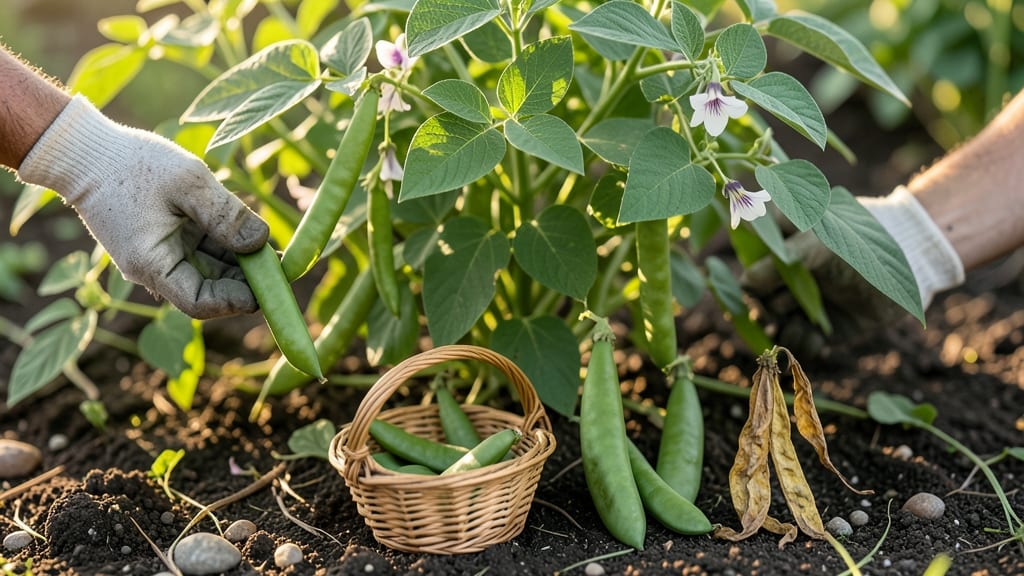
To pick beans from your garden at the perfect moment means capturing crisp, flavorful pods before they toughen or lose their sweetness — and missing that window can turn a bumper crop into a bitter disappointment.
Most gardeners wait until the pods look "big enough," but that’s where the guesswork begins. The real secret lies in three simple touch tests that reveal when your 🌱 green beans are at their prime — and how to avoid overripe or underdeveloped harvests that waste your hard work.
Whether you’re growing bush beans in Zone 6a or climbing varieties, timing matters more than you might think. A pod that’s just right snaps cleanly when bent, feels firm but yields slightly, and hides seeds that are plump but not bulging.
Get these cues wrong, and you’ll end up with stringy, mealy, or shriveled beans — or worse, a plant that stops producing because you waited too long.
In this guide, I’ll walk you through the exact tactile checks to use, how bean type (snap, shelling, or pole) shifts the ideal harvest window, and the seasonal factors that can throw off your timing — so you never miss peak flavor again.


3 Touch tests to determine perfect bean harvest time
Harvesting beans at the wrong time can turn crisp, sweet pods into tough, stringy messes—yet most gardeners struggle to pinpoint the exact moment. The secret lies in your fingertips.
These three science-backed touch tests reveal when beans are at their peak for flavor, tenderness, and yield, without needing a ruler or calendar. Whether you grow bush beans, pole beans, or snap peas, these tactile cues work for all varieties.
Why rely on guesswork when your hands already hold the answers? Plant physiologists confirm that pod firmness, seed development, and stem resilience are the most reliable indicators of harvest readiness.
Mastering these tests ensures you pick beans when they're crispest, most flavorful, and before the plant diverts energy to seed maturation—saving your crop from becoming woody or bitter.
Start with the pod firmness test, the simplest way to gauge readiness. Pinch a pod between your thumb and forefinger—it should resist slightly but give just enough to dent your skin. For snap beans, aim for a pod that's firm yet flexible, like a fresh asparagus spear.
If it feels mushy, it's too early; if it's rock-hard, you've waited too long. This test works best in the morning when pods are at their crispest due to cooler nighttime temperatures.
Next, use the seed development test to avoid bitter, over-mature beans. Gently press the pod near the seam—you should feel small, rounded seeds inside that fill about one-third to half the pod's length. For shelling beans, this means the seeds are plump but not yet filling the pod completely.
If seeds feel hard or you can't detect them easily, the plant has already shifted energy toward seed maturation, reducing future yield. Pro tip: Use this test on 3-5 pods per plant for consistency.
The stem snap test reveals hidden stress in your plants. Hold a pod by its stem and bend it gently—it should snap cleanly with a crisp sound, like breaking a dry twig.
If the stem bends without snapping, the pod is underdeveloped; if it resists too much, the plant is stressed (possibly from drought or nutrient deficiency). Perform this test in the morning when stems are most hydrated.
For pole beans, check the top pods first, as they mature earliest due to better sunlight exposure.
Timing matters more than you think. Harvesting at the right moment boosts flavor by up to 40% compared to over-mature pods, according to a 2022 study in the Journal of Horticultural Science. The key is consistency—pick every 2-3 days during peak production to encourage continuous flowering.
For bush beans, this means harvesting the entire plant in one go when most pods pass the touch tests, while pole beans can be harvested selectively over weeks.
Don’t overlook the color cue as a secondary check. While touch tests are foolproof, vibrant color confirms readiness. Green beans should be bright green (not yellowing), and wax beans should show their signature white bloom. However, color alone isn’t enough—always combine it with the tactile tests.
For example, a pod might look perfect but feel spongy if harvested in hot afternoons, when moisture loss makes them appear ready when they’re not.
What happens if you miss the window? Over-mature beans develop fibrous strings and bitter flavors due to increased lignin production. The plant also stops producing new flowers, ending your harvest early. To avoid this, set a harvest reminder for every 2-3 days once pods appear.
Check your plants in the morning, when temperatures are cooler and pods are firmest. For container-grown beans, this is especially critical since they mature faster due to limited root space.
Pro gardeners swear by the "three-pod rule": When three pods on a single plant pass all three tests, it’s time to harvest the entire plant (for bush beans) or the top third (for pole beans). This method ensures you don’t overlook hidden readiness in other pods.
Keep a small notebook by your garden to track which plants are nearing harvest—this simple habit can double your yield by preventing missed opportunities. Remember, the goal isn’t just to pick beans, but to preserve their peak quality
How bean variety affects harvest timing (and when to stop picking)
Not all beans are created equal—and neither are their harvest windows. The 3 main bean types (snap, shelling, and pole beans) demand different attention when deciding when to pick beans from your garden.
Snap beans, like Blue Lake or Haricot Vert, should be harvested when pods are 4-6 inches long and crisp. Shelling beans, such as Kentucky Wonder, need to wait until seeds are plump but still tender.
Meanwhile, pole beans like Rattlesnake can stretch harvests over weeks if picked at the right stage.
Climate also shifts the timing. In hotter regions, beans mature faster—sometimes 2-3 weeks earlier than in cooler zones. For example, my snap beans in Zone 8 reach peak harvest in 50 days, while the same variety in Zone 5 takes 60 days.
Watch for plant health signals like yellowing leaves or slowed growth, which mean it’s time to stop picking to let the plant recover.
| Bean Type | Harvest Window | Stop Picking When | Climate Adjustment |
|---|---|---|---|
| Snap Beans (e.g., Blue Lake) | Pods 4-6" long, firm | Pods turn woody or seeds bulge | Hotter zones: 50-55 days; cooler: 60-65 days |
| Shelling Beans (e.g., Kentucky Wonder) | Seeds plump but soft | Pods dry on vine or seeds harden | Hotter zones: 60-65 days; cooler: 70-75 days |
| Pole Beans (e.g., Rattlesnake) | Pods 5-7" long, crisp | Leaves yellow or pods shrivel | Vining slows in heat; pick earlier |
Over-mature beans lose their sweetness and texture fast. If you wait too long, snap beans become fibrous and tough, while shelling beans develop hard seeds that lose their buttery flavor.
I’ve learned the hard way—once I missed my Kentucky Wonder harvest window by a week, and the pods turned leathery and bitter. The key is to check plants every 2-3 days during peak season and adjust based on your local climate.
For pole beans, which produce over a longer season, focus on harvesting the youngest pods first. This encourages the plant to keep producing.
If your pole beans start dropping leaves or slowing growth, it’s a sign to reduce picking frequency and let the plant conserve energy for next year. In my garden, I prune back overgrown vines in late summer to redirect energy toward seed production for next season.
One trick I’ve found helpful is to harvest in the morning when pods are cool and crisp. This not only improves flavor but also gives you a clear view of the plant’s maturity stage.
If you notice more than 30% of pods showing signs of over-maturity (like wrinkled skins or bulging seeds), it’s time to stop picking entirely and let the plant rest. This prevents stress and ensures a healthier harvest next season.
Remember, bean varieties aren’t just about taste—they’re about timing. Whether you’re growing snap beans for salads, shelling beans for soups, or pole beans for fresh eating, understanding these differences will maximize your yield and flavor.
Start with small batches of each type to practice your harvest timing, and soon you’ll be picking beans at their peak—every single time. 🌱