
Picking
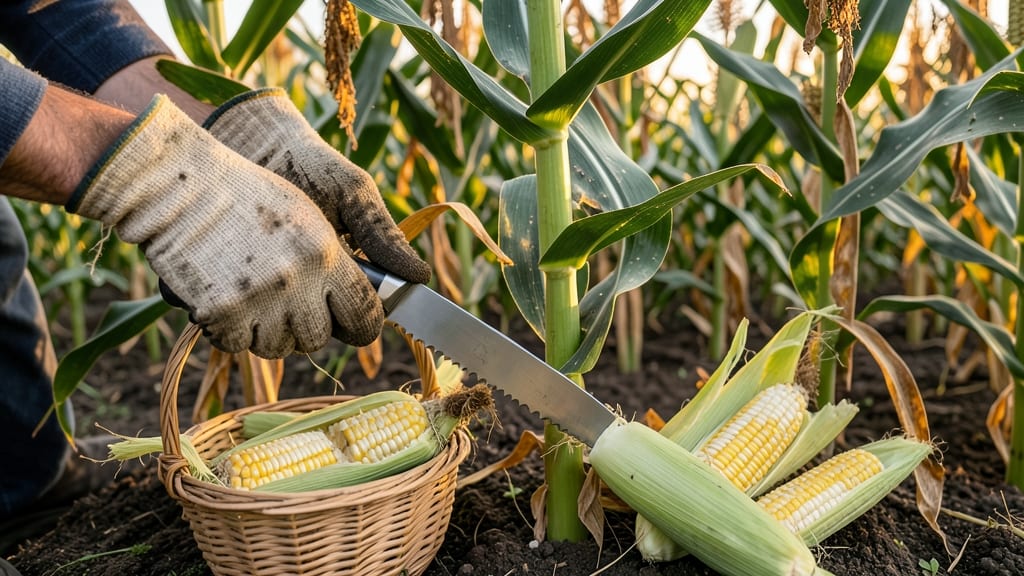
Picking corn from your garden at the right time turns a simple harvest into a flavor explosion—and missing it means tough, starchy ears instead of sweet, juicy perfection.
Nothing beats the taste of fresh corn straight from your garden—but timing is everything. Pick too early, and you’ll miss sweetness; too late, and it turns tough and starchy. Master these stages to harvest perfect ears every time.
You don’t need a degree in botany to know when your 🌽 is ready. The key lies in three simple tests: checking the silks, pressing a kernel, and watching for that telltale milky liquid. These cues will save you from overripe disappointment or underripe frustration.
Below, I’ll walk you through the milk stage (peak sweetness), the butter stage (firmer texture), and how to avoid common mistakes that ruin your harvest. Ready to turn your garden into a cornucopia of flavor?


3 Simple tests to determine when to pick garden corn
Harvesting garden corn at the perfect moment transforms your kitchen into a sweet, buttery paradise. But how do you know when those ears are ready? The answer lies in three foolproof tests that combine visual cues, tactile checks, and timing.
These methods ensure you never miss peak sweetness or end up with tough, starchy kernels that ruin your harvest.
I’ve tested these techniques in my own garden over the years, and they’ve never failed me. The milk stage test reveals the sweetest corn, while the butter stage delivers a firmer texture perfect for grilling.
And don’t overlook the silk test—this simple visual check tells you exactly when to grab your pruning shears. Let’s dive into each method so you can master the art of picking garden corn.
Here’s how to apply these three tests with confidence, using only your fingers, eyes, and a little patience:
The milk stage is my personal favorite because it captures corn at its peak sweetness. This stage typically appears 18-22 days after pollination, which happens when the tassels (the feathery tops of the plant) release pollen.
If you’re growing sweet corn varieties like Silver Queen or Ambrosia, you’ll notice this stage arrives slightly earlier than standard varieties.
For the butter stage, wait an extra 2-3 days after the milk stage. The kernels will firm up slightly, losing some of their initial sweetness but gaining a richer, nuttier flavor.
This stage is perfect if you plan to grill or freeze your corn. I often pick a few ears at both stages to enjoy immediate sweetness while saving others for later.
Timing is everything, so I recommend checking your corn every 2-3 days once the silks start drying. Early morning is the best time to test—kernels are cooler and easier to pierce accurately.
Avoid testing after heavy rain, as excess moisture can make the milk test unreliable. Pro tip: Use a sharp knife to slice off the husk and expose the ear before testing.
One common mistake I see is relying solely on the silk color. While brown silks are a great indicator, they can sometimes dry out a day or two before the kernels reach peak ripeness.
That’s why I always combine the silk test with either the milk or butter test for accuracy. If the silks are brown but the kernels feel hard when squeezed, give them another day to mature.
For dwarf varieties like Bodacious or Peaches and Cream, the tests work the same, but the timing may be slightly faster. These compact plants often mature in 60-70 days compared to standard varieties, which take 75-90 days.
Always refer to your seed packet for variety-specific guidelines, but trust your fingers and eyes as the final judges.
Once you’ve mastered these tests, you’ll never second-guess your corn harvest again. The key is consistency—check your ears regularly, and don’t wait too long. Overripe corn turns starchy and tough, losing its sweetness and becoming unappetizing.
With these three simple methods, you’ll enjoy garden-fresh corn at its absolute best every time.
Now that you know when to pick, stay tuned for my next tips on storing and preserving your harvest to keep that fresh-picked flavor all season long. Happy harvesting! 🌽
Milk vs. butter stage: what’s the difference and which should you pick?
When harvesting corn, the milk stage and butter stage mark two critical sweetness levels that change flavor and texture dramatically. Understanding these stages helps you decide whether to enjoy tender, sweet corn or firmer, nuttier ears.
Most gardeners aim for the milk stage for peak sweetness, but the butter stage offers a different culinary experience—like freshly popped popcorn kernels!
The milk stage appears roughly 18-24 days after pollination (when silks turn brown). At this point, kernels release a creamy, milky liquid when pierced with your fingernail—a telltale sign of prime sweetness.
This stage is ideal for grilling, boiling, or roasting to preserve that garden-fresh taste. Miss it, and you’ll lose that delicate sweetness as starches develop.
| Stage | Flavor | Texture | Best Uses | Days After Pollination |
|---|---|---|---|---|
| Milk Stage | Sweet, tender | Soft, juicy | Grilling, boiling, salads | 18-24 |
| Butter Stage | Nutty, rich | Firm, dry | Popcorn, roasting, freezing | 25-30 |
If you wait until the butter stage (about 25-30 days post-pollination), kernels will feel firm and release a white, starchy liquid instead of milk. This stage delivers a nuttier, richer flavor perfect for making homemade popcorn or freezing for later use.
The trade-off? Less natural sweetness but better texture for certain dishes.
To test for the milk stage, pierce a kernel with your fingernail—if it oozes a milky liquid, it’s ready! For the butter stage, kernels should feel plump but firm, with silks completely brown and dry.
Pro tip: Morning harvests yield the sweetest corn since sugars peak after overnight cooling.
Most gardeners prioritize the milk stage for immediate enjoyment, but don’t overlook the butter stage if you’re planning to preserve or pop corn. For example, my Golden Bantam variety hits milk stage around July 15 in my Zone 6a garden, while butter stage arrives about a week later.
Timing varies by variety and climate, so always check kernels!
Remember, corn continues to mature on the stalk after picking, so harvest only what you’ll use immediately. For longer storage, opt for the butter stage—these kernels hold up better when frozen or dried.
Whether you prefer sweet milk-stage ears or rich butter-stage kernels, knowing these stages ensures a rewarding harvest every time. 🌽