
Picking
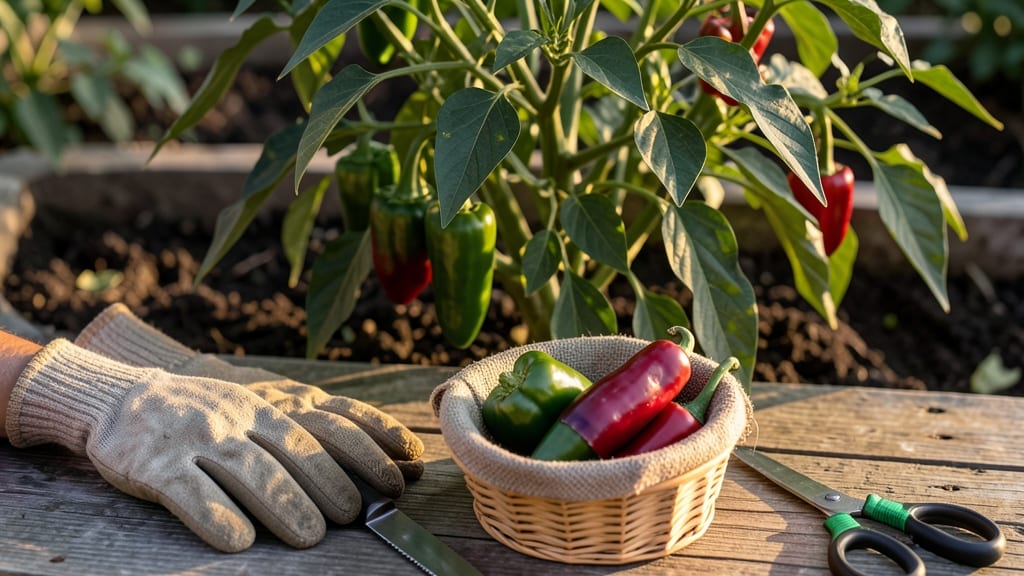
To pick jalapeños from your garden at the perfect moment means capturing their boldest flavor and heat—before they turn bitter or lose their snap.
Picture this: you’ve nurtured your 🌶️ plants all season, and now the moment of truth arrives. One wrong move, and those fiery peppers can go from mild and crisp to tough and disappointing.
But here’s the secret: color isn’t the only clue. Size, firmness, and even the way the stem separates all play a role in nailing that sweet spot.
Timing matters even more than you might think. Harvest too early, and you’ll miss out on the deep, smoky notes that develop as they ripen. Wait too long, and you risk peppers that are past their prime—soft, seedy, or even bitter.
The good news? With just a few simple tricks, you can turn every harvest into a flavor win.
In this guide, I’ll walk you through the exact stages to watch for—from glossy green to vibrant red—and share the pro tips that ensure your jalapeños are always at their peak. Ready to transform your garden into a spice powerhouse?


Jalapeño color-stage guide: when to harvest for maximum heat
Harvesting jalapeños at the right color stage transforms them from mild snacks to fiery hot peppers packed with complex flavor. The green, red, and brown stages each offer distinct heat levels and textures, but timing is everything.
I’ve grown jalapeños for years, and I’ve learned the subtle cues that separate a bitter pepper from one that’ll make your mouth sing with heat.
The color progression isn’t just about aesthetics—it’s a direct indicator of capsaicin development, the compound responsible for heat. A green jalapeño might be mild and crisp, while a red one can deliver double the heat with a sweeter, fruitier taste.
Even the brown stage has its place, though it’s often overlooked. Let’s break down each stage so you can pick your peppers at their peak.
🌱 Did You Know? Jalapeños left on the vine too long can become woody and bitter, while those picked too early lack flavor and heat potential. The 3-5 inch size range is your sweet spot for balance.
| Stage | Color | Heat Level | Flavor Profile | Best For | Harvest Window |
|---|---|---|---|---|---|
| Green | Deep green | 2,500–5,000 SHU | Crisp, grassy, mild | Pickling, salsas, fresh eating | 60–75 days after transplant |
| Turning (Green-Red) | Red streaks on green | 5,000–8,000 SHU | Balanced, slightly sweet | Grilling, stuffing, sauces | 75–85 days after transplant |
| Red | Fully red | 8,000–15,000 SHU | Sweet, fruity, intense heat | Hot sauces, drying, roasting | 85–90 days after transplant |
| Brown | Dull brown | 15,000+ SHU | Intense, smoky, woody | Drying, powdered spices | 90+ days (late season) |
🌶️ Note: Heat levels vary by variety and climate. Always test peppers before full commitment!
The green stage is where most home gardeners harvest, but it’s also where jalapeños pack the least heat. These peppers are best for pickling or fresh snacks, offering a crisp texture and mild kick.
I’ve found that green jalapeños picked at 3–4 inches deliver the best balance of size and flavor without bitterness. If you’re growing for pickled jalapeños, this is your ideal window—just don’t let them ripen further or the heat will overpower the tang.
When your jalapeños start showing red streaks, you’re in the turning stage, a sweet spot for grilling or stuffing. This phase marks a 20–30% increase in heat compared to fully green peppers, with a sweeter, fruitier taste.
I like to harvest these at 4–5 inches—they’re large enough to handle but still tender. If you miss this stage, don’t worry; the peppers will keep ripening, but the texture will toughen.
The red jalapeño is where things get exciting. Fully ripe red jalapeños can deliver three times the heat of their green counterparts, with a complex flavor that’s both sweet and smoky. These are perfect for hot sauces
3 Proven tricks to determine jalapeño ripeness beyond color
Color isn't always the best indicator of a jalapeño's ripeness—especially when peppers mature unevenly due to temperature shifts or partial sunlight. While green jalapeños are edible, they won’t reach their peak heat or sweetness until fully ripened.
That’s why I rely on these three hands-on tests to confirm ripeness before harvesting.
Even experienced gardeners sometimes misjudge ripeness, leading to underripe peppers that lack flavor or overripe ones that turn rubbery. These tricks help you avoid those mistakes by focusing on physical cues rather than just color. Let’s dive into the methods that have saved my harvests from disappointment.
- 1. Finger Pressure Test: Gently press the jalapeño's shoulder (where it meets the stem). A ripe pepper will yield slightly but not dent deeply. Overripe peppers feel mushy or leathery.
- 2. Stem Separation Method: Gently twist the pepper near its stem. If it snaps cleanly with minimal resistance, it’s ready. A tight grip means it’s underripe; a wobbly stem signals overripeness.
- 3. Size-to-Heat Ratio: Measure your pepper’s length. A 3-5 inch jalapeño with a firm but yielding skin is ideal. Smaller peppers (under 3 inches) are milder and less flavorful, while larger ones may be overripe.
The finger pressure test is my go-to because it’s quick and doesn’t damage the pepper. I’ve found that green jalapeños often pass this test even when they’re not fully ripe, so I always double-check with the stem separation method.
This combo ensures I’m harvesting at the perfect moment for maximum heat and sweetness.
Don’t overlook the size-to-heat ratio, either. A 4-inch jalapeño typically packs more capsaicin (the compound that makes peppers spicy) than a 2-inch one. However, if your pepper exceeds 5 inches without yielding to pressure, it’s likely past its prime.
Balance size with the other two tests for the best results.
Pro tip: Test a few peppers from different plants—jalapeño ripening can vary by 1-2 weeks depending on your climate zone and soil conditions. If you’re in a hotter region, peppers may ripen faster, so check them every 2-3 days once they reach 3 inches.
Mastering these tricks will transform your harvests from hit-or-miss to consistently flavorful. Next time you’re unsure, skip the guesswork and use these methods to pick your jalapeños at their peak—just in time for your favorite recipes! 🌱