
Picking
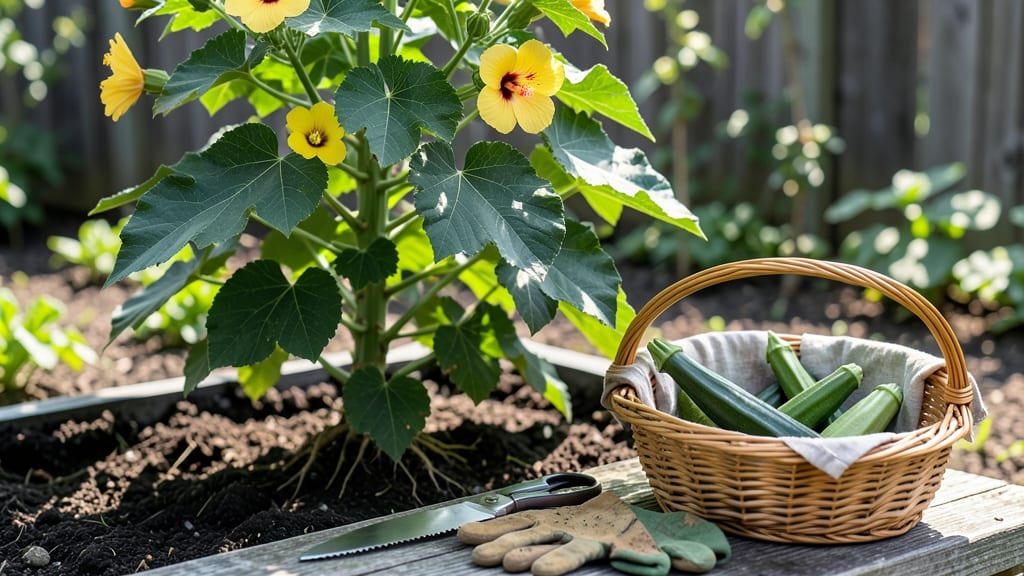
Picking okra from the garden at the right moment means the difference between tender, crisp pods and tough, woody ones that ruin any dish.
Imagine slicing into a perfectly ripe 🌱 okra—firm, glossy, and just 5 inches long—only to realize you missed the window by a day. That’s the moment you know timing is everything. Too early, and you’re left with undersized pods; too late, and the texture turns bitter.
In USDA Zone 6, where spring planting kicks off after the last frost (mid-April to early June), you’ll have about 75 days to nail the harvest before the first frost in late October.
But the real secret isn’t just the calendar—it’s the visual cues that tell you when to reach for those pods: deep green color, a slight bulge, and that satisfying snap when bent gently.
Below, I’ll walk you through how to spot the perfect okra, how often to harvest for maximum yield, and the common mistakes that turn your garden into a disappointment. Ready to transform your patch of green into a flavor-packed harvest?


How to identify the perfect okra size and firmness for harvesting
Okra is one of those vegetables where timing is everything. Harvest too early, and you get underdeveloped pods with bitter flavors. Wait too long, and they turn woody and fibrous, ruining that tender crunch we all love.
The sweet spot? 5 inches long with just the right firmness—this is when okra hits peak flavor and texture.
Start by checking the pod length first. Most gardeners aim for 2-3 inches minimum, but I always wait until they reach 4-5 inches for the best balance of tenderness and size. This gives you that perfect crisp yet meaty bite that disappears if you harvest too late.
Next, examine the color and texture. At peak ripeness, okra pods should be a deep, glossy green. If they’re dull or starting to yellow, they’ve passed their prime. Run your fingers along the pod—it should feel firm but slightly tender, almost like a ripe cucumber.
Don’t overlook the seed development. Inside, the seeds should still be small and soft. If you notice large, hard seeds, the pod is overripe. This is your last chance to salvage flavor before the okra becomes tough and bitter.
Here’s a quick visual and tactile checklist to confirm readiness:
- Length: 4-5 inches (ideal for most recipes)
- Color: Deep green and glossy
- Texture: Firm but tender when pressed
- Seeds: Small and soft inside
Pro tip: Use a gentle snap test to check firmness. Hold the pod near the stem and bend it slightly—if it snaps cleanly, it’s ready. If it bends without breaking, it’s still too young. If it resists entirely, it’s past its prime.
Regional climate matters too! In hotter zones (8-10), okra ripens faster—check pods every 2-3 days. In cooler areas (USDA zones 6-7), you’ve got a little more time, but don’t wait longer than 6-7 inches or you’ll lose that tender texture.
Once you master this, you’ll never struggle with overripe okra again. The key is consistency—harvesting at the right size keeps your plants producing new pods continuously throughout the season. Think of it like pruning tomatoes: the more you pick, the more your okra plants will reward you!
And if you’re ever unsure? Harvest smaller pods—they’ll still be edible (just more tender) and encourage your plant to keep growing. It’s better to pick early than risk missing the window entirely.
Okra harvesting frequency and techniques to maximize yield
Consistent harvesting is the secret to a bountiful okra harvest. When you pick pods regularly, you encourage your plants to produce more, keeping them productive throughout the growing season. Skipping harvests leads to overripe pods and stressed plants, so make this a priority in your garden routine.
For most varieties, aim to harvest every 2-3 days during peak production. This frequency ensures you catch pods at their sweetest stage—when they're 3-5 inches long and still tender. Think of it like pruning tomatoes: the more you pick, the more your plants will reward you.
- 1. Check daily during peak production (June-August) for 3-5 inch pods.
- 2. Use gentle twisting to detach pods—avoid cutting stems to prevent damage.
- 3. Harvest early morning when pods are cool and crisp for best flavor.
- 4. Wear gloves if your plants have thorns to protect your hands.
- 5. Leave 1-2 inches of stem attached to prevent rot during storage.
Use clean, sharp pruning shears or simply twist pods off by hand—this prevents tearing the plant tissue. I like to carry a small basket or bucket while harvesting to avoid dropping pods. For large plants, consider wearing gardening gloves with grip pads to handle thorny varieties like 'Clemson Spineless' safely.
To extend your harvest season, mulch around plants with straw or grass clippings to retain moisture and cool roots. This simple step can add 2-3 extra weeks of production by reducing stress. Water deeply in the morning to keep plants hydrated without promoting fungal diseases.
If you notice fewer pods forming, your plants may need a balanced fertilizer (10-10-10) applied every 4-6 weeks. Look for new flower buds daily—these will develop into your next harvest in about 3-5 days. The key is staying ahead of the plant's natural cycle.
Remember: Okra plants produce continuously for 60-75 days after planting. By following this harvesting schedule, you'll transform your garden into a steady supply of fresh, homegrown okra—ready for stir-fries, soups, or grilling within minutes of picking. 🌱