
Picking
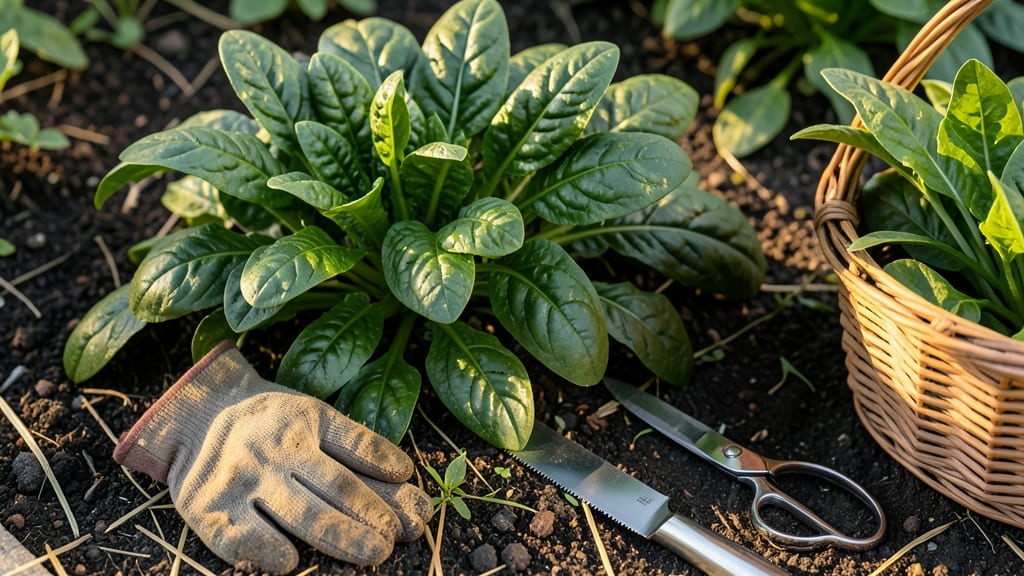
To pick spinach from your garden at the perfect moment means tender, flavorful leaves and a crop that keeps coming back—so why does so much of it go to waste?
Most gardeners either snip too early and stunt growth or wait too long, ending up with bitter, tough leaves that taste more like disappointment than dinner. The secret lies in reading the plant’s signals: leaf size, color, and even the crispness of the stems.
In USDA Zone 6a, spring-planted spinach 🥬 is ready for harvest just 30-45 days after sprouting, while late-summer varieties may take slightly longer. But timing isn’t just about days—it’s about the leaves themselves.
Below, I’ll walk you through the exact cues to watch for, how to harvest without killing the plant, and the simple tricks to keep your spinach patch producing for weeks. No more guesswork, just a steady supply of fresh, homegrown greens.


Optimal spinach harvesting stages: leaf size, age, and flavor indicators
Harvesting spinach at the right stage ensures maximum flavor and continuous growth. The key indicators are leaf size, plant age, and flavor development. Unlike many vegetables, spinach rewards patience—harvesting too early means missing out on tender leaves, while waiting too long leads to bitter, tough foliage.
For most varieties, spinach reaches harvest readiness between 30-45 days after planting. This window aligns with 3-6 inch leaves, which is when they develop their signature sweet, mild flavor. Baby spinach (harvested at 2-3 inches) offers a milder taste but requires more frequent picking to maintain production.
I’ve found that morning harvests yield the freshest leaves, as nighttime dew can make them limp. Always check for bright green color and crisp stems—these are foolproof signs of peak readiness. Overlooking these cues often results in bolting, where spinach prematurely flowers and becomes inedible.
Regional climates play a crucial role in timing. In cooler zones (USDA 3-5), spinach thrives in early spring and late fall, while warmer zones (USDA 7-10) benefit from late summer plantings. Heat stress accelerates bolting, so always prioritize shade cloth during summer months to extend harvest windows.
Flavor is your best indicator—taste-test a leaf before full harvest. The ideal spinach should be crisp with a mild, earthy sweetness. If leaves develop a peppery or bitter taste, it’s a sign they’ve over-matured, especially in hot weather.
This is your cue to harvest immediately or risk losing the entire plant.
For continuous harvests, adopt a leaf-by-leaf approach. Start by snipping the outer leaves first, leaving the inner rosette intact. This method encourages regrowth and can extend your harvest by 3-4 weeks per planting. I’ve seen gardeners double their yield using this technique compared to cutting entire plants.
One common mistake is assuming all spinach varieties mature at the same rate. Baby leaf varieties like 'Baby’s Leaf Hybrid' reach harvest in just 25 days, while larger types such as 'Giant Winter' take 50+ days. Always check seed packets for specific days-to-maturity guidelines to avoid misjudging readiness.
Soil temperature also impacts timing—spinach grows best in 45-75°F soils. If your region experiences early heatwaves, opt for shade-tolerant varieties like 'Tyee' or 'Bloomsdale Long Standing' to delay bolting. Mulching with straw helps maintain cool soil temperatures and preserves moisture for consistent growth.
Remember, spinach is a cut-and-come-again crop, meaning proper harvesting techniques directly influence future yields. By paying attention to leaf size, age, and flavor cues, you’ll transform your spinach patch from a one-time harvest to a year-round green machine. 🥬
Leaf-by-leaf harvesting techniques for non-stop spinach growth
Spinach thrives when you harvest it the right way—leaf by leaf—instead of yanking the whole plant. This method keeps your spinach patch producing for weeks longer while ensuring tender, flavorful leaves.
The key? Always start with the outer leaves and leave the inner rosette intact to regrow. I’ve learned this trick after watching my first spinach crop bolt prematurely from over-harvesting.
Timing matters too. Spinach leaves are ready when they reach 3-6 inches long and have a bright green color. If you wait too long, the leaves turn bitter or fibrous, ruining the taste.
But if you pick too early, you’ll stunt the plant’s growth. The sweet spot? 30-45 days after planting for baby leaves, or up to 60 days for larger harvests.
How to Harvest Spinach Leaf-by-Leaf
- Step 1: Wait for maturity Harvest when leaves are 4-6 inches long and bright green. Use your thumb to check tenderness—if it bends easily, it’s ready.
- Step 2: Choose the right leaves Pick the largest, outer leaves first. Avoid cutting into the center rosette—this keeps the plant producing new growth.
- Step 3: Snip or twist gently Use clean scissors or pinch leaves at the base. Never tear—this damages the plant. Aim for a 1-inch stem to encourage regrowth.
- Step 4: Space harvests Leave 3-4 weeks between harvests for full regrowth. In cooler climates, you can harvest every 7-10 days for continuous production.
- Step 5: Monitor stress signals Yellowing leaves or slow regrowth mean over-harvesting or nutrient deficiency. Add compost or fertilizer if needed.
One mistake I made early on was harvesting too aggressively in hot weather. Spinach hates heat—temperatures above 75°F (24°C) trigger bolting (flowering), turning your tender leaves into bitter stems. To avoid this, plant spinach in early spring or late summer and harvest early in the morning when leaves are crisp.
For continuous harvests, succession plant spinach every 2 weeks in spring and fall. This ensures you always have fresh leaves while older plants regrow. Mulch around the base to retain moisture and prevent weeds from competing.
I’ve seen my spinach patch produce for up to 3 months using this method!
Don’t forget to fertilize lightly after each harvest. A balanced 10-10-10 fertilizer (1 tbsp per plant) every 4-6 weeks keeps growth steady. And always water deeply in the morning to avoid fungal issues. With these steps, you’ll enjoy a never-ending spinach supply all season long.
Pro tip: Store harvested leaves in a plastic bag with a paper towel in the fridge for up to 5 days. This keeps them crisp for salads or cooking. Happy harvesting!