
Planting
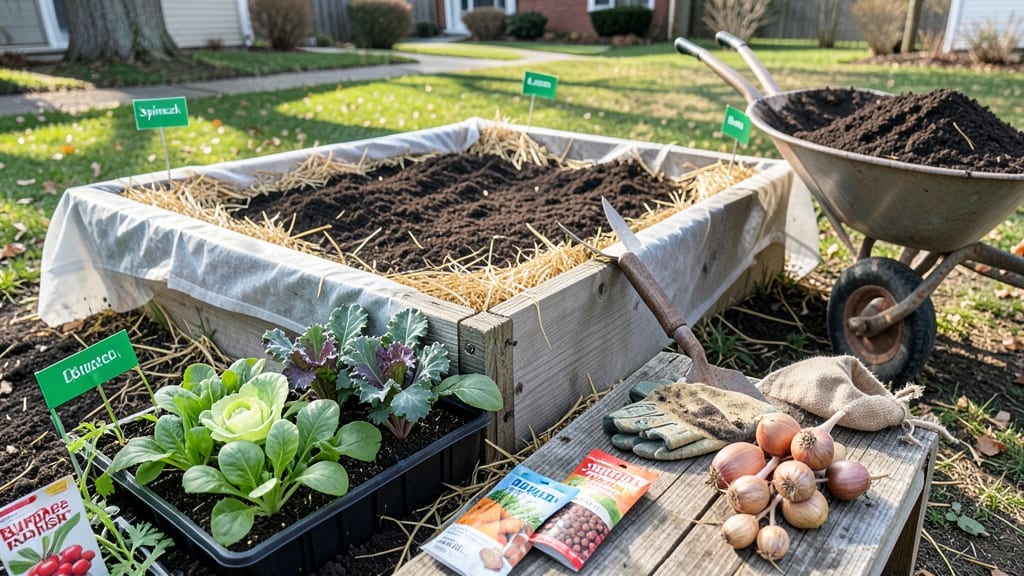
Planting a garden in Cleveland, Ohio, means timing it right to beat the unpredictable frosts that can derail your harvest before it starts.
You’ve probably heard that Cleveland’s weather is as changeable as a politician’s promise—one day it’s 60°F and sunny, the next it’s snowing in June.
But with the right frost dates and a little local know-how, you can turn those 165 frost-free days into a bountiful garden instead of a gamble.
Most General Garden Plants 🌱 thrive when planted after the last frost, typically around mid-April, but warm-season crops like tomatoes and peppers need the soil to warm up first.
That’s where Cleveland’s Zone 6a climate comes into play—get it wrong, and you’ll end up with stunted plants or lost crops.
In this guide, I’ll break down the exact planting windows for vegetables, flowers, and herbs, plus how to stretch your growing season with cold frames and succession planting. No more guessing—just peak yields and fewer gardening headaches.
Cleveland Ohio frost dates by season: key planting windows for vegetables, flowers, and herbs
Cleveland’s Zone 6a climate means your planting schedule hinges on average frost dates—typically April 15 for last spring frost and October 15 for first fall frost. These dates create a 165-day growing season, perfect for cool-season crops and warm-season favorites like tomatoes and peppers.
But microclimates (urban heat islands, lake breezes) can shift these windows by 1-2 weeks, so always monitor local forecasts.
For cold-hardy vegetables like spinach, kale, and peas, start seeds indoors in early March or direct-sow after March 20 if using frost blankets. These plants tolerate light frosts and even thrive in 40°F soil temperatures.
Warm-season crops—think tomatoes, peppers, and basil—need to wait until after May 1 when soil reaches 60°F+ and nighttime temps stay above 50°F consistently.
| Plant Type | Spring Planting Window | Fall Planting Window | Key Notes |
|---|---|---|---|
| Cold-Hardy Veggies | March 20 - April 15 | August 15 - September 15 | Spinach, kale, peas, lettuce |
| Warm-Season Veggies | May 1 - May 15 | N/A (too late) | Tomatoes, peppers, cucumbers |
| Flowers & Herbs | April 1 - May 10 | July 1 - August 10 | Marigolds, basil, thyme |
| Perennials | April 15 - May 1 | September 1 - October 1 | Coneflowers, lavender, hostas |
Urban gardeners in Cleveland’s heat-island areas (like downtown) can plant 1 week earlier in spring, while lakeshore properties may need to wait 7-10 days longer due to cooler air off Lake Erie.
Test soil temperature with a soil thermometer—most seeds need 50°F+ for germination, but warm-season crops like squash and melons require 70°F+ soil.
Fall planting in Cleveland rewards patience—cool-season crops like broccoli and carrots thrive when sown by August 15. These plants mature quickly in 60-70°F soil and can handle light frosts, extending harvests into November.
Use row covers to protect tender greens from early 28°F frosts, which can occur as early as October 10 in rural areas.
Herbs like parsley and cilantro are biennials that often self-seed in Cleveland’s mild winters. Plant them in early spring or late summer for dual harvests.
Meanwhile, basil and dill are annuals that bolt (flower prematurely) in 75°F+ heat, so succession-plant them every 2 weeks from May through July for continuous yields.
Pro tip: Use frost clocks or local Cooperative Extension Service alerts (like Ohio State’s) to adjust for Cleveland’s variable weather. My garden’s tomato plants once survived a May 10 frost thanks to a black plastic mulch and row cover—proof that timing + protection wins every time.
For container gardening, warm-season plants can be started 2-3 weeks earlier since pots warm faster. Place containers near south-facing walls or use heat mats to jumpstart germination. Just remember: containers dry out faster, so water daily in summer and use moisture-retentive soil mixes.
Don’t overlook fall harvests—Cleveland’s second planting window (August–September) is ideal for garlic, onions, and hardy greens. These crops mature slowly and sweeten with frost, making them perfect for winter storage. Plant garlic in October for next summer’s harvest, a trick I learned from local farmers’ markets.
When in doubt, follow the “10-day rule”: Wait 10 days after the average last frost before planting tender annuals. This buffer accounts for Cleveland’s late-spring cold snaps and gives young plants time to establish roots.
Pair this with mulching to regulate soil temps and retain moisture—my straw mulch kept carrots growing through a June heatwave last year.
🌱
Best plants to grow in Cleveland Ohio: month-by-month planting schedule for maximum yield
Cleveland’s Zone 6a climate gives you a 165-day growing season, but timing is everything. Plant too early and risk frost damage; too late, and you’ll miss peak harvests.
The key is aligning your planting schedule with Cleveland’s average last frost date (April 15) and first frost date (October 15), while accounting for soil warmth and rainfall patterns.
For cool-season crops, start as early as March under row covers or in a greenhouse. These hardy plants thrive in Cleveland’s 40–60°F soil temperatures and can handle light frosts. By May, shift to warm-season staples like tomatoes and peppers, which need soil temps above 60°F to germinate.
Fall planting begins in August for fast-maturing vegetables like spinach and kale, ensuring harvests before winter sets in.
- 1 March–April: Start cool-season crops like spinach, peas, and lettuce under row covers or in a greenhouse. Soil temps should reach 40°F+ for germination.
- 2 May–June: Plant warm-season favorites like tomatoes, peppers, and cucumbers after the last frost (April 15). Wait until soil temps hit 60°F+ to avoid stunted growth.
- 3 July: Sow fast-growing crops like bush beans and radishes for a late-summer harvest. Use succession planting every 2 weeks to extend yields.
- 4 August–September: Plant fall vegetables like kale, carrots, and broccoli for harvests before the first frost (October 15). Choose cold-hardy varieties for prolonged yields.
Adjust your schedule based on Cleveland’s microclimates. Urban areas may experience heat islands, while rural spots stay cooler. For example, tomatoes and peppers in city gardens might need afternoon shade in July to prevent bolting.
Always monitor soil moisture—Cleveland’s rainfall patterns can lead to soggy soil in spring and drought stress in late summer.
Pro tip: Use mulch to regulate soil temperature and retain moisture. A 2–3 inch layer of straw or shredded leaves keeps roots cool in summer and insulated in fall. For herbs like basil and cilantro, stagger plantings every 3 weeks to ensure a continuous harvest.
These plants bolt quickly in Cleveland’s heat, so timing is critical for flavor and yield.
Don’t forget perennials and flowers! Plant asparagus crowns in early spring (March) or daylilies in fall (September) for established roots before winter. Cleveland’s humid summers also favor hostas and asters, which thrive in partial shade and consistent moisture.
With this schedule, you’ll turn Cleveland’s short growing season into a year-round harvest bonanza.