
Planting
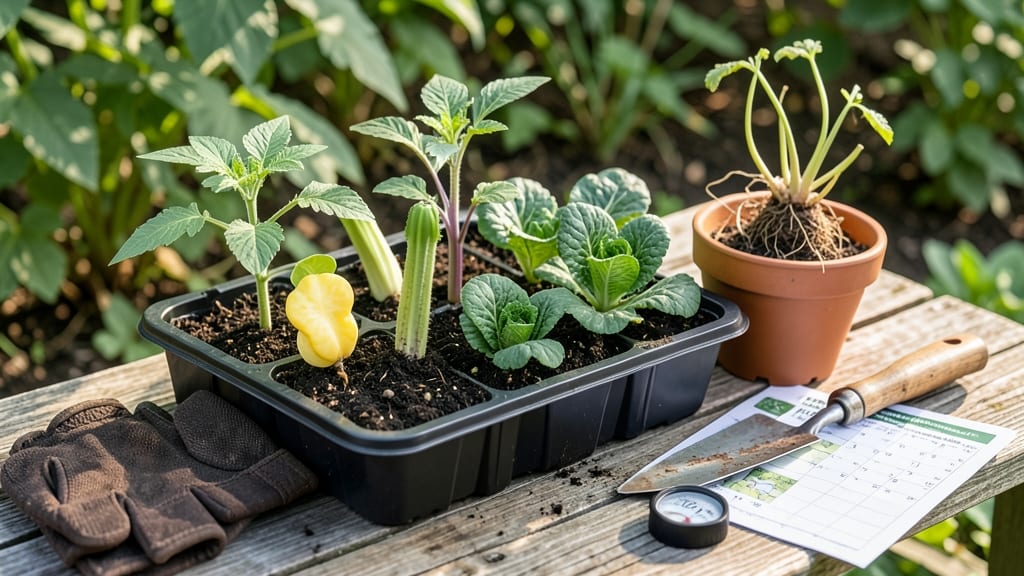
Planting a garden in Georgia at the right time means the difference between a bountiful harvest and wasted seeds 🌱 — and the exact window depends on whether you’re in the Coastal Plains, Piedmont, or Mountains.
Georgia’s warm climate and diverse microclimates make it a gardener’s paradise—but planting at the wrong time can mean wasted seeds and stunted growth. Timing your garden by county ensures your tomatoes, peppers, and greens thrive when they should, avoiding frost damage and maximizing yields.
If you’ve ever watched your seedlings shiver under a late frost or bolt into flower too soon, you know how critical precise timing is. The key is knowing your last frost date, which varies from early February in South Georgia to mid-April in the North Georgia mountains.
In this guide, I’ll break down the best planting windows by region, from cool-season crops like broccoli to warm-season favorites like okra, plus soil prep tips to give your garden the best start.
Georgia’s frost-free dates by county: the critical planting timeline
Georgia’s frost-free dates vary dramatically from the mountains in the north to the coastal plains in the south.
In the Appalachian region, like in Fannin County, the last frost typically arrives by April 15, while Camden County on the coast enjoys frost-free conditions by March 1. Understanding these differences ensures your tomatoes, peppers, and greens thrive without frost damage.
For warm-season crops like okra and sweet potatoes, timing is everything. Plant too early in North Georgia, and a late frost can wipe out seedlings.
In Southwest Georgia, where the climate is milder, you can start planting peppers as early as February, but in the Blue Ridge Mountains, wait until mid-April to avoid frost.
Here’s a breakdown of frost-free windows by Georgia’s three main regions to help you plan:
In North Georgia, where elevations reach 3,000+ feet, the growing season is shorter. For example, Dahlonega in Lumpkin County has a last frost date around April 20, while Blue Ridge can see frost as late as May 1.
This means cool-season crops like kale and broccoli should be planted by March 15 to avoid frost damage.
For herbs like basil and crops like cucumbers, which are sensitive to cold, wait until the soil temperature reaches 60°F. In Central Georgia, this typically happens by mid-March, but in Northwest Georgia, you may need to wait until late April.
Use a soil thermometer to check—it’s the best way to avoid guesswork.
If you’re growing warm-season vegetables like tomatoes or peppers, start seeds indoors 6-8 weeks before your last frost date. For South Georgia, this means sowing seeds by January 1, while in North Georgia, hold off until March 15.
Transplant seedlings outdoors only after the nighttime temperatures stay above 50°F consistently.
In Coastal Georgia, where the climate is humid and warm year-round, you can even grow warm-season crops like okra and sweet potatoes in winter. However, first frost dates in December can still catch gardeners off guard.
Use row covers or cold frames to extend your growing season if you’re eager to plant early.
Pro tip: Check the National Weather Service or your local extension office for real-time updates on frost dates. Microclimates—like a sunny hillside or a shady valley—can shift frost dates by 1-2 weeks. Observe your own yard for 3-5 years to refine your planting schedule.
For succession planting, like lettuce or radishes, plan to sow seeds every 2-3 weeks after your last frost date. This ensures a continuous harvest and prevents bolting (when plants flower prematurely).
In South Georgia, you can even plant fall greens in August for a winter harvest.
Remember, herbs like cilantro and parsley bolt quickly in hot weather, so plant
Best crops to plant by Georgia season: a month-by-month guide
Georgia’s diverse climate zones mean you can grow almost year-round, but timing matters. Cool-season crops like broccoli and peas thrive in spring and fall, while warm-season favorites (tomatoes, peppers) need summer heat. Understanding these cycles helps avoid frost damage and ensures continuous harvests.
Succession planting is key—sow fast-growing lettuce every 2 weeks to keep your kitchen stocked. Herbs like basil and microgreens grow quickly, making them perfect for filling gaps between slower crops. Let’s break down the best month-by-month planting schedule for Georgia’s unique regions.
- 1 January-February: Start cool-season crops indoors—broccoli, cabbage, and peas. Harden off seedlings before transplanting after last frost (mid-March in most areas).
- 2 March-April: Plant warm-season crops like okra, sweet potatoes, and peppers after soil reaches 65°F. Use row covers for early tomatoes in North Georgia.
- 3 May-June: Sow succession crops—bush beans, cucumbers, and lettuce every 2 weeks. Mulch to retain moisture during peak heat.
- 4 July-August: Plant fall crops like kale, spinach, and radishes 6-8 weeks before first frost. Herbs (basil, cilantro) thrive in containers.
- 5 September-October: Extend harvests with winter squash and collard greens. Plant garlic in October for spring harvest.
- 6 November-December: Focus on overwintering crops like onions and leeks. Cover with mulch to protect from light frosts.
For Coastal Georgia, start warm-season crops 2-3 weeks earlier than inland areas. In North Georgia’s mountains, delay planting until after May 15 to avoid late frosts. Succession planting ensures you never run out of fresh produce—try sowing radishes every 10 days for continuous harvests.
Don’t forget year-round herbs like thyme and rosemary, which thrive in containers and add flavor to meals. Microgreens grow in as little as 2 weeks, making them perfect for quick harvests between seasons. With this schedule, your garden will stay productive 12 months a year.
Experiment with unusual crops like Malabar spinach (heat-tolerant) or Siberian kale (cold-hardy) to push your garden’s limits. Happy planting!