
Planting
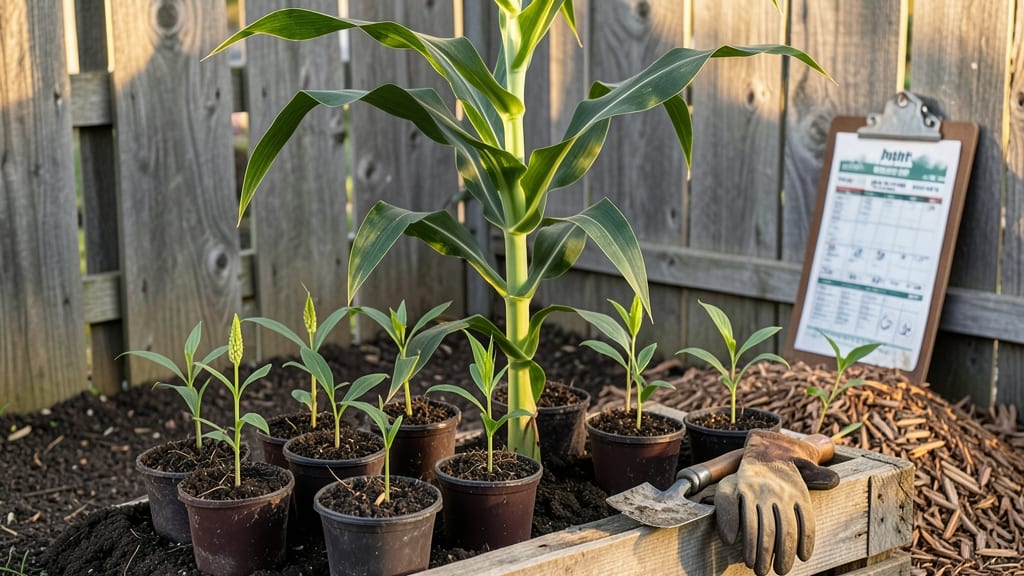
Planting a garden in Iowa at the right time means the difference between a thriving harvest and a frost-killed disappointment.
Iowa’s unpredictable frost dates can turn a promising garden into a frozen disappointment—or help you grow a thriving harvest. Timing your planting by county is the secret to avoiding early frosts and maximizing your growing season.
Most Iowa gardeners wait until after the last frost date, but that’s not always the best strategy. Some crops, like peas and lettuce, can handle cooler soil, while tomatoes and peppers need warm earth to thrive.
Knowing your exact frost-free window—whether you’re in Zone 4 or 5—is the key to planting with confidence.
In this guide, I’ll break down the best planting windows by county, share soil prep tips for Iowa’s clay-heavy earth, and show you how to adjust for late springs or early freezes. Ready to turn your garden dreams into reality?
Iowa’s frost-free deadlines by county: when to plant vegetables for maximum yield
Iowa’s frost-free dates vary dramatically by county, making precise timing essential for warm-season crops like tomatoes and cool-season crops like spinach. Based on 2023 averages, southern counties like Appanoose often see frost-free dates by April 15, while northern Lyon County may wait until May 10.
These differences can mean the difference between a bountiful harvest and a wasted seed packet.
Understanding your local frost dates helps you align planting with soil temperatures and crop maturity. For example, peppers need 60+ days of warmth, so planting too early in Pocahontas County (last frost: May 25) risks stunted growth.
Meanwhile, lettuce thrives when sown 4-6 weeks before your first frost, giving northern gardeners a September harvest window.
Here’s how to use this data: Start warm-season crops 2 weeks after your average frost-free date, and cool-season crops 4-6 weeks before the first frost. Microclimates—like urban heat islands or protected garden beds—can shift these dates by 1-2 weeks. Always check local weather forecasts for real-time adjustments.
How to adjust planting dates for Iowa’s unpredictable weather patterns
Iowa’s variable climate means last spring frost dates can swing by 2-3 weeks between years. I’ve learned to use soil temperature and frost watch tools to stay ahead of Mother Nature’s surprises.
A late frost in May can wipe out tender seedlings, while an early warm spell might trick you into planting too soon.
My first rule of thumb? Wait until soil temperatures hit 50°F for 7+ days before planting warm-season crops like tomatoes or peppers. Cold soil slows germination and stresses young plants.
I use a soil thermometer (just $10 at garden centers) to check daily—it’s the most reliable way to time your planting.
For cool-season crops, I start seeds indoors 4-6 weeks before the average last frost date for my county. This gives them a head start while still protecting them from late frosts. In my experience, hardening off seedlings for 7-10 days before transplanting makes all the difference in survival rates.
🌱Key-takeaway
Iowa Planting Adjustments
📅 Warm-Season Crops: Plant after May 15 in most counties (verify with frost-free date tools)
🌡️ Soil Temp Rule: 50°F+ for 7+ days before planting
❄️ Frost Buffer: Use row covers for 2-3 weeks after last frost
🌱 Cool-Season Tip: Start seeds 4-6 weeks before last frost
Iowa’s microclimates add another layer of complexity. South-facing slopes warm up faster than low-lying areas, so I plant heat-loving crops there first. Conversely, my north-facing garden stays cooler longer—perfect for leafy greens that bolt in summer heat.
A simple trick: place a minimum thermometer in your garden beds to track nighttime lows.
Crop rotation is my secret weapon against Iowa’s unpredictable weather. I rotate tomatoes, peppers, and brassicas every year to prevent disease buildup from wet springs. Last year’s failed potato crop? This year I’m planting shallots in that spot—they tolerate cooler soils and add diversity to my rotation schedule.
For fall planting, I use the "100-day rule": count back 100 days from your first frost date to determine when to sow warm-season crops like beans or cucumbers. In central Iowa, that means starting seeds by mid-July for a late harvest.
I’ve had success with spinach and kale planted as early as August 15—they handle light frosts beautifully.
Don’t forget frost watch alerts from the National Weather Service or local agricultural extensions. I set calendar reminders for April 15 and October 15 to check frost predictions.
When in doubt, I’ll delay planting by 1-2 weeks rather than risk losing my investment to a late freeze. Patience pays off in Iowa’s garden!