
Planting
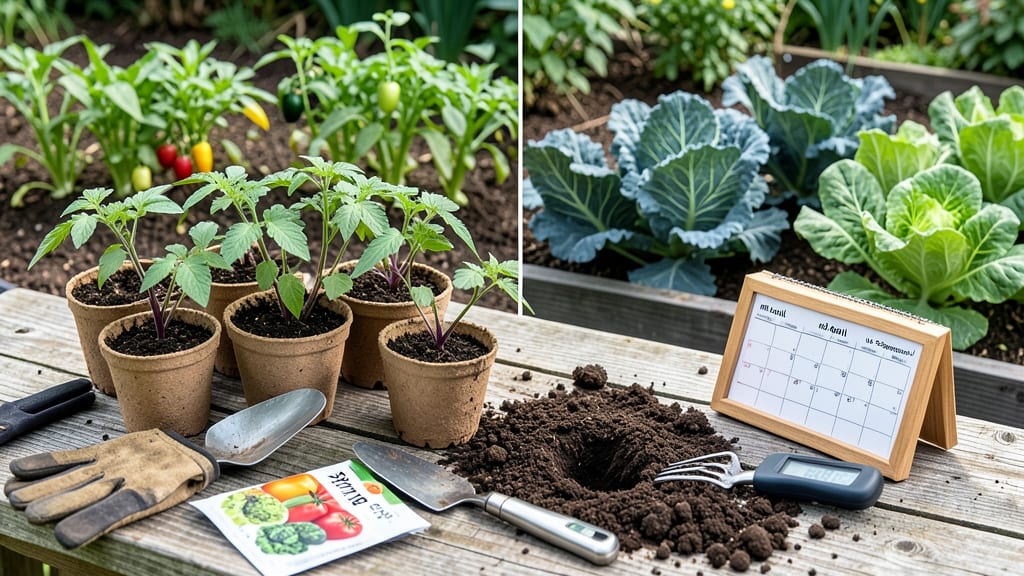
Planting a garden in Ohio at the right time means the difference between a bumper crop and a total loss to frost 🌱 — and the window shifts dramatically from the frozen north to the warmer south.
Ohio gardeners know timing is everything—plant too early and frost will wipe out your hard work, but wait too long and you’ll miss peak harvests. Avoid the guesswork with Ohio’s last frost dates, which vary dramatically from the frozen north to the milder south.
This isn’t just about avoiding a late freeze; it’s about matching your seeds to the soil temperature. Cool-season crops like spinach need to go in as soon as the ground is workable, while tomatoes and peppers won’t thrive until the earth is at least 50°F.
Below, I break down Ohio’s frost-free zones by county, when to start seeds indoors, and the 3 key mistakes that turn hopeful gardeners into late-season salad eaters. Let’s get those plants in the ground at the perfect moment.
Ohio last frost dates by region: when to plant cool-season vs warm-season crops
Ohio’s last frost dates can swing by 3 weeks from the frozen north to the warmer southern counties. In northeast Ohio (like Cleveland), the average last spring frost hits around May 15, while southern Ohio (like Cincinnati) typically sees frost-free conditions by April 15.
These differences mean cool-season crops like spinach and peas can go in weeks earlier in the south, while warm-season crops like tomatoes and peppers need patience in the north.
Understanding your microclimate is key—urban areas often warm up faster than rural spots, and southern exposures can shave off 1-2 weeks from frost risk.
For example, a south-facing garden bed in Columbus might be safe for warm-season plants by April 20, while a north-facing slope in Toledo could wait until May 5. Always check local historical frost data from your county extension office for precision.
Here’s a region-by-region breakdown of Ohio’s average last frost dates, tailored for cool-season and warm-season crops, plus how to adjust for your specific zone.
For cool-season crops, like spinach and peas, the goal is to get them in the ground 4–6 weeks before your average last frost date. This gives them time to establish roots before summer heat arrives.
In northeast Ohio, that means starting spinach seeds indoors by February 15 or sowing directly by March 20. Meanwhile, in southwest Ohio, you can plant lettuce outdoors as early as February 20.
Warm-season crops—think tomatoes, peppers, and cucumbers—need soil temperatures
How to use Ohio’s frost date map to plan your planting schedule
Ohio’s last frost dates can shift by weeks between northern and southern counties, so knowing your zone is key. For example, northeast Ohio often sees frost in mid-May, while southwest Ohio may be frost-free by early April.
These dates determine when to plant cool-season crops like lettuce and warm-season crops like tomatoes.
Start by locating your county on Ohio’s frost date map (available from Ohio State University Extension). The map shows average last frost dates, but remember these are just guidelines—actual frost dates can vary by 1-2 weeks each year. Check historical data for your area to account for these fluctuations.
Step-by-Step Guide to Using Ohio’s Frost Date Map
- 📍 Step 1: Find Your Zone
Locate your county on Ohio’s frost date map. Northern counties (e.g., Ashtabula) average last frosts around May 15, while southern counties (e.g., Lawrenceburg) may see frost-free dates by April 1. - 📅 Step 2: Calculate Safe Planting Windows
Subtract 2-3 weeks from your last frost date for cool-season crops (e.g., peas, spinach). For warm-season crops, wait until soil temps reach 60°F and add 1-2 weeks after your last frost date. - ⏳ Step 3: Adjust for Historical Data
Compare your county’s frost dates from the past 5 years. For example, 2020’s late frost in April delayed planting, while 2021’s early warmth allowed earlier starts. Use this to fine-tune your schedule. - 🌱 Step 4: Plan for Microclimates
South-facing slopes or urban areas may warm up 1-2 weeks earlier than surrounding regions. Observe your yard’s unique conditions, such as wind exposure or sunlight patterns, to adjust planting times. - 📝 Step 5: Create a Backup Plan
Use row covers or a cold frame to extend your planting window by 2-4 weeks if frost threatens. For warm-season crops, start seeds indoors 6-8 weeks before your last frost date.
Once you’ve identified your frost-free window, align it with your plants’ maturity timelines. For instance, bush beans take 50-60 days to harvest, so plant them 2 months before your first frost in fall.
Meanwhile, tomatoes, which need 70-85 days, should go in 4-6 weeks after your last frost.
Don’t forget about fall planting, too! Ohio’s first frost dates range from October 15 in the north to November 15 in the south. Cool-season crops like kale and radishes can still thrive if planted 6-8 weeks before your first frost.
Use a planting calendar to track these dates and maximize your harvest.
By mastering Ohio’s frost date map, you’ll transform guesswork into a successful planting schedule tailored to your microclimate. Happy gardening! 🌱