
Planting
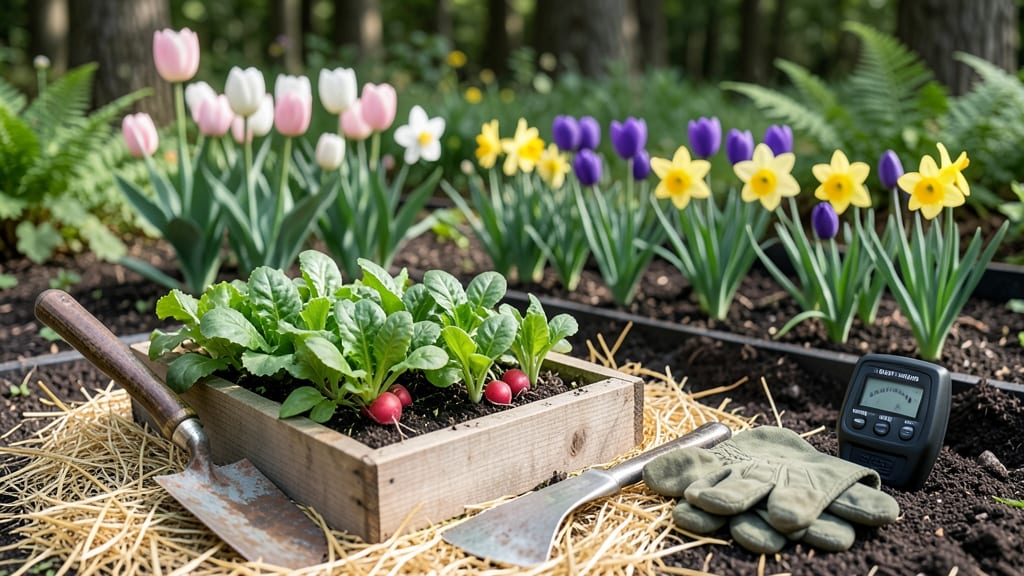
Planting a garden in Pennsylvania at the right time means the difference between a bountiful harvest and a sad, frost-nipped disappointment.
Pennsylvania’s diverse climate means your garden’s success hinges on timing—plant too early and risk frost damage, too late and miss peak harvests.
From the warmer southern counties like Chester, where you can start cool-season crops by late February, to the cooler mountain regions like Erie, where you wait until mid-May, the window shifts dramatically.
Here’s how to pinpoint your exact planting window, adjust for microclimates, and choose the best crops for your USDA Zone 5-7 garden—so you get the most out of every season.
Pennsylvania last-frost dates by region: a county-specific planting timeline
Pennsylvania’s last-frost dates vary dramatically across its six distinct regions, making precise timing essential for your garden’s success. The Southeast enjoys earlier springs, while the Northwest often faces late frosts well into May. Understanding these patterns helps you choose between cold-hardy crops like spinach and frost-sensitive plants like tomatoes.
For cold-tolerant vegetables, such as peas and kale, you can start seeds as early as late March in the warmest regions. However, warm-season crops like peppers and eggplants require waiting until after the last frost—sometimes as late as mid-June in colder areas.
Let’s break down the county-specific frost dates to optimize your planting schedule.
Key takeaway: Use these dates as guidelines, not absolutes. Monitor local weather forecasts and soil temperatures (aim for 50°F+) to fine-tune your timing. A sudden late frost can devastate tender seedlings, while planting too late may shorten your harvest window.
In the Southeast region, counties like Chester and Lancaster typically see their last frost by April 20, giving gardeners a head start. This means you can plant cool-season crops like spinach and peas as early as late March under row covers.
For warm-season vegetables, wait until May 1 to avoid frost damage to seedlings.
Moving to the Northwest, areas like Erie often experience late frosts into May 20. Here, prioritize fast-maturing varieties of tomatoes and peppers, or use black plastic mulch to warm the soil faster. Cold-hardy crops like peas and kale thrive here even with late springs.
For
How to adjust planting dates for Pennsylvania’s microclimates and soil types
Pennsylvania’s diverse elevation and urban heat islands create microclimates that can shift planting windows by 2-3 weeks. The Poconos Mountains may still see frost in early June, while Pittsburgh’s city center can be 10°F warmer than surrounding areas.
Adjust your schedule based on these factors to avoid frost damage or bolting plants.
Soil drainage is another critical factor—clay-heavy soils in the Allegheny Plateau hold moisture longer, delaying spring planting, while sandy soils in the Susquehanna Valley warm up faster.
Test your soil’s drainage rate by digging a hole: if water pools after 6 hours, amend with compost or sand to improve airflow.
- 1 Mountain Regions (Poconos, Laurel Highlands): Wait until May 15–June 1 for frost-sensitive crops like tomatoes and peppers. Use row covers to plant 2 weeks earlier for cold-hardy greens.
- 2 Urban Areas (Philadelphia, Pittsburgh): Plant 1 week earlier than rural zones due to urban heat islands. Monitor soil temperature—aim for 50°F+ for most vegetables.
- 3 Soil Adjustments: Amend clay soils with compost to warm faster; add organic mulch to sandy soils to retain moisture. Test pH levels—most veggies thrive at 6.0–7.0.
- 4 Row Covers for Extension: Use floating row covers to plant 3–4 weeks earlier in spring or extend fall harvests by 2–3 weeks. Remove covers during pollination for crops like cucumbers and squash.
- 5 Fall Planting: In Zone 6 (Poconos), plant kale and spinach by August 15 for harvest before first frost. In Zone 7 (Pittsburgh), extend to September 15 with row covers.
For elevation adjustments, subtract 1 day per 100 feet from your planting date if you’re above 2,000 feet. For example, a 3,000-foot garden in the Poconos should delay planting by 3 weeks compared to Pittsburgh.
Use a soil thermometer to confirm readiness—most seeds need 40–70°F soil to germinate.
Urban gardeners can leverage heat-retaining materials like black plastic mulch to warm soil faster, while rural areas with poor drainage benefit from raised beds. Always monitor local weather forecasts and adjust your schedule—unpredictable frosts can still occur in May or October.
Pro tip: Keep a garden journal to track your local microclimate’s quirks. Note when last frost occurs in your yard versus the official county average. Over time, you’ll refine your planting dates for maximum yields and minimal stress on your plants. 🌱