
Planting
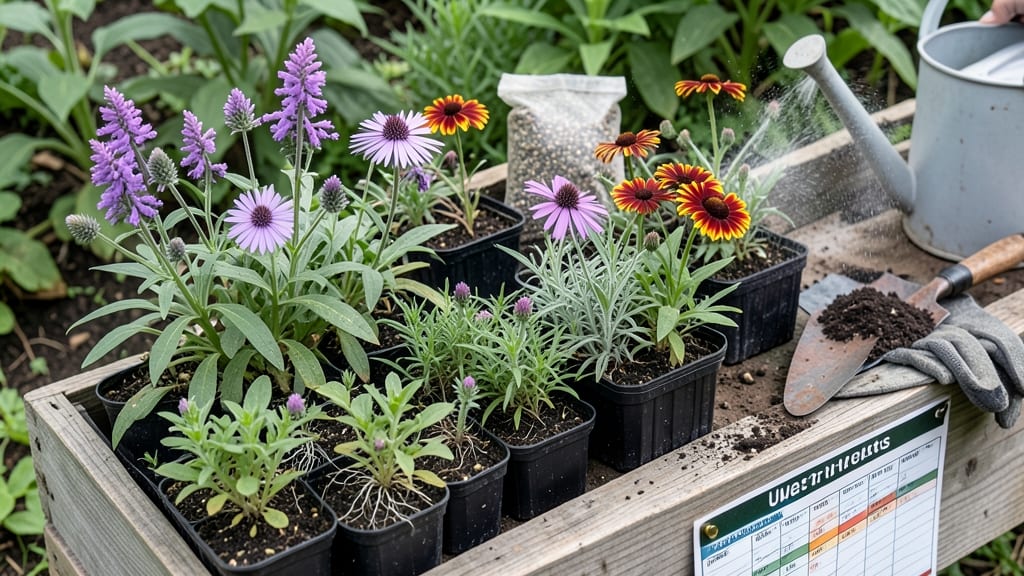
Planting a garden in Utah requires timing your crops to the exact frost-free window, or you risk losing everything to late freezes or a cut-short harvest.
Utah’s unpredictable frost patterns can turn your gardening dreams into a gamble—unless you know the exact frost-free dates for your county. Planting too early risks frost damage, while waiting too long shortens your growing season.
Here’s how to time your garden perfectly for Utah’s diverse microclimates, from the desert heat of St. George to the high-altitude valleys of Cache County.
With USDA Zones 4 through 9 across the state, the right planting window depends on where you live. In Zone 4 areas like Logan, you might wait until mid-May, while Zone 7’s Salt Lake Valley can start as early as late April.
Even within the same county, elevation changes can shift frost dates by weeks—so knowing your microclimate is the key to success.
In this guide, you’ll discover the frost-free deadlines for your county, proven strategies to extend Utah’s short growing season, and common mistakes that cost gardeners weeks of progress. Whether you’re planting vegetables, flowers, or perennials, timing is everything—and we’ve got the data to help you get it right.
Utah’s frost-free deadlines by county: the exact planting windows you need
Utah’s diverse geography—from the high desert of St. George to the Wasatch Mountains—creates wildly different frost patterns. In Zone 4 areas like Box Elder County, last spring frosts can linger until May 15, while Zone 7b St. George sees frost-free conditions by March 1.
These variations mean planting tomatoes in Salt Lake County too early could spell disaster, but in Washington County, you might miss the optimal window entirely. Let’s break down the 2023 averages so you can align your garden with Utah’s unpredictable climate.
Understanding your local frost dates isn’t just about avoiding damage—it’s about maximizing your growing season. In Cache Valley (Zone 5), you’ve got roughly 120 frost-free days, while Moab (Zone 7a) stretches that to 180 days.
Even within a single county, microclimates matter: urban Salt Lake City can be 5°F warmer than nearby rural areas due to heat islands. Use these guidelines to time your seed starting and transplanting for success.
Pro Tip: Adjust for elevation—every 1,000 feet up adds 3–5 days to frost risk. For example, Park City (7,000 ft) may see frosts until June 1, while Hurricane (2,500 ft) typically warms up by March 15. Always check local weather stations for real-time updates, as patterns shift yearly.
| County | USDA Zone | Avg Last Spring Frost | Avg First Fall Frost | Frost-Free Days | Key Adjustments |
|---|---|---|---|---|---|
| Cache (Logan) | Zone 5 | May 10–15 | Sept 20–25 | 125–130 | High elevation; wait for soil >50°F |
| Salt Lake (SLC) | Zone 6a | April 25–May 5 | Oct 5–10 | 160–165 | Urban heat islands delay frosts; monitor microclimates |
| Washington (St. George) | Zone 7b | March 1–15 | Nov 15–20 | 240–250 | Desert heat; water deeply in summer |
| Davis (Farmington) | Zone 6b | April 10–20 | Oct 15–20 | 180–185 | Valley floor warms faster; avoid low spots |
| Utah (Provo) | Zone 5b | May 1–5 | Sept 25–Oct 5 | 140–145 | Mountain valleys; use row covers for early crops |
| Grand (Moab) | Zone 7a | March 15–25 | Nov 5–10 | 230–240 | Arid climate; mulch to retain moisture |