
Planting
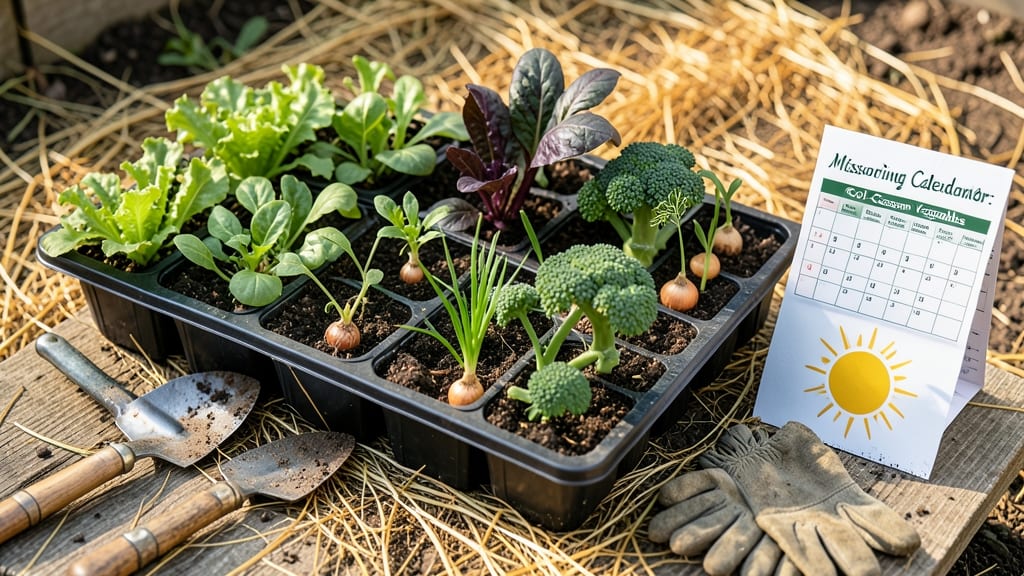
Planting a vegetable garden in Missouri requires timing it just right to avoid frost damage or wasted effort—especially when cool-season crops like spinach need early starts and tomatoes demand a warm soil window.
Missouri’s unpredictable spring weather can turn your vegetable garden dreams into a gamble—unless you know the exact timing for planting each crop. Get the stress-free schedule for warm-season veggies, cool-season starts, and frost-sensitive plants based on Missouri’s USDA zones and historical last frost dates.
In zones 5b-6a, the last frost typically arrives between mid-April and early May, but your planting window depends on whether you’re sowing hardy greens or heat-loving peppers. A missed deadline can mean stunted growth or no harvest at all.
Below, I’ll break down the ideal planting months for 20+ Missouri-grown vegetables, regional frost risk alerts, and how to stretch your season with row covers or cold frames—so you can enjoy a bountiful harvest from May through November.
Missouri’s last frost dates by region: when to plant cool-season vs. warm-season vegetables
Missouri’s USDA zones 5b, 6a, and 7a create distinct planting windows that can make or break your vegetable garden. The average last frost dates range from mid-April in southern Missouri to early May in northern regions, but frost can linger weeks later in low-lying areas.
Understanding these regional differences helps you avoid frost damage to tender seedlings and maximize your harvest.
Cool-season crops like spinach, peas, and lettuce thrive when planted 4-6 weeks before the last frost, while warm-season vegetables (tomatoes, peppers, cucumbers) need soil temperatures above 55°F (13°C) and 2-3 weeks after the last frost to establish roots.
Missouri’s unpredictable spring weather means adding a 2-week buffer for frost-prone areas like the Ozarks or Bootheel is wise.
Here’s how to align your planting schedule with Missouri’s last frost dates by region, ensuring your cool-season crops mature before summer heat and your warm-season plants avoid early frost risks:
For cool-season crops, start seeds indoors 6-8 weeks before your region’s last frost date. For example, in Zone 5b (northern Missouri), sow spinach and peas by March 15 for an early spring harvest.
In Zone 7a (southern Missouri), you can plant lettuce and radishes as early as February 15 under row covers.
Warm-season vegetables like tomatoes, peppers, and cucumbers need warm soil (60°F+) and consistent temperatures above 50°F. In central Missouri (Zone 6a), wait until April 25 to transplant seedlings, while northern zones should hold off until May 1 to avoid late spring frosts.
Use black plastic mulch to warm soil faster in cooler regions.
Missouri’s microclimates can shift frost dates by 1-2 weeks. Low-lying areas like river valleys (e.g., St. Louis or Kansas City) often experience later frosts, while hillsides warm up faster.
To hedge your bets, use frost cloth or row covers for 2-3 weeks after transplanting warm-season crops in Zone 5b.
Pro tip: Check the Missouri State Climate Office or local Cooperative Extension Service for real-time frost alerts. Their 30-year averages help refine these general guidelines. For instance, 2023’s late April frost in Columbia (Zone 6a) caught many gardeners off guard—proof that local data beats assumptions.
Plan for succession planting of cool-season crops like bush beans and carrots every 2-3 weeks after your last frost date. This ensures a continuous harvest through summer.
Meanwhile, warm-season crops planted too late may struggle to mature before first fall frosts (mid-October), so prioritize early varieties like ‘Early Girl’ tomatoes or
Best planting schedule for Missouri vegetables: month-by-month guide with frost risk alerts
Missouri’s unpredictable frost dates make timing everything for a successful vegetable garden. Whether you’re growing cool-season greens or heat-loving tomatoes, planting too early or late can mean wasted effort.
I’ve broken down the month-by-month schedule for 12 top Missouri crops, including critical deadlines and frost risk alerts to help you avoid common mistakes.
For example, lettuce and peas thrive when planted in early spring, while tomatoes and peppers need to wait until after the last frost—usually mid-April to early May in most of Missouri.
Missing these windows can leave you with stunted plants or bolted greens. Let’s dive into the exact timing for each crop, so you can plan with confidence.
- 1
- 2
- 3
- 4
- 5
Missouri’s frost-free season typically runs from mid-April to mid-October, but exact dates vary by region. For instance, northern Missouri (USDA Zone 5b) has a shorter season than southern Missouri (Zone 6a).
Always check your local last frost date—a quick online search for your ZIP code will reveal the most accurate timeline.
Succession planting is your secret weapon for maximizing yield. For example, plant lettuce every 2 weeks from March to September to enjoy fresh greens all season.
Similarly, bush beans and zucchini benefit from staggered plantings to ensure a steady supply. This technique works especially well for fast-growing crops like radishes and turnips.
Don’t forget to monitor the Missouri Frost Watch timeline. High-risk weeks typically fall in late April and early October. If frost is forecasted, cover tender plants with row covers or old blankets to protect them. A little preparation can save your entire garden from a late frost.
By following this month-by-month guide, you’ll avoid the pitfalls of Missouri’s unpredictable weather and enjoy a bountiful harvest. Happy planting! 🌱