
Planting
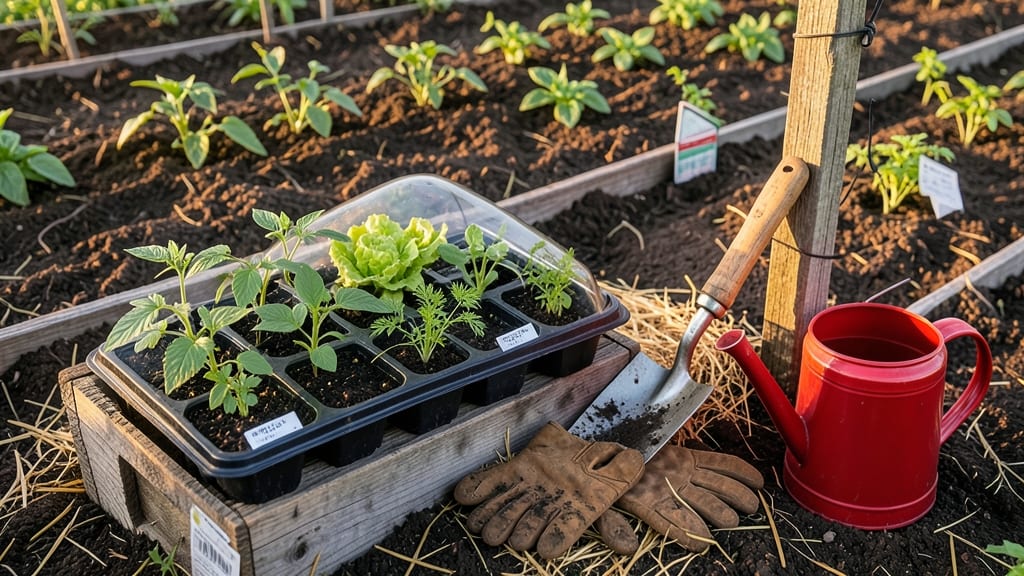
Planting a vegetable garden in North Carolina depends on your heat zone and last-frost dates — get it wrong, and you’ll either lose seedlings to frost or watch them bolt in the summer heat.
North Carolina’s diverse climate—from the mountains to the coast—means your vegetable garden’s success hinges on timing. Plant too early, and frost will wipe out your seedlings; too late, and summer heat could stifle growth.
Coastal areas like Wilmington (Zone 8a) can start warm-season crops like tomatoes in early March, while the mountains (Zone 7b) may need to wait until mid-April. Below, I’ll break down the exact windows for your region, plus how to adjust for late frosts or early heat.
You’ll learn which vegetables to plant by month, how to use row covers for extra protection, and when to fertilize for maximum yield—so you can finally grow a garden that thrives, not just survives.
NC last-frost dates by region: coastal vs. Piedmont vs. Mountains
North Carolina’s last-frost dates vary dramatically across its three distinct regions—Coastal Plain, Piedmont, and Mountains—each with unique microclimates.
The Coastal Plain (Zone 8a/8b) typically sees its last frost around March 15-April 1, while the Piedmont (Zone 7b/8a) averages April 1-April 15, and the Mountains (Zone 6b/7a) can linger until May 1-May 15.
These differences mean your spinach might thrive in Wilmington by March, but wait until May in Asheville.
Understanding these heat zone maps is critical because planting warm-season crops like tomatoes too early in the Mountains risks frost damage, while coastal gardeners might struggle with heat stress if they delay planting until June.
The USDA Plant Hardiness Zone Map for NC breaks down into 10 zones, but local variations—like urban heat islands or valley frosts—can shift your planting windows by weeks.
Here’s how to use these last-frost dates to plan your garden: For cool-season crops like broccoli or peas, start seeds indoors 4-6 weeks before your region’s last frost.
For warm-season crops like peppers or eggplants, wait until 2 weeks after your last frost to transplant seedlings, ensuring soil temperatures exceed 60°F.
🌱
In the Coastal Plain, where zones 8a/8b dominate, you can plant warm-season crops like cucumbers as early as April 15, but be prepared for hurricane risks in late summer.
The Piedmont, spanning zones 7b/8a, offers a balanced window—ideal for tomatoes and peppers—but watch for late frosts in April. Mountain gardeners in zones 6b/7a should delay planting until after May 15 and consider cold frames to extend seasons.
For cool-season crops, like lettuce or radishes, start seeds in the Coastal Plain by February, but wait until mid-April in the Mountains.
A general rule: direct-sow hardy greens 3 weeks before your last frost, while transplanting seedlings of broccoli or cabbage 2 weeks before ensures they establish roots before heat arrives.
Microclimates play a huge role. A south-facing slope in the Piedmont might warm 2 weeks earlier than a shaded valley, while coastal sea breezes can delay frost but also increase humidity, fostering fungal diseases in tomatoes.
Use NC State Extension’s frost maps and adjust your planting calendar accordingly—especially if you’re in a transition zone like the Sandhills.
Pro tip: If you’re unsure about your exact last-frost date, use the 50%
Best vegetables to plant by month in North Carolina (with heat Zone overlays)
North Carolina’s 10 heat zones create unique planting windows—coastal areas like Wilmington (Zone 8b) can start warm-season crops weeks earlier than the mountains (Zone 7b). The key? Align your calendar with last-frost dates and soil temperature thresholds (e.g., tomatoes need 60°F soil).
Below is a month-by-month guide for 12 staple vegetables, with adjustments for NC’s three main regions.
Use this heat zone overlay chart to find your zone (NC State Extension’s interactive map is a game-changer). For example, peppers in Zone 7b (Asheville) wait until May 15, while Zone 8b (Wilmington) can plant by April 1.
Always verify with your local Cooperative Extension Service for microclimate tweaks.