
Planting
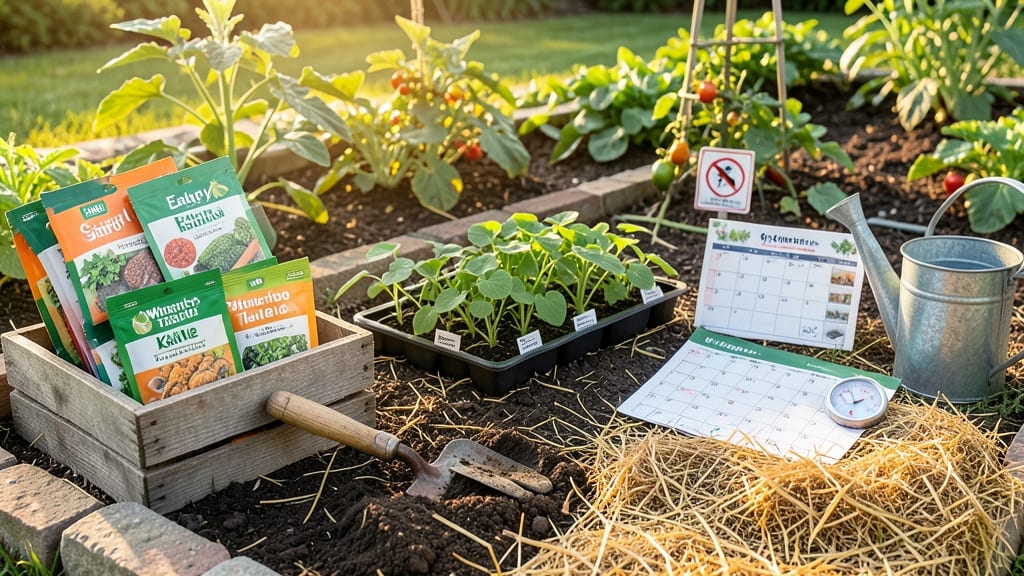
Planting a vegetable garden in New York at the right time means the difference between a thriving harvest and a sad pile of wilted seedlings 🌱.
New York’s unpredictable climate can make or break your vegetable garden—planting at the wrong time means wilted seedlings or stunted harvests. But timing it right guarantees a bountiful yield, whether you're growing tomatoes in Brooklyn or potatoes in the Hudson Valley.
With last frost dates ranging from late April in the city to mid-May upstate, knowing when to start seeds indoors versus direct-sowing outdoors is the key to success. Cool-season crops like lettuce and spinach can handle early spring, while tomatoes and peppers need to wait until after the last frost.
Below, I break down the best planting windows for your region, how to extend your growing season, and which crops thrive in New York’s 5b-7a zones—so you can enjoy fresh veggies from spring to fall.
New York’s frost dates by region: critical planting windows for vegetables
New York’s diverse microclimates mean your last spring frost could arrive weeks earlier in the Hudson Valley than in Queens. Understanding these frost dates is key to avoiding frost damage and maximizing your garden yield.
For example, tomatoes planted too early in Brooklyn will bolt from cold snaps, while kale left too late in Upstate may rot before harvest. Let’s break down the planting windows by region so you can align your vegetable garden with nature’s schedule.
In the NYC metro area (Zone 7a), the average last frost typically falls between April 15 and May 1, while the first frost arrives around October 20 to November 5. This means you’ve got roughly 165 frost-free days to grow warm-season crops like peppers and eggplants.
Meanwhile, in the Hudson Valley (Zone 6a), frost dates shift earlier: April 1 to April 15 for spring and October 10 to October 25 for fall, giving you about 180 frost-free days.
Long Island (Zone 7b) sits in between, with April 10 to April 25 for spring and October 15 to November 1 for fall.
Here’s a region-specific planting calendar to help you time your cool-season crops (like spinach and carrots) and warm-season crops (like tomatoes and beans) perfectly. Cool-season crops thrive when soil temperatures are below 60°F, while warm-season crops need soil above 60°F to germinate successfully.
| Region | Last Spring Frost | First Fall Frost | Cool-Season Planting Window | Warm-Season Planting Window |
|---|---|---|---|---|
| NYC Metro (Zone 7a) | April 15 - May 1 | October 20 - November 5 | March 15 - April 15 | May 15 - June 15 |
| Hudson Valley (Zone 6a) | April 1 - April 15 | October 10 - October 25 | March 1 - April 1 | May 1 - June 1 |
| Long Island (Zone 7b) | April 10 - April 25 | October 15 - November 1 | March 10 - April 10 | May 10 - June 10 |
For cool-season crops, plant hardy greens like spinach and kale as soon as the soil is workable—often as early as late February or March under row covers. In the NYC metro, aim to sow lettuce and radishes by March 15 for an early harvest.
If you’re in the Hudson Valley, you can push this even earlier to March 1.
Warm-season crops like tomatoes, peppers, and cucumbers need to wait until after your region’s last frost date. In NYC, this means holding off until May 15 at the earliest.
To give these heat-lovers a head start, begin indoor seedlings in March and transplant them outdoors once soil temperatures hit 60°F. For Long Island, you can transplant slightly earlier, around May 10.
Don’t forget about fall planting! Many cool-season crops thrive in the cooler temperatures of late summer and fall. In the NYC metro, you can direct-sow broccoli and Brussels sprouts as late as July 15 for a harvest before the first frost.
In the Hudson Valley, extend this window to August 1 to take advantage of the slightly later frost dates.
Pro tip: Use frost cloth or row covers to protect tender seedlings if an unexpected late frost threatens. This can buy you an extra 2-3 weeks of growing time for warm-season crops like eggplants or squash. Always check your local weather forecast and adjust your planting schedule accordingly.
Timing your vegetable garden correctly isn’t just about avoiding frost—it’s about optimizing your harvest schedule so you’re not left with overripe produce or underwhelming yields.
By following these region-specific frost dates, you’ll set your garden up for success from the first seedling to the last harvest of the season.
Start planning now, and you’ll be well on your way to a bountiful New York vegetable garden! 🌱
Best vegetables to plant in New York by season: cool vs. warm-season crops
New York’s diverse microclimates mean your Brooklyn brownstone and Hudson Valley homestead share the same goal: maximizing harvests by matching vegetables to seasons. Cool-season crops thrive in spring and fall, while warm-season lovers need summer’s heat.
Let’s break down the best month-by-month planting schedule to keep your garden productive year-round.
Start with cool-season vegetables like spinach and kale—they handle light frosts and even snow cover. These hardy greens can be sown as early as March in protected beds or under row covers.
Meanwhile, root vegetables like carrots and beets love cool soil, so plant them 4-6 weeks before your last frost date (typically late April to early May in NYC).
🌱 New York Planting Timeline by Season
- March-April (Cool Season): Sow spinach, kale, peas, and lettuce—they tolerate light frosts and even snow. Start onions and leeks indoors for transplanting in May.
- May-June (Transition): Plant radishes, turnips, and early potatoes as soon as soil warms. Begin hardening off tomato and pepper seedlings for outdoor transplanting after last frost (late May to early June).
- June-July (Warm Season): Transplant tomatoes, peppers, eggplants, and squash. Sow beans, corn, and cucumbers directly into well-warmed soil. Avoid planting cool-season crops unless using shade cloth.
- July-August (Fall Prep): Start second plantings of cool-season crops like kale, carrots, and beets for fall harvests. Succession plant lettuce and radishes every 2-3 weeks for continuous yields.
- September-October (Late Cool Season): Plant Brussels sprouts, broccoli, and cabbage—they thrive in cool fall weather. Extend the season with row covers or cold frames to protect tender greens.
For warm-season vegetables, timing is everything. Tomatoes and peppers need consistent warmth, so wait until after the last frost (usually late May to early June) to transplant seedlings.
If you’re starting seeds indoors, begin 8-10 weeks before the last frost date. Corn and beans also prefer warm soil, so plant them after Memorial Day for best results.
Don’t overlook succession planting—it’s the secret to a non-stop harvest. For example, sow radishes every 2 weeks from April to August for a steady supply. Similarly, lettuce and bush beans benefit from multiple plantings to stretch your harvest window.
This technique works especially well for quick-maturing crops like bush beans and radishes.
Pro tip: Use mulch to regulate soil temperature. A 2-inch layer of straw keeps cool-season crops from bolting in hot springs and helps warm-season plants establish roots faster. In fall gardens, mulch also protects root vegetables from frost heave and keeps soil moist longer.
By following this seasonal planting guide, you’ll avoid the common mistakes of planting too early or too late. Whether you’re a beginner gardener or a seasoned pro, these timing tips will help you grow a productive, year-round vegetable garden in New York’s unpredictable climate. 🌱