
Planting
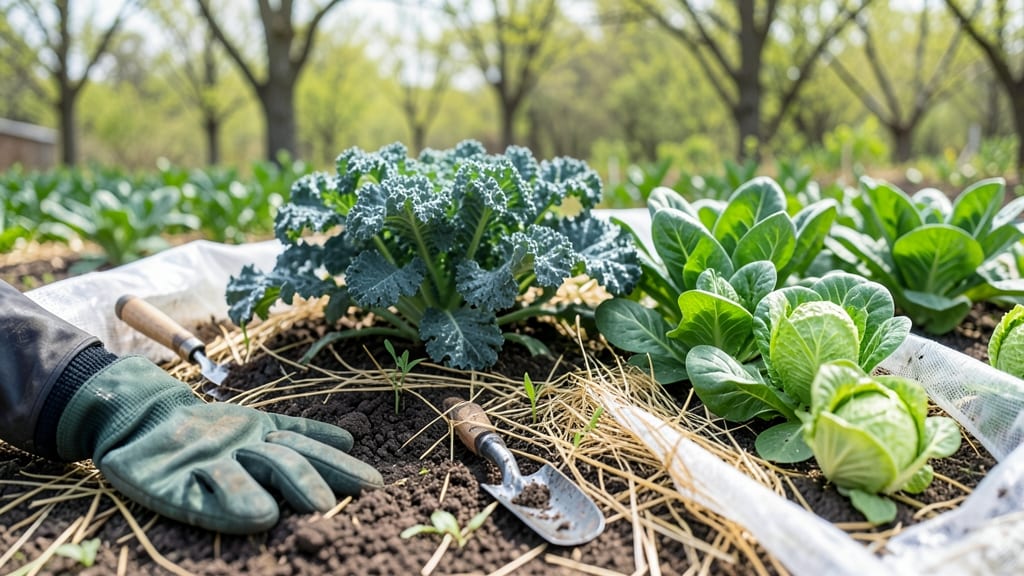
Planting a winter garden in Florida between September and November 🥬 unlocks a bounty of fresh produce when most gardens are dormant—but the timing can’t be wrong.
Here’s the catch: Florida’s mild winters mean no frost, but heat stress still ruins crops if you plant too early. Too late, and you miss the sweet spot for maximum yields. One wrong move, and you’re staring at wilted greens or bolting herbs.
This guide cuts through the guesswork with a science-backed planting schedule tailored to Florida’s microclimates, from North Florida’s cooler pockets to South Florida’s extended growing season. No more second-guessing when to sow your broccoli or spinach.
You’ll learn the exact monthly windows for each crop, how to adjust for your county’s heat units, and the five mistakes that tank even the most promising winter garden—so you can grow like a pro.
Optimal planting windows for Florida’s winter garden by crop type
Florida’s winter garden thrives when you align planting with cool-season crop needs and heat avoidance. Unlike northern climates, Florida’s mild winters (60-75°F) allow year-round growing—but timing is critical to prevent heat stress or premature bolting.
Start too early in summer, and your leafy greens bolt; too late, and you miss the harvest window before spring heat returns.
For heat-tolerant varieties, focus on September-November planting. This schedule ensures crops establish roots in cooler temperatures while avoiding late-summer heat. South Florida’s extended growing season lets you push boundaries, but North Florida’s cooler microclimates demand earlier starts.
Below, I’ve broken down the best planting windows by crop type, including herbs, greens, and root vegetables that thrive in Florida’s winter conditions.
Pro Tip: Use shade cloth (30-50%) for heat-sensitive crops in South Florida’s warmer winters. This buys you 2-3 extra weeks of ideal growing conditions before spring heat arrives.
For leafy greens like lettuce and spinach, aim for September-October planting to avoid bolting from late-summer heat. These crops prefer 60-70°F days and 50-60°F nights, making them ideal for Florida’s coolest months (December-February). Use shade cloth in South Florida to extend the window by 2-3 weeks.
Root vegetables like carrots and beets need October-November starts to mature before spring heat. Loosen soil to prevent forking, and mulch heavily to retain moisture in Florida’s dry winter air. For North Florida, plant 2 weeks earlier to account for cooler microclimates.
Brassicas such as broccoli and cauliflower thrive when planted in September-October. These heat-sensitive crops need consistent moisture and well-draining soil to prevent rot. In South Florida, use
How to adjust planting dates based on Florida’s microclimates
Florida’s winter planting calendar isn’t one-size-fits-all—your North Florida garden faces different challenges than South Florida or Central Florida zones. The official last frost date (often cited as December 15 for Zone 8a) is just a starting point.
Microclimates created by elevation, water bodies, and urban heat can shift your ideal planting window by weeks. For example, Jacksonville’s coastal breezes may let you plant kale 2 weeks earlier than inland Gainesville, while Miami’s humidity demands faster-maturing varieties to avoid fungal diseases.
To fine-tune your schedule, focus on three key factors: heat units (growing degree days), soil temperature, and local weather patterns. Most Florida gardeners use the 1000-1200 growing degree days threshold for cool-season crops—count these from your average 60°F soil temperature.
North Florida’s cooler zones (like Zone 8a) may need to start seeds indoors by mid-September, while South Florida’s Zone 10b can direct-sow until early December without frost risk.
| Region | Key Microclimate Factors | Adjust Planting Dates By | Example Crops | Tools to Track |
|---|---|---|---|---|
| North Florida (Zone 8a) | Cooler nights, higher elevation, occasional frost risk | Start seeds 2-3 weeks earlier (indoors by mid-September) | Broccoli, cabbage, peas | USDA Frost Map, local weather stations |
| Central Florida (Zone 9a) | Humidity spikes, shorter cool season, urban heat islands | Plant 1-2 weeks later (avoid September heat stress) | Spinach, lettuce, Swiss chard | Growing Degree Day calculators, soil thermometers |
| South Florida (Zone 10b) | Extended growing season, high humidity, hurricane risks | Direct-sow until early December; use shade cloth | Collard greens, mustard, turnips | NOAA Climate Data, hurricane season alerts |
| Coastal Areas | Salt spray, wind, cooler ocean breezes | Plant 1 week earlier (breezes delay heat stress) | Kale, arugula, radishes | Tide charts, wind speed apps |
For precise adjustments, use local heat unit tracking tools like the University of Florida’s IFAS Extension heat unit calculator or apps like Gardenate. These account for your specific latitude, elevation, and recent weather—far more accurate than generic frost dates.
For example, if your Gainesville garden hit 85°F in late October, delay planting heat-sensitive lettuce by 2 weeks or choose bolt-resistant varieties like Romaine.
Don’t overlook soil temperature—cool-season crops like carrots need soil at 60°F to germinate, while peas thrive at 50-60°F. Use a soil thermometer ($10 at garden centers) to verify readiness.
In South Florida, where soil stays warm year-round, focus on shade-tolerant crops like Swiss chard or collards to avoid bolting.
Pro tip: Succession plant every 2-3 weeks to extend harvests. In North Florida, start a second planting of spinach in early November for a January harvest, while South Florida gardeners can sow radishes monthly until February.
Always check 7-day forecasts before planting—avoid sowing during predicted 90°F+ days, even in winter.
Remember, Florida’s winter garden isn’t just about avoiding frost—it’s about balancing heat, humidity, and daylight. By aligning your planting dates with your microclimate’s unique rhythm, you’ll turn Florida’s mild winters into a high-yield, low-stress growing season. 🌱