
Planting
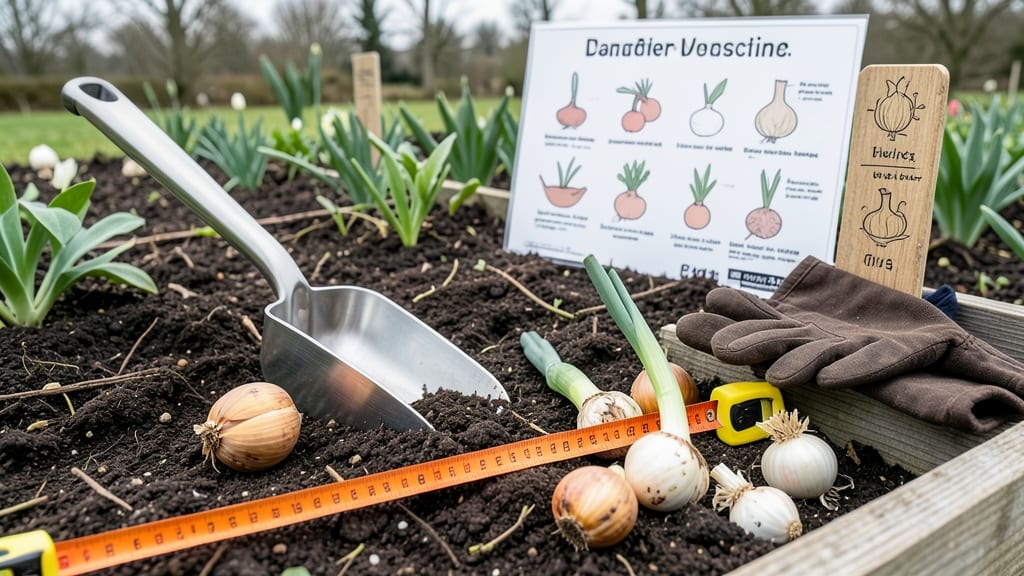
Planting bulbs in the garden at the right time ensures vibrant blooms next spring—6-8 weeks before your first frost is the golden window for fall planting, while spring planting waits until after the last frost.
Picture this: you’ve spent months dreaming of a burst of color, only to wake up to wilted sprouts because you planted too early. Or worse, bulbs rotting in soggy soil from a late start.
The difference between a showstopping display and a flop often comes down to timing—and knowing your hardiness zone.
In USDA Zone 6a, like many temperate climates, fall planting typically means getting bulbs in the ground by late September or early October. But regional variations, soil temperatures, and even bulb types (tulips vs. daffodils) can shift that window.
Below, I’ll break down the exact frost-date math, common mistakes to avoid, and how to adjust for your specific garden.
You’ll also discover a seasonal checklist for soil prep, depth, and spacing—plus how to salvage bulbs planted at the wrong time. Let’s turn your garden into a blooming masterpiece, one perfect timing decision at a time.
How to determine the best planting time by hardiness zone
Understanding your USDA hardiness zone is the first step to planting bulbs successfully. These zones, numbered 3-10, divide the U.S. into regions with similar average minimum temperatures, which directly impact when you should plant.
For example, gardeners in Zone 5 face earlier frosts than those in Zone 8, meaning their planting windows shift significantly. Always check your zone using the USDA Plant Hardiness Zone Map—it’s your gardening GPS!
Most bulbs, like tulips and daffodils, thrive when planted in fall—typically 6-8 weeks before the first frost. This timing allows roots to establish before winter dormancy. However, spring-planted bulbs (like caladiums or cannas) need to wait until after the last frost date.
Use a frost-date calculator to pinpoint these critical dates for your area—it’s a game-changer for precision planting!
Soil temperature is another key factor. Bulbs like hyacinths prefer soil temps between 40°F and 50°F at planting time. If your soil is too warm, roots may rot before winter.
In warmer zones (7-10), fall planting might be risky—opt for late summer or early fall instead. Always test soil temps with a soil thermometer to avoid costly mistakes.
Microclimates can also throw off your timing. A south-facing slope warms up faster than a shady valley, delaying frost. If your garden has these variations, adjust planting dates by 2-4 weeks. For instance, Zone 6 gardeners in sheltered microclimates might plant bulbs in early October, while those in exposed areas should wait until mid-November.
Here’s how to calculate your ideal planting window: 1. Find your first frost date (use the USDA calculator). 2. Subtract 6-8 weeks for fall planting. 3. For spring, add 2-4 weeks after your last frost date.
4. Adjust 1-2 weeks earlier for early-blooming varieties (like crocuses) or later for late bloomers (like alliums).
| USDA Zone | Fall Planting Window | Spring Planting Window | Soil Temp Requirement | Key Bulb Examples |
|---|---|---|---|---|
| Zones 3-4 | Mid-September to early October | Late April to May | 40°F–50°F | Tulips, daffodils, crocuses |
| Zones 5-6 | Late September to mid-October | Early May | 45°F–55°F | Hyacinths, alliums, fritillaries |
| Zones 7-8 | October to November | Late May to June | 50°F–60°F | Daffodils, rain lilies, snowdrops |
| Zones 9-10 | November to December | June to July | 55°F–65°F | Calla lilies, cannas, daylilies |
Early frosts can sneak up on you, especially in northern zones (3-5). If temperatures drop unexpectedly, cover bulbs with straw or mulch to protect them. Conversely, in southern zones (9-10), late frosts might delay spring planting. Monitor local weather forecasts and adjust your schedule—flexibility is key!
For warm-zone gardeners (7-10), fall planting might feel risky. Instead, plant bulbs in late summer or early fall when soil temps cool. Use shade cloth to protect newly planted bulbs from intense afternoon sun.
In Zone 10, some bulbs (like rain lilies) can even be planted in winter!
Don’t forget to account for bulb dormancy periods. Most need 12-16 weeks of cold to bloom reliably. If you live in a mild-winter zone (8-10), consider pre-chilling bulbs in the fridge for 8-10 weeks before planting. This mimics natural winter conditions and ensures vibrant blooms the following season.
Pro tip: Mark your calendar with three key dates each year—your first frost, last frost, and the ideal planting window. Set phone reminders or use a
Best planting months for popular bulb varieties (fall vs. spring)
Deciding whether to plant bulbs in fall or spring depends on the bulb type and your hardiness zone. Most classic spring-blooming bulbs like tulips and daffodils thrive when planted in fall, while warm-zone gardeners often plant in late winter or early spring.
Let’s break down the best months for your favorite bulbs and why timing matters so much.
Fall planting gives bulbs a head start, allowing roots to establish before winter dormancy. Spring planting works best for bulbs like caladiums or cannas, which prefer warmer soil. The key is matching the bulb’s natural growth cycle to your climate.
For example, tulips planted in October in Zone 5 will bloom beautifully next spring, while planting them in March risks weak growth.
Fall Planting vs. Spring Planting
Fall Planting
- Pros: Roots establish before winter
- Pros: Best for cold-hardy bulbs
- Pros: Lower risk of pests
Spring Planting
- Pros: Ideal for warm-zone bulbs
- Pros: Flexibility for late bloomers
- Pros: Avoids winter planting risks
Cons:
- Cons: Limited window before frost
- Cons: Risk of rot if planted too late
Cons:
- Cons: Slower establishment
- Cons: Higher pest risk in spring
Tulips and hyacinths are classic fall-planted bulbs, thriving when planted 6-8 weeks before the first frost. In Zone 5, that’s typically September to early October. For warm-zone gardeners (Zones 8-10), plant these in late winter—just as spring approaches—to avoid summer heat stress.
Daffodils and alliums are more forgiving, tolerating both fall and spring planting. However, fall planting ensures stronger blooms the following year. Crocuses, the earliest spring bloomers, should go in fall in cooler zones, while gladiolus and dahlias wait until spring in most regions.
To extend your bloom season, layer bulbs with different planting times. For example, plant tulips in fall for early spring color, then add alliums in spring for late-season height and drama. This creates a continuous display from March through June.
For warm-zone gardeners, focus on spring-planted bulbs like caladiums or rain lilies, which thrive in heat. These bulbs need consistent moisture and partial shade to prevent dormancy. Always check your local last frost date and adjust planting times accordingly.
Experiment with a few bulbs each season to see what works best in your garden. With the right timing, you’ll enjoy vibrant blooms year after year—no matter your zone! 🌷