
Planting
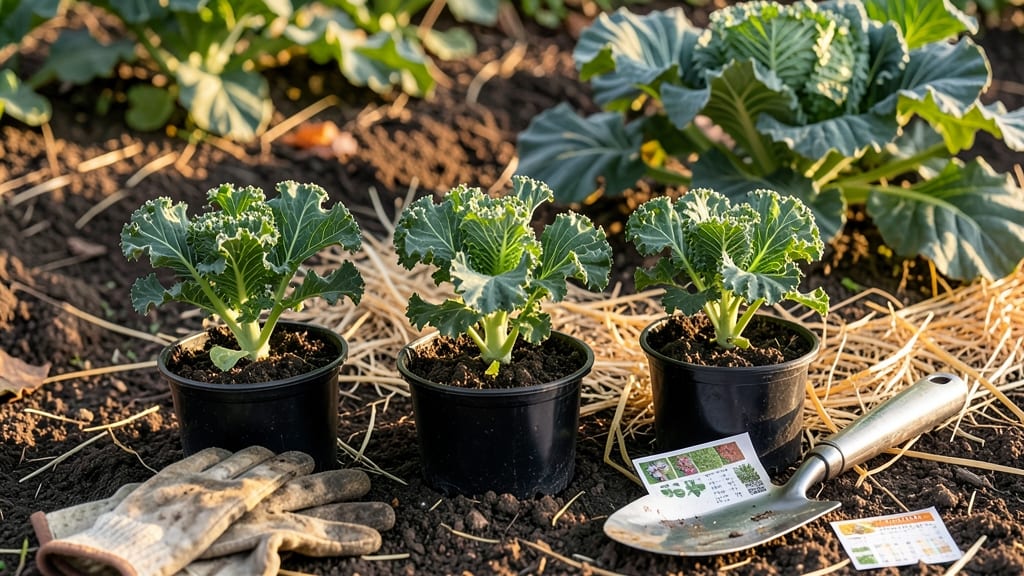
Planting a fall garden in Mississippi between mid-August and mid-October gives you a second chance at fresh produce before winter sets in 🌱 — but timing is everything to beat the first frost.
If you’ve ever watched your seedlings wilt overnight, you know how quickly the weather can turn. Mississippi’s USDA Zone 8a climate means you’ve got a narrow window to get cool-season crops in the ground, but get it right, and you’ll harvest leafy greens, root vegetables, and brassicas right through December.
Most gardeners in the Magnolia State wait until late August to start planting, but the exact dates depend on your microclimate. Too early, and you’ll face bolting or pests; too late, and frost will nip your plants before they mature.
Below, I break down the ideal planting schedule by crop, zone-specific adjustments, and how to stretch your harvest as long as possible.
You’ll learn which vegetables thrive when planted in August, which need September starts, and how to protect your garden from early cold snaps. With these strategies, you’ll turn Mississippi’s warm fall days into a bountiful harvest instead of a missed opportunity.
Mississippi fall planting dates by hardiness Zone: exact timing for success
Mississippi’s three USDA hardiness zones (7a, 7b, 8a) create unique planting windows for fall gardens. Understanding your zone ensures you plant cool-season crops like broccoli and kale at the perfect time—before first frost arrives.
In Zone 7a, expect frost around November 15, while Zone 8a gardens can push crops later, until mid-December.
For direct-sown seeds, timing matters most—plant 6-8 weeks before frost for a harvest before winter. Transplants like cabbage or Brussels sprouts need even earlier starts, often 4-6 weeks before your seed-sowing window.
My Zone 7b garden thrives with late August starts for most fall crops, but adjustments are key for each zone.
First frost dates vary slightly by zone: Zone 7a (Nov 15), Zone 7b (Nov 20), and Zone 8a (Dec 1). Use these as your planting deadlines—count backward from frost to determine your ideal sowing window. For example, if frost hits Nov 15, plant leafy greens by late September to harvest before cold sets in.
| Zone | First Frost | Seed Sowing Window | Transplant Window | Example Crops |
|---|---|---|---|---|
| 7a | Nov 15 | Mid-Aug to Sep 15 | Late Jul to Aug 15 | Broccoli, Kale, Spinach |
| 7b | Nov 20 | Late Aug to Sep 20 | Early Aug to Aug 20 | Carrots, Lettuce, Radishes |
| 8a | Dec 1 | Late Aug to Oct 1 | Early Aug to Sep 1 | Collards, Turnips, Beets |
In Zone 7a, my late August starts for direct-sown seeds like lettuce and radishes yield harvests by October.
For transplants, I begin in early August to give crops time to establish roots before cooler weather. Zone 8a gardeners have the luxury of extending planting until early October, but avoid sowing too late—slow growth in fall can leave crops vulnerable to frost.
Soil temperature is critical—cool-season crops thrive in 50-70°F soil. Test your soil’s temperature before planting; if it’s above 80°F, wait a week or two.
In my Zone 7b garden, I often mulch heavily in late summer to cool the soil and create ideal conditions for fall planting.
For seed-starting indoors, begin 4-6 weeks before your outdoor sowing window. For example, if you’ll plant outdoors in late August, start seeds indoors by mid-July. Use grow lights to supplement weak summer sunlight and harden off seedlings before transplanting.
Mississippi’s humidity and heat can stress fall crops if planted too early. Watch for bolting in lettuce or bitter flavors in greens—signs your plants are struggling with summer’s lingering heat. Shade cloth can help, but timing is your best defense.
Don’t forget succession planting—sow fast-maturing crops like radishes every 2 weeks from August through September. This ensures a continuous harvest until frost. My Zone 7b garden often includes three radish plantings: early August, mid-September, and late September.
Finally, protect your investment with row covers or cold frames if frost threatens early. In Zone 7a, I’ve saved entire kale harvests by covering plants with floating row covers during unexpected cold snaps in November.
With these zone-specific dates, you’ll avoid the common mistakes of planting too early (heat stress) or too late (frost damage). My fall garden consistently produces bountiful harvests when I follow this timing—now it’s your turn to try! 🌱
Best fall vegetables for Mississippi gardens and their ideal planting months
Mississippi’s fall garden thrives when you plant the right crops at the perfect time. Unlike spring, fall offers a longer growing window before first frost, but timing is critical.
Cool-season vegetables like collards and kale perform best when planted in late summer, while fast growers like radishes can handle later starts. Let’s dive into the best options and their exact planting schedules.
For Mississippi’s Zone 8a, the ideal window spans from mid-August to mid-October. This schedule ensures crops mature before November’s first frost. Leafy greens and root vegetables are top performers, but some crops—like broccoli—need extra care to survive light frosts.
Below, I’ve outlined the best fall vegetables and their precise planting months for a productive harvest.
Plant: Mid-August to September
Harvest: October to December
Tip: Thrives in cool weather and tastes sweeter after light frost.
Plant: Late August to early October
Harvest: October to November
Tip: Use row covers to extend harvest into winter.
Plant: Mid-August to September
Harvest: October to December
Tip: Loosen soil deeply to prevent forked roots.
Plant: Late August to October
Harvest: 30-45 days after planting
Tip: Fast-growing—perfect for late-season success.
Plant: Late August to September
Harvest: October to November
Tip: Bolt-resistant varieties like 'Bloomsdale' work best.
Plant: Mid-August to early September
Harvest: October to November
Tip: Use mulch to protect from light frosts.
Plant: Late August to September
Harvest: October to December
Tip: Both greens and roots are edible and delicious.
To extend your harvest, consider succession planting fast growers like radishes every 2-3 weeks after your initial planting. For heartier crops like collards or kale, a light frost actually improves flavor, so don’t rush to harvest them too early.
Just be sure to protect tender crops with row covers or cold frames if frost threatens before they’re ready.
Mississippi’s mild winters mean you can often keep harvesting well into December if you choose the right crops and protect them properly. Start with these cool-season favorites, and you’ll enjoy fresh, homegrown vegetables long after summer’s heat fades. Happy planting! 🌱