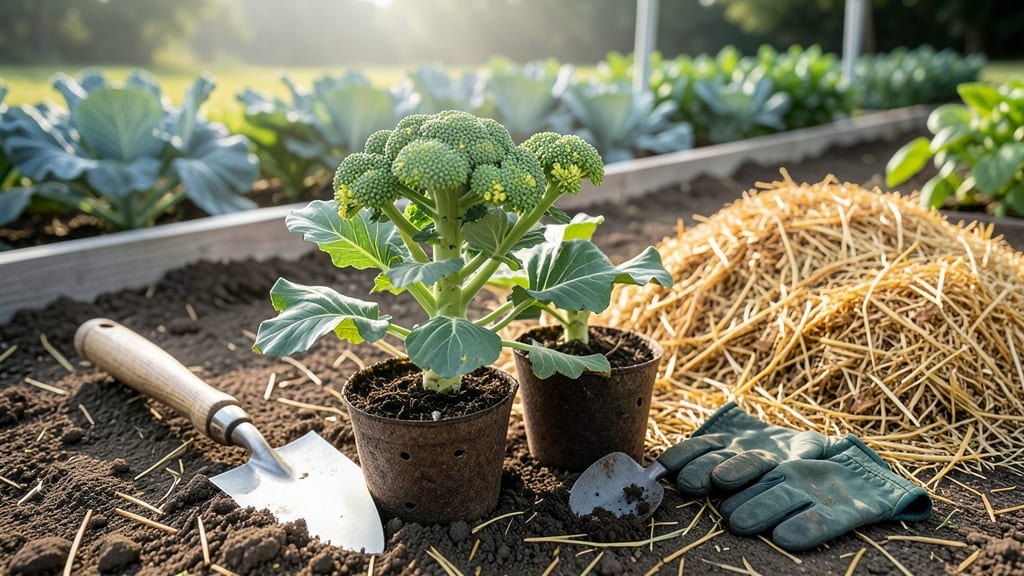
Planting a fall garden in Zone 7 means timing is everything—your 4-6 weeks before first frost window opens in mid-August and closes by mid-September.
Missed the spring planting rush? Zone 7 gardeners can still grow a thriving fall harvest—but timing is everything. Plant too early, and your 🥬 veggies bolt in the heat; too late, and frost ruins your bounty.
Here’s your precise planting schedule for a frost-free fall garden, tailored to Zone 7’s unique climate quirks. We’ll cover everything from cool-season crops like broccoli and kale to warm-season holdovers like tomatoes and peppers, plus the exact dates to transplant for maximum yield.
Learn how to extend your harvest season with succession planting and frost protection hacks, so you can enjoy fresh produce straight from your garden until the first hard freeze.
🥬When to Plant Fall Garden Vegetables Garden Vegetables
Jan❄️
Feb❄️
Mar🌱
Apr🌱
May🌸
Jun☀️
Jul🌱
Aug🥬
Sep🥬
Oct🌱
Nov🍂
Dec❄️
Ideal Time
Also Good
Zone 7 fall planting calendar: exact dates by vegetable type for maximum yield
Fall gardening in Zone 7 is all about strategic timing. The key is planting cool-season crops early enough to mature before frost, while still giving warm-season holdovers enough time to thrive.
In Zone 7, the first frost typically arrives between mid-October and early November, so your planting window is tight but doable with precision.
For cool-season vegetables like broccoli, kale, and spinach, aim to plant 4-6 weeks before your first frost date. This usually means starting in late August to early September.
Meanwhile, warm-season crops like tomatoes and peppers need to be planted earlier—ideally by mid-July—to give them enough time to mature before cooler temperatures set in.
Here’s your Zone 7 fall planting calendar, broken down by crop type, including direct sowing and transplanting dates. Adjust for your specific microclimate—cooler areas may need earlier plantings, while hotter spots can stretch dates slightly.
Zone 7 Fall Planting Calendar
Crop Type
Direct Sow
Transplant
Last Chance
Frost Risk
Cool-Season Crops
Late Aug - Early Sept
Mid-Aug - Late Aug
Early Sept
Low (4-6 weeks before frost)
Broccoli
Late Aug - Early Sept
Mid-Aug - Late Aug
Early Sept
Moderate (needs 60+ days)
Kale
Late Aug - Early Sept
Mid-Aug - Late Aug
Early Sept
Low (tolerates light frost)
Spinach
Late Aug - Early Sept
Mid-Aug - Late Aug
Early Sept
High (bolts quickly)
Warm-Season Holdovers
N/A
Mid-July - Early Aug
Early Aug
High (sensitive to frost)
Tomatoes
N/A
Mid-July - Early Aug
Early Aug
High (dies in frost)
Peppers
N/A
Mid-July - Early Aug
Early Aug
High (needs warmth)
Beans
Late July - Early Aug
N/A
Early Aug
Moderate (tolerates cooler temps)
Note: Adjust dates 1-2 weeks earlier for cooler microclimates or later for hotter areas.
How to extend your fall garden season: succession planting and frost protection hacks
Fall gardens in Zone 7 don’t have to end with the first frost. With the right succession planting and frost protection strategies, you can push your harvest into late November—or even December.
The key is understanding how to stagger plantings for continuous yields and when to deploy protective gear based on 10-day weather forecasts.
For leafy greens like spinach and kale, I recommend sowing seeds every 2 weeks starting in early August. This ensures a steady supply of fresh greens while older plants mature.
Meanwhile, root crops such as carrots and radishes can be planted in mid-September for a late harvest before hard frost sets in.
Row Covers
✅ Cost-effective ($10-$30)
✅ Easy to install (no tools needed)
✅ Extends season by 4-6 weeks
⚠️ Limited airflow (may need ventilation)
Cold Frames
✅ Long-term protection (months-long)
✅ Reusable year-round ($50-$150)
✅ Protects from light frost (down to 25°F)
⚠️ Higher upfront cost
Emergency Frost Blankets
✅ Quick deployment (under 5 mins)
✅ Budget-friendly ($15-$25)
✅ Works for spot protection
⚠️ Not for prolonged use
When deciding which method to use, check your 10-day forecast for overnight lows. If temperatures dip below 32°F but stay above 25°F, a row cover is your best bet. For prolonged cold snaps or sub-25°F nights, opt for a cold frame or hoop house.
I’ve had great success with floating row covers (like Reemay fabric) for greens, which I drape over hoops and secure with bricks.
For warm-season holdovers like tomatoes and peppers, focus on succession transplanting in late August. Plant quick-maturing varieties (like Early Girl tomatoes) to ensure they ripen before frost. Pair this with a black plastic mulch to absorb heat and extend the growing season by 2-3 weeks.
Pro tip: Monitor your soil temperature—it should stay above 50°F for cool-season crops to germinate properly. Use a soil thermometer to avoid planting too early when soils are still warm.
If you’re in Zone 7b (warmer microclimate), you can push your last plantings into early October, but be ready to cover plants if frost is forecasted within 5 days.
Don’t forget to harvest regularly to encourage new growth. For baby greens, cut outer leaves to keep plants producing until frost. And if all else fails, dig up mature plants before hard frost hits—they’ll often survive indoors for weeks if given proper light and care.