
Planting
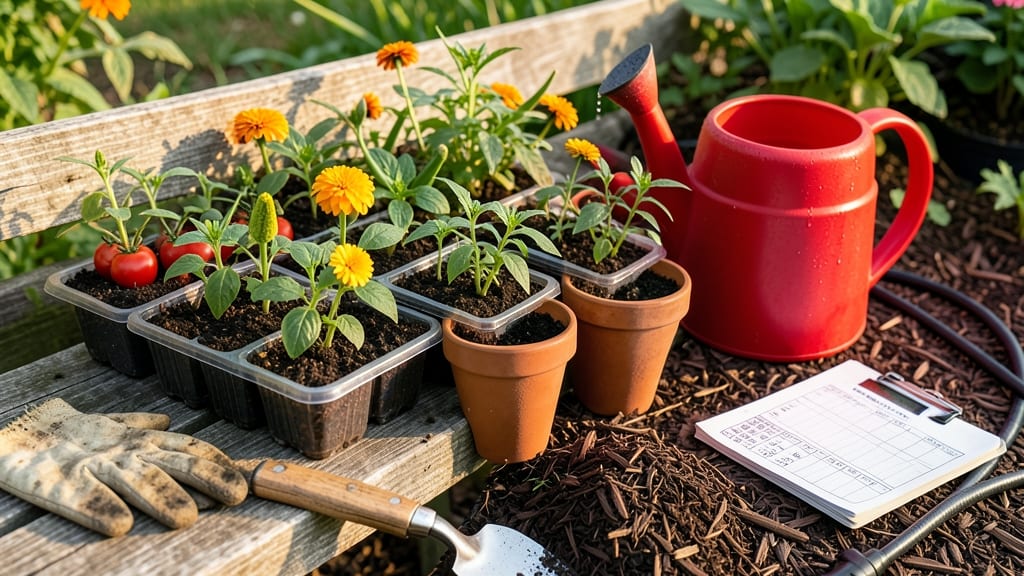
Planting a garden in Central Texas means timing is everything—get it right, and you’ll harvest through the summer; miss it, and even the toughest plants struggle in the heat.
Central Texas gardeners face a brutal growing season—scorching summers and unpredictable freezes—but timing your plantings correctly can turn your yard into a zero-waste, high-yield oasis. Miss the window, and even heat-tolerant crops will wilt before they thrive.
Spring is your best bet, but not all plants play well together. Cool-season veggies like lettuce and peas need early starts, while heat-lovers such as okra and sweet potatoes wait until the soil warms up.
The key? Knowing when to start seeds indoors, when to transplant, and how to stretch the season with shade and mulch.
In this guide, I’ll break down the exact months for planting vegetables, herbs, and flowers that thrive in Texas heat—plus zero-waste tips to keep your garden productive all season long.
Central Texas planting calendar: exact months for heat-tolerant crops by season
Central Texas gardeners know the drill: long, brutal summers and unpredictable freezes can make planting feel like a high-stakes game. But with the right timing, you can grow a zero-waste garden that thrives year-round.
The key? Planting when soil temps and frost dates align with your crops' needs—no more wasted seeds or wilted dreams.
Most Central Texas regions (think Austin, San Antonio, and Waco) fall in USDA Zones 8a-9a, meaning we have 300+ frost-free days in ideal years. That’s plenty of time to grow heat-tolerant crops like okra, sweet potatoes, and black-eyed peas—but only if you plant at the right moment.
Below, I’ve broken down the exact month-by-month windows for your garden, including soil prep tips and zero-waste hacks to maximize your harvest.
Pro tip: Use mulch to retain moisture and drip irrigation to avoid water waste. Both tricks are game-changers in Texas heat!
For Central Texas, the last average frost date is typically February 15, while the first frost usually hits around November 30. But don’t let these dates fool you—some years, we get unexpected freezes as late as December or as early as January.
That’s why I recommend planting heat-tolerant crops like okra and sweet potatoes in late May or early June, when soil temps are consistently above 75°F.
If you’re growing cool-season crops like broccoli or kale, aim for September planting to harvest before winter sets in. These crops can handle light frosts (down to 25°F for some varieties), so they’re perfect for fall escapes.
Just be sure to mulch heavily to protect roots from temperature swings.
One of my favorite zero-waste tricks is succession planting. Instead of planting everything at once, stagger your leafy greens and radishes every 2-3 weeks in spring and fall. This ensures a continuous harvest and minimizes waste. Plus, it keeps pests from overrunning your entire crop at once!
For summer survivors, focus on deep-rooted plants like sweet potatoes and okra, which can handle 100°F+ temps with ease. Pair them with shade-loving herbs like cilantro or mint under a drip irrigation system to save water and reduce stress on your plants.
Don’t forget to test your soil before planting—Central Texas soil is often alkaline and clay-heavy, which can stunt growth. Amend with compost or aged manure to improve drainage and fertility.
If you’re using raised beds, fill them with a 50/50 mix of native soil and compost for best results.
Finally, keep an eye on pest pressure during peak growing months. Aphids and whiteflies love our heat, but a strong blast of water or a neem oil spray can keep them in check without harming your plants. And always
How to beat Central Texas heat: zero-waste gardening hacks for extended harvests
Central Texas summers can turn your garden into a sauna, but with the right strategies, you can extend your growing season and maximize yields without waste. The key lies in timing plantings, protecting soil moisture, and repurposing garden waste into nutrient-rich amendments.
Even heat-loving crops like okra and sweet potatoes need smart care to thrive when temperatures soar past 100°F.
One of my biggest mistakes early on was ignoring the soil temperature—planting too early in spring or too late in fall leads to stunted growth or complete failure. Instead, focus on seasonal adjustments like using shade cloths in peak summer or mulching heavily to retain moisture.
These tactics aren’t just about survival; they’re about zero-waste productivity that keeps your garden flourishing year-round.
- 🌱 Push Spring Plantings: Start heat-tolerant seeds like okra and black-eyed peas in late March (after last frost) and use row covers to protect seedlings from late freezes.
- ☀️ Extend Summer Growth: Install 30-50% shade cloth over beds in June-August to reduce soil temps by 10-15°F, allowing greens like collard greens to thrive.
- 💧 Optimize Watering: Switch to drip irrigation with soaker hoses to deliver water directly to roots, cutting evaporation by 30% compared to overhead sprinklers.
- 🌿 Repurpose Waste: Chop yard clippings and vegetable scraps into "green mulch" to smother weeds and add nitrogen-rich compost within 2 weeks.
- 🌡️ Fall Prep: Plant cool-season crops like broccoli and carrots in September when daytime highs drop below 90°F, avoiding bolting.
Another game-changer is drip irrigation. I used to waste gallons of water with sprinklers, but switching to a timed drip system saved me 50% on water bills while keeping roots hydrated.
Pair this with mulch made from composted leaves to lock in moisture and regulate soil temperature. This combo lets me grow tomatoes and peppers well into October without wilting.
Don’t overlook drought-resistant varieties. Plants like Texas Bluebonnet (the state flower) and chaya require minimal water once established, making them perfect for zero-waste landscapes. Even for edibles, opt for heat-set tomato varieties like 'Solar Fire' or okra 'Clemson Spineless'—they handle 100°F+ heat better than traditional types.
These choices reduce your need for constant intervention.
Common mistakes kill yields faster than heat does. I’ve seen gardens fail because of overwatering (which leaches nutrients) or ignoring soil pH (Central Texas clay is often alkaline, hurting acid-loving plants).
Test your soil in early spring and amend with sulfur or composted pine needles to balance pH. This small step can double your harvest success.
Finally, embrace seasonal succession planting. Instead of one big spring planting, stagger seeds every 2-3 weeks to ensure a continuous harvest. For example, plant bush beans in March, May, and July—each batch will mature before the next wave of heat hits.
This method maximizes space and minimizes waste by keeping your garden productive all season.