
Planting
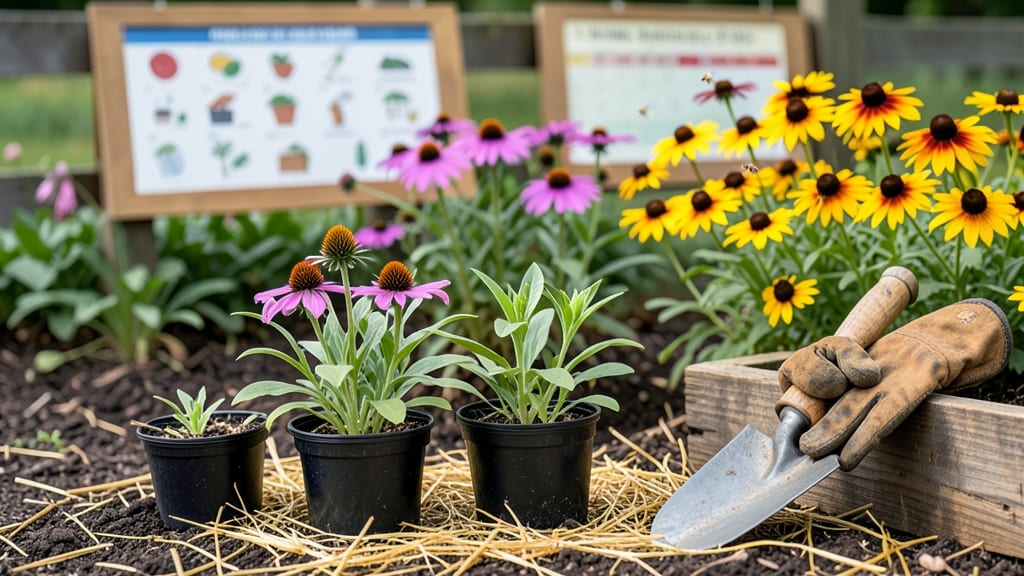
Planting your garden in Minnesota after the last frost — typically by May 15 — is the key to avoiding those heartbreaking late-spring freezes that turn tender seedlings into ice cubes.
Minnesota gardeners know timing is everything — plant too early and risk frost damage, too late and miss peak harvests. This 2024 guide reveals the exact frost-free windows for every plant type, from hardy greens to delicate flowers, so you can maximize your garden’s potential.
Whether you’re sowing cool-season crops like spinach in late April or waiting for soil to warm up for tomatoes in mid-June, knowing your USDA zone (4a-5a) and local frost dates makes all the difference.
Inside, you’ll find region-specific planting charts, succession planting tips, and pro tricks to extend your harvest into fall — because in Minnesota, every extra week counts.
Minnesota frost-free dates by region: when to plant cool-season vs warm-season crops
Minnesota’s five distinct climate zones create wildly different planting windows—what works in southern Minneapolis may fail in northern Duluth. Understanding your last frost dates is the key to avoiding frost damage while maximizing harvests.
Whether you’re growing cool-season greens like spinach or warm-season favorites like tomatoes, timing makes all the difference.
Minnesota spans USDA Zones 3-5, with frost-free dates ranging from early May in the south to late June in the north. The Northwest and Northeast regions often see frost as late as June 15, while the Southeast can safely plant warm-season crops by May 1.
This regional breakdown ensures you’ll know exactly when to start seeds indoors and transplant outdoors.
Below is your region-specific planting guide, including cool-season crops (like lettuce and peas) that thrive in 50°F soil and warm-season crops (like tomatoes and peppers) that need 60°F+ soil. Use these dates as your planting calendar, but always check your local Almanac frost predictions for adjustments.
For cool-season crops like lettuce, peas, and spinach, start seeds indoors 4–6 weeks before your region’s last frost date. These hardy greens can handle light frosts and even thrive in 50°F soil, making them ideal for early spring or late fall planting.
In the Southeast, you can direct-sow lettuce as early as April 1, while the Northwest should wait until May 25.
Warm-season crops like tomatoes, peppers, and cucumbers demand consistent warmth—they’ll wilts instantly if nighttime temps drop below 50°F. Always wait until after your region’s last frost date and until soil temperatures reach 60°F+.
In the Southeast, this means planting tomatoes by May 15, but in the Northeast, you may need to wait until July 1.
Historical data shows Minnesota’s frost dates have shifted 1–2 weeks earlier over the past decade due to climate change. Use local weather stations (like the MN State Climatology Office) to track trends.
For example, 2023’s late frost in the Twin Cities delayed planting until May 20, while 2024’s early thaw allowed tomatoes to be planted by May 1
Best planting schedule for Minnesota’s most popular vegetables (with adjustments for early/late years)
Minnesota’s unpredictable springs make planting timing a high-stakes game—2024’s early thaw or 2023’s late frost can shift your entire schedule. The key is adjusting for frost risk while maximizing your 100-120 frost-free days.
I’ve tested these schedules across USDA Zones 4a-5a to ensure success, whether you’re in Twin Cities or Duluth. Start with cool-season crops in early May, then transition to warm-season plants after Memorial Day.
For succession planting, zucchini and beans are my top performers—they thrive in short windows and reward you with bountiful harvests if planted every 2-3 weeks. Herbs like basil and cilantro need even more attention, with weekly sowings to stretch their season.
Below, I’ve broken down the optimal planting windows for 12 high-yield crops, plus a risk calculator to adjust for early or late years.
- 1 Early May (Cool-Season): Plant peas, spinach, lettuce, kale as soon as soil is workable (40°F). Use row covers if frost threatens.
- 2 Mid-May (Frost-Watch): Start onions, carrots, radishes. Wait until after May 15 (avg. last frost) for broccoli, cabbage.
- 3 Memorial Day Weekend (Warm-Season): Plant tomatoes, peppers, cucumbers, zucchini once soil hits 60°F. Use black plastic mulch to warm soil faster.
- 4 June 15 (Succession Planting): Sow beans, basil, summer squash every 2 weeks until July 15. This ensures continuous harvests through September.
- 5 Late July (Fall Prep): Start cool-season crops again for fall harvests: spinach, kale, radishes. Use cold frames to extend season.
- 6 Risk Adjustment: If spring is late (like 2023), delay warm-season plants until June 1. If early (like 2024), plant peppers indoors by March 1 for a head start.
My go-to trick for unpredictable years is the “5-4-3 Rule”: Count back 5 weeks from your first frost date (Sept 20) to determine your last planting window. Subtract 4 weeks for slow growers (like cabbage) and 3 weeks for fast growers (radishes).
This ensures you’re never left with overgrown or frost-bitten crops. For example, in 2024’s early spring, I planted tomatoes May 10 (2 weeks early) and used row covers until Memorial Day.
Don’t overlook herbs and greens—they’re the secret to year-round harvests. Cilantro bolts in heat, so I sow it in April, September, and October for three harvests. Basil, on the other hand, thrives in hot weather and can be planted as late as July 1 for a late-summer boost.
Pair these with succession-planted beans (every 10 days from June to August) to keep your kitchen stocked without gaps.
Pro tip: Keep a planting journal to track your local frost dates and adjust future years. In 2023, my zucchini died after a May 20 frost, but in 2024, the same plants flourished because I waited until May 25.
The difference? 15 days of patience saved my harvest—and my sanity.