
Planting
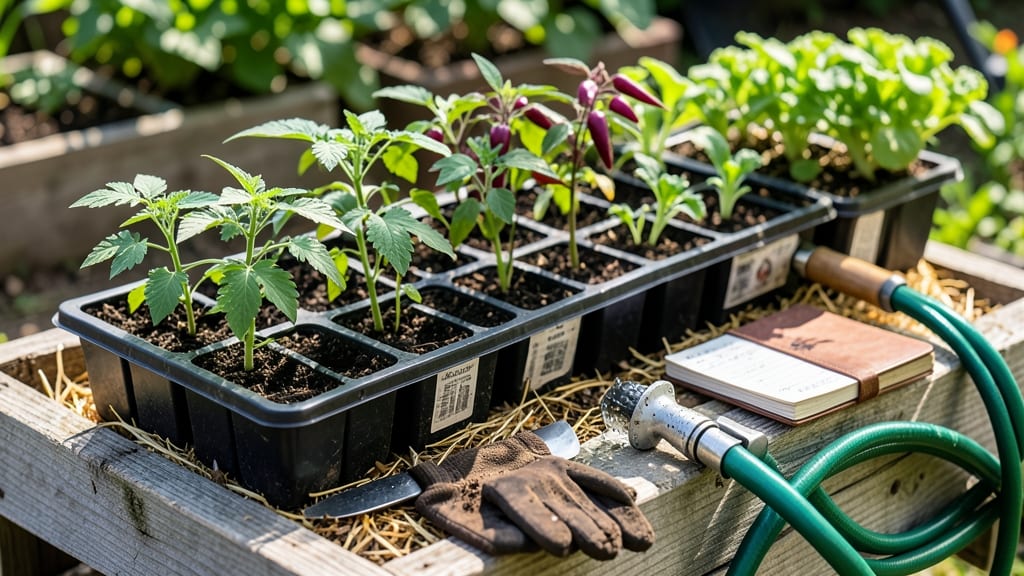
Planting your garden in Virginia at the right time ensures a perfect harvest—whether you’re growing tomatoes in the Shenandoah Valley or herbs in Richmond’s urban heat.
Virginia’s diverse climate means your garden’s success hinges on knowing the exact last frost dates for your region—plant too early, and frost will wipe out your seedlings; too late, and you’ll miss peak harvests.
From Zone 5’s late-May frosts to Zone 8’s March planting windows, timing is everything. I’ll break down the best months for cool-season crops like spinach and warm-season favorites like peppers, plus how to adjust for microclimates like coastal Norfolk or the Blue Ridge Mountains.
Ready to avoid costly mistakes? Here’s your region-specific planting calendar, backed by Virginia Cooperative Extension data, so you can start strong and harvest like a pro.
Virginia’s last frost dates by region: planting windows for vegetables, flowers & herbs
Virginia’s last spring frost dates vary dramatically from the Shenandoah Valley to Tidewater Norfolk, creating planting windows that can differ by 3-4 weeks. In Zone 5 (northern VA), frost lingers until April 15-30, while Zone 8 (southern VA) typically sees its final frost by March 15.
Understanding these dates ensures you plant cool-season crops like spinach before hard freezes and warm-season crops like tomatoes only after soil warms.
For Northern Virginia (e.g., Shenandoah Valley in Zone 6b-7a), average last frost dates range from April 1-15.
This means peas and lettuce can go in by March 1 (6 weeks before last frost), while tomatoes and peppers should wait until May 15 when soil reaches 60°F. Central Virginia (e.g., Richmond, Zone 7b) enjoys an earlier window, with last frosts around March 25-April 10, allowing cool crops to start by February 15.
Southern Virginia (e.g., Norfolk, Zone 8a) has the longest growing season, with last frosts typically by March 15. Here, warm-season crops like okra and sweet potatoes can be planted as early as April 1, while cool-season crops like broccoli and kale thrive when sown by January 15. Always check microclimates—urban areas like Arlington can be 5°F warmer than rural areas, delaying frost.
| Region | USDA Zone | Last Frost Date | Cool-Season Planting Window | Warm-Season Planting Window |
|---|---|---|---|---|
| Northern VA (Shenandoah Valley) | 6b-7a | April 1-15 | March 1 (6 weeks before frost) | May 15 (after soil reaches 60°F) |
| Central VA (Richmond) | 7b | March 25-April 10 | February 15 (8 weeks before frost) | April 20 (soil at 60°F) |
| Southern VA (Norfolk) | 8a | March 15 | January 15 (10 weeks before frost) | April 1 (soil at 65°F) |
| Urban VA (Arlington/Alexandria) | 7a-7b | April 1-10 (5°F warmer than rural) | February 28 (adjust for heat islands) | May 1 (soil warms faster) |
Use these last frost dates as guidelines, but always verify with local weather stations or the Virginia Cooperative Extension.
For example, Blue Ridge Mountain areas in Zone 6b may experience late frosts until May 1, while Tidewater regions often see earlier last frosts due to coastal influences. Microclimates near bodies of water or urban heat islands can shift frost dates by 1-2 weeks, so monitor your specific area.
When planting cool-season crops like spinach, peas, and broccoli, aim to sow seeds 4-6 weeks before your region’s last frost date. These crops thrive in 50-60°F soil and can tolerate light frosts.
For warm-season crops such as tomatoes, peppers, and cucumbers, wait until after the last frost and when soil temperatures exceed 60°F. Use a soil thermometer to confirm—cold soil can stunt seedling growth.
For herbs like basil and cilantro, timing is critical. Basil needs warm soil (70°F+) and should be planted after May 1 in most of Virginia, while cilantro prefers cooler temps and can be sown in early spring or late summer. Flowers like marigolds and zinnias are frost-tolerant but bloom best when planted after the last frost.
Adjust for fall planting too—many crops can be sown in late summer for harvest before first frost (typically October 15-November 15).
Pro tip: Use row covers or cold frames to extend your cool-season growing window by 2-3 weeks in early spring or late fall. For warm-season crops, try black plastic mulch to warm soil faster.
Always account for first frost dates too—Northern VA sees first frosts by October 20-30, while Southern VA
How to adjust planting dates for Virginia’s microclimates and soil conditions
Virginia’s gardening zones span from Zone 5 in the Blue Ridge Mountains to Zone 8 along the coast, creating wildly different planting windows. Even within cities like Richmond, urban heat islands can push your last frost date weeks earlier than rural areas.
To succeed, you’ll need to tweak standard planting charts based on your specific conditions.
Start by checking your local frost-free date using the Virginia Cooperative Extension’s frost calculator. For example, Roanoke (Zone 7) averages April 15, while Blacksburg (Zone 6) waits until May 1. But don’t stop there—soil temperature and type play equally critical roles in determining when to plant.
For urban gardens, heat islands can create microclimates where spring arrives 1-2 weeks early. Monitor your local weather station or use a soil thermometer—50°F is the minimum for cool-season crops like lettuce, while 60°F is needed for radishes.
My 3-step soil prep checklist for Virginia’s frost patterns: 1. Test soil temperature 2 weeks before your average last frost date—adjust planting if temps are below 50°F. 2. Add organic matter (compost or aged manure) to clay-heavy soils to improve drainage and warmth retention.
3. Use row covers for early spring/fall plantings to protect from unexpected late frosts.
Don’t forget: Southern Virginia’s coastal plain (Zone 8) can support year-round gardening for heat-loving crops like okra or sweet potatoes. Meanwhile, mountain regions may need to wait until June 1 for tomatoes to thrive.
Always start with cold-hardy crops like peas or spinach 4-6 weeks before your last frost date.