
Planting
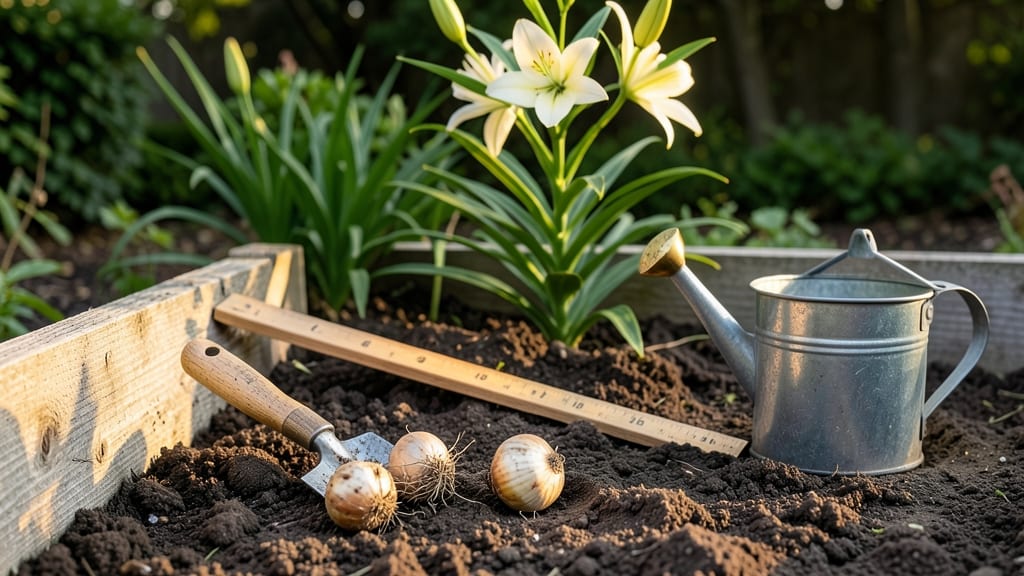
Planting lily bulbs in the garden at the right time ensures vibrant blooms and strong roots — and missing the window can mean frost damage or wasted effort.
Timing your lily bulb planting perfectly can mean the difference between vibrant blooms and wasted effort. The secret lies in understanding your local frost-free window and soil temperature triggers, not just calendar dates.
For most gardeners in USDA Zone 6a, the ideal window is 4-6 weeks before your first frost, typically in September or October.
But climate varies — whether you’re in a cooler northern region or a milder southern zone, getting the timing right means checking soil temps and frost dates.
Below, I’ll walk you through how to calculate your exact planting window, adjust for early or late frosts, and avoid common mistakes that stunt growth. You’ll leave here with a clear schedule tailored to your location.
Lily bulb planting timeline: frost-free window & hardiness zones guide
Planting lily bulbs at the right time ensures strong root development before winter and vibrant blooms next summer. The key is understanding your local frost-free window—that magical 6-8 week period before your first frost—while accounting for your USDA hardiness zone.
Most gardeners plant in fall, but timing varies dramatically from Zone 3 to Zone 10, with tropical lilies needing entirely different care.
For hardy lilies like Asiatic and Trumpet varieties, aim to plant 4-6 weeks before your first frost date. This gives roots time to establish before winter dormancy. In warmer zones (7-10), you can plant as late as December or even early spring, but soil temperatures matter more than calendar dates.
Let's break down the perfect planting window for your region.
🌱 Pro Tip: Use the National Weather Service frost date calculator (available at [www.weather.gov](https://www.weather.gov)) to find your exact frost-free window. Most gardeners in Zone 5-7 plant between September 15-October 15, while Zone 3 gardeners should finish by mid-September.
| USDA Zone | Ideal Planting Window | First Frost Date | Lily Variety Notes |
|---|---|---|---|
| 3-4 | September 1-15 | October 15-November 1 | Hardy Asiatic lilies only; Oriental lilies need warmer zones |
| 5-6 | September 15-October 15 | October 31-November 15 | Perfect for Trumpet and Martagon lilies; avoid late planting |
| 7-8 | October 1-November 15 | December 1-January 15 | Oriental lilies thrive here; can plant as late as December |
| 9-10 | November 1-March 15 | None (tropical zones) | Tropical lilies (e.g., Stargazer) plant in late fall or early spring |
If you're in Zone 5 or 6, like much of the Midwest, your 6-8 week window typically runs from mid-September to mid-November. For example, in Chicago (Zone 5b), the average first frost is October 28, so gardeners aim to plant by September 15.
Meanwhile, in Seattle (Zone 8a), you can plant Oriental lilies as late as December 1 because frosts are rare.
Regional examples show why calendar dates alone aren't enough. In Denver (Zone 5a), where first frosts can hit as early as September 25, gardeners plant by August 15—earlier than most zones.
Conversely, in Atlanta (Zone 7b), late October plantings work fine because frosts rarely arrive before November 20. Always check your local 10-year frost averages, not just this year's forecast.
🌿 Variety Matters: Asiatic lilies are the most cold-hardy and can handle Zone 3 winters, while Oriental lilies struggle below Zone 6. Trumpet lilies (like 'Stargazer') need Zone 7+ for reliable blooms. If you're in a marginal zone, choose Asiatic hybrids for best results.
For gardeners in Zone 10, where frosts are rare, the rule changes entirely. Plant tropical lilies in late fall (November) or even early spring (February-March) when soil temperatures stay above 60°F. These varieties won't tolerate cold, so avoid planting before soil warms to 55°F—even in mild climates.
To adjust for early or late frosts, use row covers or plant in containers that you can move to sheltered spots. If you miss the fall window, spring planting is possible in Zones 7-10, but bulbs may bloom 4-6 weeks later than fall-planted ones.
Always amend soil with compost and bone meal (5-10-0) before planting to give roots a head start.
Remember: The goal is 6-8 weeks of root growth before frost. If your zone has unpredictable frosts (like Zone 4), err on the earlier side—better to plant too soon than too late. With the
Soil temperature triggers: when to plant based on heat requirements
Planting lily bulbs at the right time isn't just about checking the calendar—it's all about soil temperature. Most hardy lilies (like Asiatic and Trumpet varieties) need soil that's warmed to 50-60°F before planting.
This triggers root growth and sets your bulbs up for success. Tropical lilies, however, have different needs and often require warmer conditions.
Why does soil temperature matter? Cold soil can delay root development or even cause rot, while soil that's too warm might encourage premature sprouting. The key is finding that sweet spot where your bulbs get the perfect start.
I've learned this the hard way—planting too early in cool climates meant my lilies struggled to establish roots before winter.
Here’s how to check your soil temperature before planting:
- 1 Use a soil thermometer—these are inexpensive and accurate. Insert it 4-6 inches deep (where your bulb will sit) and wait 10 minutes for a reading.
- 2 Test in the morning—soil temps fluctuate, and morning readings are the most stable. Aim for 50-60°F for most lilies; tropical varieties need 65°F or warmer.
- 3 Adjust for your climate. In cooler regions (Zones 3-5), wait until late spring or early summer when soil warms naturally. In warmer zones (Zones 8-10), fall planting is ideal to avoid summer heat stress.
- 4 Watch for signs of readiness. If your soil is still cold but shoots emerge, they’ll wilt or rot—a sure sign you planted too early. Mulch can help warm the soil faster if you’re in a hurry.
If your soil is still too cold when you’re ready to plant, don’t panic. You can pre-warm the soil by covering the area with black plastic or mulch for a few weeks before planting. This mimics the natural warming process and gives your lilies the head start they need.
I’ve used this trick in Zone 5 gardens to plant Oriental lilies successfully in early May when soil finally hit 55°F.
For late spring plantings, focus on keeping the soil moist but not soggy. Overwatering cold soil can suffocate roots and lead to rot. Instead, water deeply but infrequently—once a week should suffice if rainfall is minimal.
And if you’re planting in summer heat, opt for afternoon shade to protect young bulbs until they establish roots.
Remember, lilies are resilient, but timing is everything. Planting at the right soil temperature ensures stronger roots, healthier foliage, and show-stopping blooms next summer. Don’t let a few degrees hold you back—just check, adjust, and plant with confidence! 🌸