
Planting
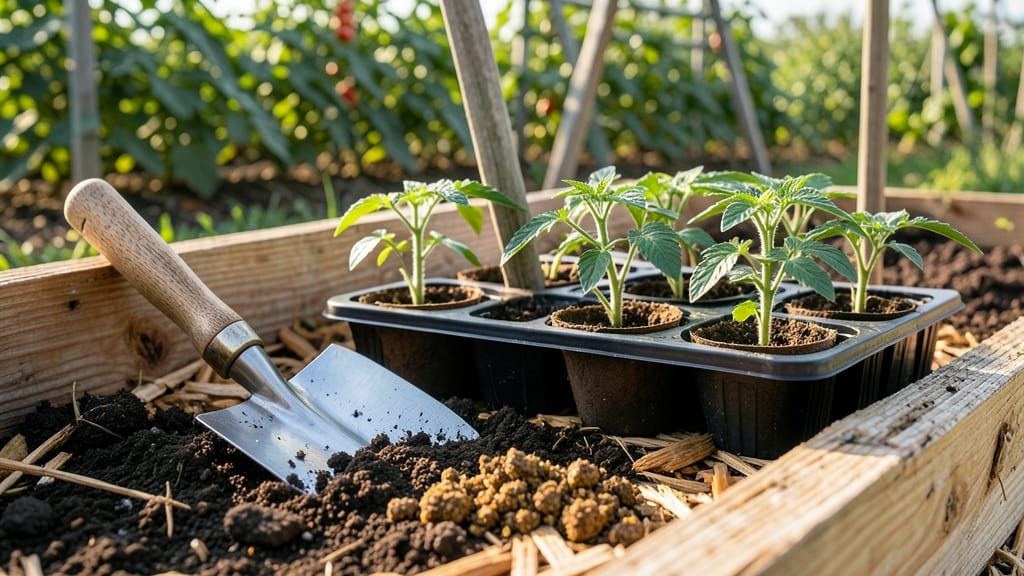
To plant tomato seedlings in the garden, aim for after the last frost when soil temperatures hit 50°F or warmer—this is the sweet spot for strong root growth and avoiding transplant shock.
Timing your tomato seedlings perfectly can mean the difference between a bountiful harvest and a wasted season—get it wrong, and frost or heat stress can ruin your plants before they even bloom.
In USDA Zone 6a, where I garden, that window typically opens around April 15, but a late freeze or cold snap can push it into May.
Warmer zones like 8a or 9a might start as early as March, while cooler climates like Zone 5 may need to wait until late May.
Below, I’ll break down how to read your local frost dates, check soil temps, and adjust planting times for early vs. late varieties—so you can avoid the three biggest mistakes that kill tomato seedlings before they produce a single fruit.
Optimal soil temperature and frost-free deadlines for planting tomato seedlings by USDA zone
Planting tomato seedlings at the right time ensures strong roots, vigorous growth, and a high-yield harvest. The key factors are soil temperature and frost-free dates, which vary by USDA hardiness zone.
Tomatoes thrive when soil reaches at least 50°F, but ideal conditions start at 60°F or warmer. Cold soil slows root development, making seedlings vulnerable to disease and stress.
Most gardeners wait until the last frost date has passed, but this isn’t always enough. You also need to account for 70-90 days of warm weather ahead for most varieties to mature.
For example, a 60-day cherry tomato needs fewer warm days than a 90-day heirloom. Check your zone’s frost-free deadline and work backward to determine the safest transplant date.
Here’s how to use the table below: Match your USDA zone to the recommended soil temperature and planting window. For zones 3-5, extend the season with row covers or plant in containers for flexibility.
In zones 8-11, focus on late summer plantings to avoid summer heat stress.
In zones 3-4, where frost lingers late, opt for cold-hardy varieties like 'Stupice' or 'Glacier'. These can tolerate brief chills and still produce fruit. For zones 5-6, aim to plant after May 15th to avoid late frosts.
Use a soil thermometer to confirm temperatures—surface soil can be warmer than deeper layers.
For zones 7-8, the window narrows. Planting too early can lead to bolting (premature flowering), while late plantings may not yield before fall frosts. Stagger plantings every 2-3 weeks to extend your harvest.
In zones 9-11, focus on heat-tolerant varieties like 'Solar Fire' or 'Heatmaster' to prevent sunscald on fruit.
Pro tip: If your local frost-free date is unreliable, add a 10-day buffer to your planting schedule. For example, if frost is predicted to end May 1st, wait until May 11th to transplant.
This extra cushion accounts for unpredictable weather shifts and gives seedlings time to establish roots before stress.
Always harden off seedlings for 7-10 days before transplanting, regardless of zone. Gradually expose them to outdoor conditions (wind, sun, temperature fluctuations) to prevent shock. Use drip irrigation or soaker hoses to keep soil moist during the critical first week after planting—this encourages root growth and reduces transplant shock.
Monitor your local weather forecasts for 5-day outlooks in the weeks leading up to planting. A sudden cold snap can derail your season, so have row covers or a greenhouse
How to adjust planting time for early, mid-season, and late varieties of tomatoes
Not all tomatoes are created equal when it comes to planting timing. Early varieties like 'Stupice' thrive with a head start, while late-season beefsteaks need extra time to mature. The key is matching your tomato type to your local climate and harvest goals.
By staggering plantings, you can enjoy tomatoes from summer through fall—even in short-season zones.
For example, cherry tomatoes (like 'Sweet 100') often ripen faster than heirlooms, making them perfect for early planting. Meanwhile, beefsteak varieties need 90+ days to mature, so they require later starts. Understanding these differences lets you extend your harvest window and avoid wasted space in your garden.
- Early Varieties (60-70 days to maturity): Plant 2-3 weeks before your last frost date. Examples: 'Early Girl' or 'Sub-Arctic'. Ideal for cool climates or succession planting.
- Mid-Season Varieties (75-85 days): Plant 1-2 weeks after your last frost when soil hits 60°F+. Examples: 'Better Boy' or 'Brandywine'. Best for main harvests in most zones.
- Late Varieties (90+ days): Plant after all frost risk (late May/June in cold zones). Examples: 'Big Beef' or 'Cherokee Purple'. Use row covers to extend season.
- Succession Planting: Space early and late varieties 2-3 weeks apart for continuous harvests. Perfect for cherry tomatoes or salad tomatoes.
- Cold Frame/Row Cover Hack: Plant early varieties 4-6 weeks before last frost if using protective covers. Removes frost risk and speeds growth.
If you live in a short-season zone (Zones 3-5), focus on early and mid-season varieties with row covers. For longer seasons (Zones 8-11), you can even plant late varieties in early spring and succession plant in summer for fall harvests.
The trick is monitoring soil temps—tomatoes won’t thrive below 55°F.
Pro tip: Label your seedlings by maturity date to track planting schedules. For instance, mark 'Early Girl' (60 days) for May 1st and 'Brandywine' (85 days) for June 1st. This ensures you’re not overcrowding your garden with slow growers when faster varieties are ready to harvest.
Don’t forget about heat-sensitive varieties like 'Black Krim'. In hot climates (Zones 9-11), plant them in early spring or late summer to avoid bolting or fruit splitting. A shade cloth can help protect them during peak summer heat.
By mastering this staggered planting strategy, you’ll turn your garden into a tomato-producing machine—no more gaps in harvests or wasted plants! Start with one early variety, one mid-season, and one late variety to test what works best in your space.