
Planting
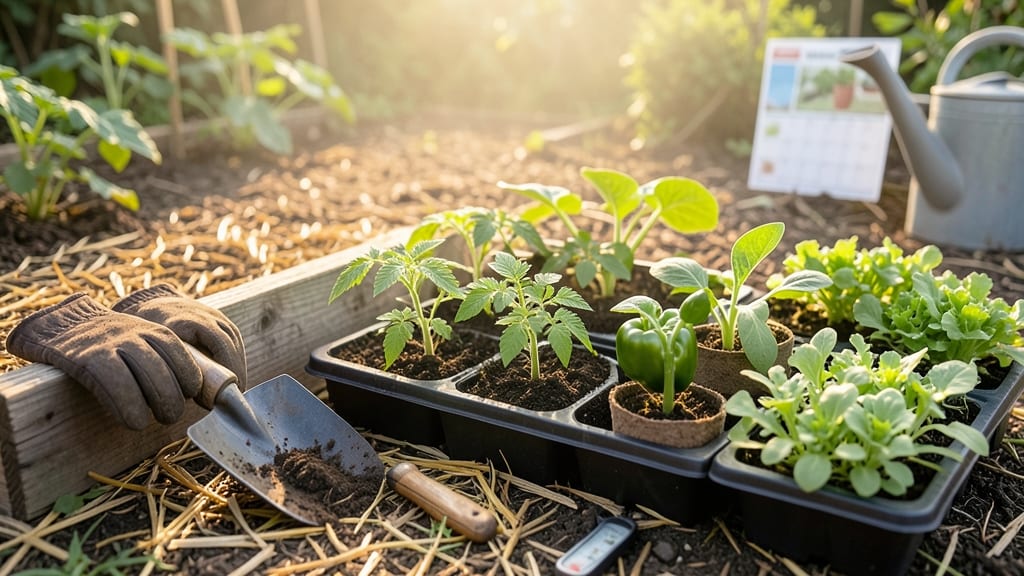
Planting your vegetable garden in Oklahoma at the right time means the difference between a bountiful harvest and a lost season 🥬 — and the clock starts ticking with the last frost date.
Oklahoma’s unpredictable weather can make or break your vegetable garden—plant too early, and frost wipes out your hard work; too late, and pests or heat ruin your harvest. Timing is everything, especially with the state’s varied climate zones.
Whether you’re growing cool-season crops like lettuce or warm-season favorites like tomatoes, knowing when to plant in USDA Zones 6b-8a is the key to success. The ideal window for most gardeners is late winter to early spring, but fall planting can extend your harvest well into November.
Below, I’ll break down the exact planting schedule for Oklahoma’s microclimates, frost-free deadlines, and crop-specific tips to help you avoid common mistakes and maximize your garden’s potential.
Oklahoma’s first frost dates by plant hardiness Zone: critical timing for cool-season crops
Oklahoma’s cool-season crops like lettuce, broccoli, and spinach thrive when planted at the right time—just before the first frost. But with USDA zones 6a through 8a, frost dates vary dramatically across the state.
In Zone 6a (northwest Oklahoma), the first frost typically arrives by November 15, while Zone 8a (southeastern Oklahoma) may not see frost until December 15. These dates dictate your planting deadlines for fall harvests and early spring starts.
Understanding your local frost dates helps you avoid two common mistakes: planting cool-season crops too early (they bolt or get leggy) or too late (they don’t mature before frost).
For example, spinach needs 50-60 days to harvest, so in Zone 7a, you’d plant by August 15 to ensure a fall crop before the November 1 average frost date. Let’s break down the specifics for each zone and the best cool-season vegetables to grow.
| Zone | Avg. First Frost | Fall Planting Deadline | Spring Planting Window | Best Cool-Season Crops |
|---|---|---|---|---|
| 6a (Northwest OK) | November 15 | August 1–15 | March 15–April 15 | Kale, Broccoli, Carrots, Peas |
| 6b (Central OK) | November 1 | August 15–30 | March 1–April 1 | Lettuce, Spinach, Radishes, Beets |
| 7a (Oklahoma City) | October 31 | August 30–September 15 | February 28–March 31 | Cabbage, Swiss Chard, Turnips, Peas |
| 7b (South-Central OK) | November 15 | September 1–15 | March 1–April 15 | Collards, Mustard Greens, Lettuce, Radishes |
| 8a (Southeast OK) | December 15 | September 15–October 1 | February 15–March 31 | Spinach, Broccoli, Peas, Carrots |
For Zone 6a, where winters are colder, focus on fast-maturing varieties like radishes (25 days) or bush peas (60 days). In Zone 8a, you can extend your growing season into early December with row covers or cold frames.
Pro tip: Use a frost calendar from your local Cooperative Extension office for hyper-localized advice, as microclimates can shift frost dates by 1-2 weeks.
Spring planting for cool-season crops starts 4-6 weeks before your last frost date. In Zone 7a, that means sowing lettuce seeds by February 28 for an early spring harvest. Harden off seedlings by gradually exposing them to outdoor conditions over 7-10 days to prevent shock.
If you miss the spring window, don’t worry—fall planting is just as rewarding, especially for broccoli and kale, which sweeten after a light frost.
One of my favorite cool-season strategies is succession planting. For example, sow spinach every 2 weeks from August through September in Zone 7a to ensure a continuous harvest. This works especially well for leaf lettuce, which bolts quickly in Oklahoma’s heat.
Pair this with mulching to retain soil moisture and regulate temperatures—critical in Oklahoma’s unpredictable fall weather.
Watch for false springs, where warm spells in late winter
Best planting schedule for Oklahoma’s warm-season vegetables: heat-tolerant crops and their ideal start times
Oklahoma’s sweltering summers demand precise timing for warm-season vegetables like tomatoes, peppers, and beans. Planting too early risks frost damage, while waiting too long can lead to heat stress or poor yields.
The key is aligning your schedule with soil temperatures and Oklahoma’s frost-free period, which typically runs from mid-April to late October.
For most of Oklahoma, warm-season crops thrive when soil temperatures consistently reach 60°F or higher.
Use a soil thermometer to check—this usually happens in late April to early May in northern zones (6a-7a) and as early as mid-March in southern Oklahoma (7b-8a). Succession planting is your secret weapon to maximize harvests, especially for quick growers like bush beans and cucumbers.
- 1 Tomatoes & Peppers: Start seeds indoors 8-10 weeks before last frost (early February) or transplant 2-3 weeks after soil warms (mid-April in most zones). Use black plastic mulch to speed up soil warming.
- 2 Cucumbers & Squash: Direct-sow after soil reaches 65°F (late April-early May). Succession plant every 2 weeks for continuous harvests. Avoid overcrowding to prevent powdery mildew.
- 3 Beans (Bush & Pole): Plant after soil is 60°F+ (mid-April). Bush beans mature faster (50-60 days), while pole beans take 60-70 days. Succession plant every 3 weeks until July for fall harvests.
- 4 Avoid Bolting: Use shade cloth (30-50%) during 100°F+ heatwaves to protect leafy greens (like basil) and peppers. Mulch heavily to retain moisture and cool roots.
- 5 Fall Planting: For a second harvest, sow heat-tolerant varieties (e.g., Cherokee Purple tomatoes) in late July. Use row covers to extend the season into October.
Oklahoma’s high humidity and intense sun can stress warm-season crops, so prioritize well-draining soil and consistent moisture. Water deeply in the morning to prevent fungal diseases like early blight on tomatoes. Drip irrigation or soaker hoses work best to keep foliage dry.
Pro tip: Container gardening is ideal for urban Oklahoma gardeners. Use 5-gallon pots for tomatoes and 3-gallon pots for peppers, filling them with lightweight potting mix to improve drainage. Move containers to partial shade during afternoon heat if possible.
Monitor your garden closely during Oklahoma’s unpredictable summer storms. Heavy rains can leach nutrients, while droughts stress plants. Use a mulch layer (2-3 inches of straw or wood chips) to lock in moisture and regulate soil temperature.
With the right timing and care, you’ll enjoy a bountiful harvest of sun-ripened tomatoes, spicy peppers, and crisp cucumbers all summer long.