
Planting
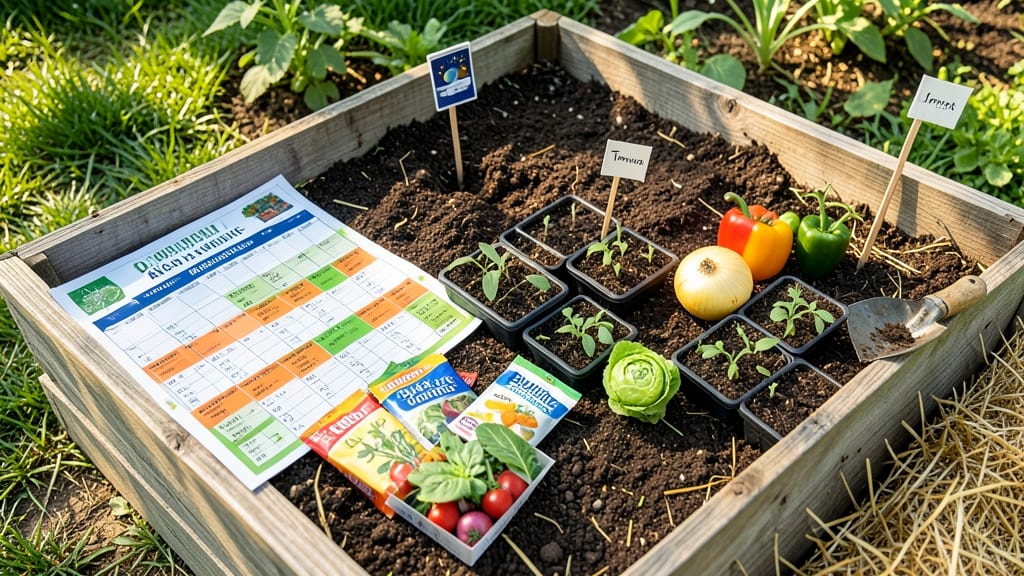
To plant your garden in Ohio at the right time means beating the frost — aim for 4-6 weeks before your last spring frost, typically mid-April, but watch for those late surprises.
Ohio’s unpredictable frost dates can make or break your garden’s success — planting too early risks frost damage, while waiting too long cuts your growing season short. Mastering the perfect timing ensures a thriving harvest from spring to fall.
Whether you’re sowing cool-season 🌱 General Garden Vegetables (Spring/Fall) like lettuce in early spring or warm-season tomatoes in late May, the window is narrow. Northern Ohio’s Zone 6a-6b climate demands extra caution, while southern regions can push planting a little later.
Below, I break down the exact frost dates by region, the best planting calendar for Ohio’s most popular crops, and how to adjust for those tricky late frosts. You’ll leave here with a clear schedule and the confidence to grow like a pro.
Ohio’s frost dates by region: when to plant cool-season vs warm-season crops
Ohio’s last spring frost dates and first fall frosts vary dramatically between northern and southern regions, creating a 10-14 day difference in planting windows. Northern Ohio (Zones 5a-5b) typically experiences last frosts between April 15-30, while southern Ohio (Zones 6a-6b) often sees frost-free conditions by April 1-15.
Understanding these regional shifts helps you avoid frost damage to tender seedlings.
For cool-season crops like lettuce, spinach, and peas, the ideal planting window is 4-6 weeks before your area’s last frost date. In northern Ohio, this means starting seeds indoors by late February or sowing directly in early March.
Southern Ohio gardeners can push these timelines 2 weeks later, often planting outdoors by mid-March for a head start.
| Region | Last Spring Frost | First Fall Frost | Cool-Season Planting Window | Warm-Season Planting Window |
|---|---|---|---|---|
| Northern Ohio (Zones 5a-5b) | April 15-30 | October 10-20 | March 1 - April 15 (direct sow) / Feb 15 - Mar 1 (indoors) | May 15 - June 1 (after soil reaches 60°F) |
| Southern Ohio (Zones 6a-6b) | April 1-15 | October 25-Nov 5 | March 15 - April 30 (direct sow) / Feb 28 - Mar 15 (indoors) | April 20 - May 10 (after soil reaches 60°F) |
| Microclimates (e.g., urban areas, valleys) | April 1-30 (varies) | October 1-31 (varies) | Adjust ±7 days based on local observations | Adjust ±7 days based on local observations |
Warm-season crops, including tomatoes, peppers, and cucumbers, demand warmer soil temperatures (at least 60°F) and should only be planted after your last frost date. In northern Ohio, this typically means waiting until mid-May, while southern Ohio gardeners can plant 2 weeks earlier. Always check soil temperature with a probe—55°F is the minimum for reliable germination.
Ohio’s first fall frost dates also create urgency for cool-season replanting. Northern regions see frosts by October 10-20, leaving only 6-8 weeks for late summer plantings of kale, broccoli, and carrots.
Southern Ohio gardeners gain 2 extra weeks, allowing for second crops of lettuce and spinach until early November. Plan accordingly to maximize your fall harvest potential.
For perennials and woody plants, timing matters too. Spring planting (after last frost) gives roots time to establish before summer heat, while fall planting (6-8 weeks before first frost) allows roots to develop in cool soil. Northern Ohio should aim for May 1-June 15 in spring or September 1-October 10 in fall, while southern Ohio can extend these windows by 2-3 weeks.
Pro tip: Use row covers or cold frames to extend your cool-season growing window by 2-4 weeks in both spring and fall. These protective measures create a microclimate that shields young plants from light frosts (28-32°F).
I’ve used them successfully to grow spinach and radishes even after October’s first frost, adding 30-45 days to my harvest season.
Monitor local weather forecasts and historical frost data from resources like the Old Farmer’s Almanac or your local Cooperative Extension office. While these tables provide general guidelines, Ohio’s unpredictable weather patterns mean your personal observations are just as valuable.
Keep a gardening journal to track actual frost dates in your specific location—this data becomes your most reliable planting calendar over time.
Remember: Succession planting is your secret weapon for continuous harvests. For example, sow lettuce every 2 weeks from March through August in northern Ohio to ensure a steady supply.
In southern Ohio, you can stretch this to March through September, giving you 6-8 weeks more growing time for leafy greens and root vegetables.
When in doubt, start with cool-season crops—they’re more frost-tolerant and give you multiple planting opportunities. Save warm-season favorites for after your confirmed last frost date, and always have row covers on hand for those late-spring surprises.
With these regional guidelines, you’ll maximize your Ohio garden’s potential from first sprout to final harvest.
Best planting schedule for Ohio gardens: month-by-month calendar for maximum yield
Ohio’s growing season runs from early spring to late fall, but timing is everything. Cool-season crops like lettuce and peas thrive in March-April, while warm-season favorites like tomatoes and peppers need to wait until May-June after the last frost.
Succession planting—adding new seeds every 2-3 weeks—keeps your harvest flowing all season long.
Start by checking your local frost dates (typically mid-April for last spring frost and mid-October for first fall frost in most of Ohio). Northern Ohio has a slightly shorter season than southern Ohio, so adjust accordingly. For example, Cleveland gardeners should plant 2 weeks later than those in Columbus.
- 1 March-April: Direct sow cool-season crops like peas, spinach, and lettuce. Start transplanting seedlings indoors for peppers, tomatoes, and eggplants.
- 2 Late April: Harden off seedlings and prepare to transplant tomatoes, peppers, and basil after the last frost (typically April 15-May 1).
- 3 May: Direct sow beans, corn, and cucumbers. Succession plant lettuce and radishes every 2 weeks for continuous harvests.
- 4 June: Plant fall crops like kale and broccoli for late-season harvests. Start succession planting for bush beans and zucchini.
- 5 July-August: Direct sow cool-season crops like spinach and arugula for fall harvests. Avoid planting warm-season crops too late—they won’t mature before frost.
- 6 September: Plant garlic and onions for next year’s harvest. Succession plant lettuce and radishes for early fall harvests.
For succession planting, focus on fast-growing crops like radishes, lettuce, and beans. For example, sow a new row of lettuce every 2 weeks from April through July to ensure a steady supply. Tomatoes and peppers should be transplanted after soil reaches 60°F—use a soil thermometer to check.
Extend your season with row covers or cold frames to protect early plantings from late frosts. In northern Ohio, consider starting warm-season crops indoors in March to give them a head start. Always monitor weather forecasts and adjust planting dates if an unexpected frost is predicted.
Pro tip: Keep a gardening journal to track what works best in your microclimate. Note when you plant, any frost dates, and how long it takes for crops to mature. Over time, you’ll fine-tune your schedule for maximum yield in your Ohio garden. 🌿