Tools
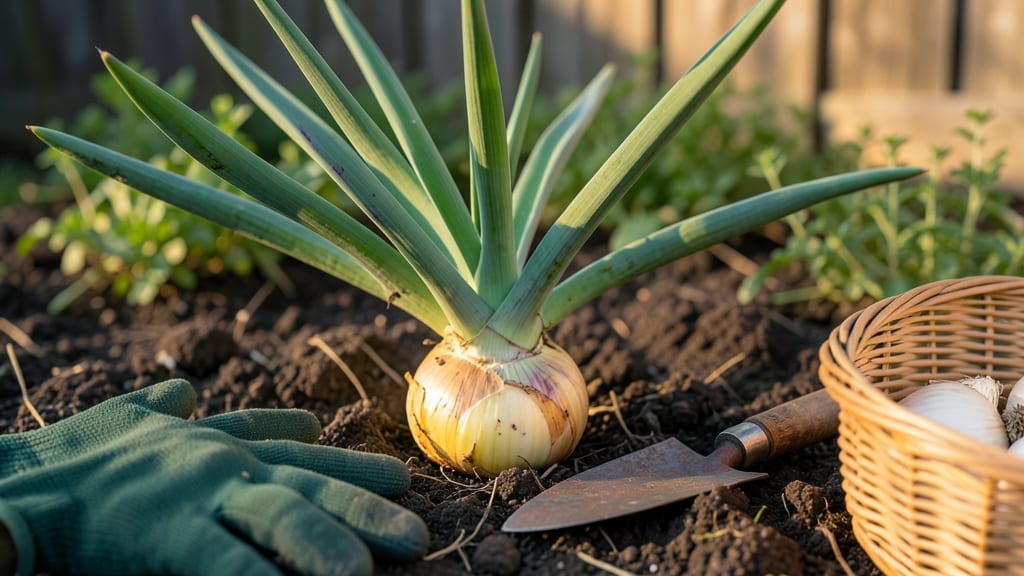
Pull onions from the garden when their tops yellow and flop over 🧅 — that’s the sweet spot for flavor and storage.
Harvesting at the wrong time means sacrificing flavor, storage life, and even yield—so knowing exactly when to pull them can mean the difference between a disappointing harvest and a pantry full of sweet, robust onions.
Most gardeners wait until the tops turn yellow and fall over, but there are other key signs to watch for, like bulb size and soil dryness. I’ll walk you through the exact visual cues and regional timing to ensure you never miss the perfect harvest window.
Whether you’re in Zone 6a or further south, these tips will help you pull onions at peak ripeness, every time.
3 Clear leaf & bulb signs your onions are ready to harvest
Knowing exactly when to pull onions from your garden ensures you get the sweetest flavor and longest storage life. Many gardeners make the mistake of harvesting too early or too late, which can ruin both the taste and texture of your onions.
The key lies in watching for three specific visual cues that tell you the bulbs are perfectly ripe.
First, pay attention to the leaf color and growth habit of your onion plants. This is nature's way of signaling that the bulb below ground has reached maturity. The right timing can transform a mediocre harvest into a bounty of flavorful onions that store beautifully through winter.
- 1.
- 2.
- 3.
Don't wait until the leaves completely brown and dry out - this is a common mistake that leads to tougher onions. The ideal moment is when you see that perfect 50% yellowing of the tops. This balance ensures maximum sweetness while maintaining the right moisture content for storage.
Another pro tip is to harvest onions on a dry morning after the dew has evaporated. This prevents dirt from clinging to the bulbs and makes curing easier. Simply grasp the onion near the base and give a gentle tug - if it comes out cleanly, it's ready to harvest.
For short-day onions (common in southern climates), these signs typically appear around 100-120 days after planting, while long-day onions (northern varieties) may take 120-150 days. Always adjust for your specific variety and local growing conditions.
Once you've pulled your onions, let them cure in the sun for 1-2 hours before storing. This drying process helps develop their flavor and extends shelf life. Store them in a cool, dark place with good air circulation for the best results.
Remember that overripe onions become tough and pungent, while underripe ones won't store well. By watching for these three clear signs, you'll consistently harvest onions at their peak - giving you the best flavor and longest storage life possible.
How to test onion bulb maturity before pulling (simple DIY method)
Testing onion bulb maturity is the secret to harvesting flavorful, storable onions instead of bitter or rotten ones. Many gardeners wait for the tops to yellow, but that's just the first clue. The real magic happens underground, where bulb size and firmness determine perfect timing.
I’ve learned the hard way—waiting too long means overripe onions that split or rot, while pulling too soon gives you small, pungent bulbs that won’t store well. The solution? A simple 3-step DIY test that checks both the tops and the roots for readiness.
⚠️ Critical Mistake to Avoid
Don’t pull onions when the soil is wet or after heavy rain. Moist soil makes bulbs slippery and prone to damage, while wet conditions increase rot risk. Wait for dry, sunny days to harvest for clean, intact bulbs that store better.
🌧️ Pro Tip: Harvest in the morning after dew has dried but before the heat of midday.
First, check the leaf tops. When about half the leaves turn yellow and flop over (a sign called "toppling"), it’s time for closer inspection. But don’t rush—some varieties need 2-3 weeks after toppling to reach peak maturity.
Next, dig gently around the base of the plant with your fingers or a small trowel. Look for a round, firm bulb about 2-3 inches in diameter.
If it’s smaller than a golf ball, it’s not ready yet. Press your thumb into the bulb—it should feel solid, not mushy.
For the final test, try to peel the outer skin. If it resists and doesn’t slide off easily, your onion is perfect. But if the skin peels away like an orange, it’s overripe and past its prime. This skin resistance is your best indicator of ideal harvest timing.
Remember, short-day onions (like Texas Early White) mature faster than long-day varieties (like Yellow Sweet Spanish). Adjust your timing based on your climate zone—Zone 5-7 gardeners should harvest in late June to early July, while Zone 8-10 can wait until September.
Once you’ve mastered this test, you’ll never guess again. Your pantry will thank you with onions that stay fresh all winter—sweet, firm, and ready to use whenever you need them. Happy harvesting! 🧅