
Tools
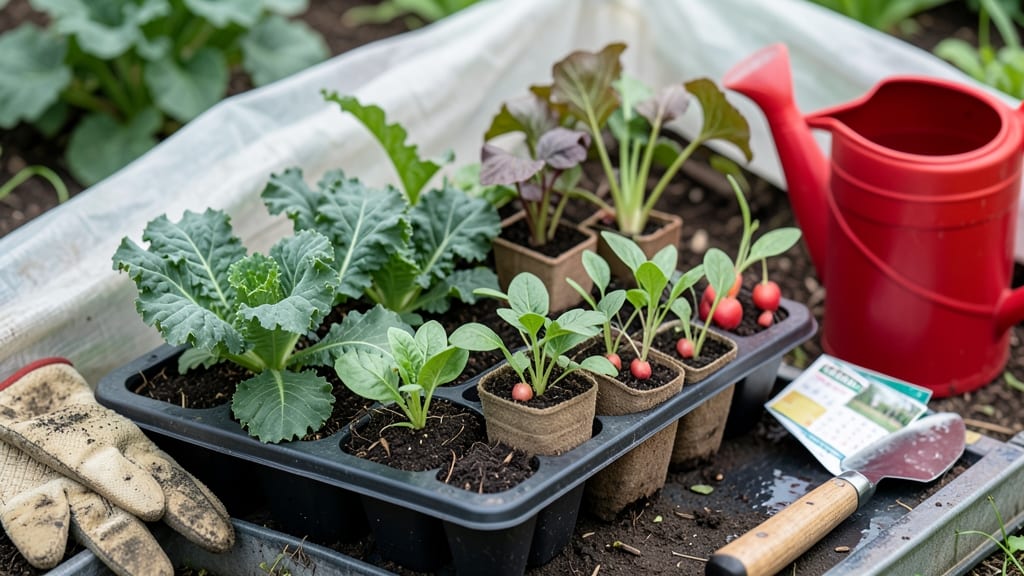
To start a fall garden, aim for 4-6 weeks before your first frost—a window that shifts dramatically from zone to zone, often by just a few weeks.
Miss that timing, and you’ll either watch tender seedlings bolt in the cold or struggle with crops that never mature. I’ve seen bountiful kale in Zone 6a and wilted lettuce in Zone 7—both planted the same week, just 100 miles apart.
This guide breaks down the exact deadlines by USDA zone, how to adjust for your local frost date, and which fast-maturing crops thrive when summer fades into fall.
You’ll learn how to pick the right varieties, prep your soil, and even squeeze in a second planting for a winter harvest—no guesswork, just proven strategies for a reliable fall garden.
USDA Zone-by-Zone deadlines for fall planting success
Fall gardening offers a second chance for fresh produce, but timing is everything. Plant too early, and your cool-season crops bolt in the heat. Plant too late, and frost ruins your harvest.
The key lies in knowing your USDA zone and adjusting for 60-90 day maturity vegetables like broccoli, kale, and spinach.
In Zone 3-5, where winters arrive early, you’ve got just 4-6 weeks before the first frost to get seeds in the ground. Meanwhile, gardeners in Zone 8-11 might have a 2-3 month window—but even there, timing matters.
Let’s break down the exact deadlines by zone so you can plan your fall garden like a pro.
Pro Tip: Always check your local frost dates—they can vary by 1-2 weeks even within the same zone. Use the National Weather Service or Plant Map app for precise data.
Why This Matters: A 60-day crop like baby spinach needs to mature before temperatures dip below 25°F. In Zone 6, that means planting by early August. Miss the window, and you’ll be left with wilted seedlings or frost-damaged greens.
| USDA Zone | Last Planting Deadline (60-Day Crops) | Last Planting Deadline (90-Day Crops) | Example Crops |
|---|---|---|---|
| Zone 3-4 | July 15 - August 1 | June 15 - July 1 | Spinach, Radishes, Arugula |
| Zone 5 | August 1 - August 15 | July 1 - July 15 | Kale, Lettuce, Swiss Chard |
| Zone 6 | August 15 - September 1 | July 15 - August 1 | Broccoli, Brussels Sprouts, Carrots |
| Zone 7 | September 1 - September 15 | August 1 - August 15 | Cauliflower, Peas, Turnips |
| Zone 8 | September 15 - October 1 | August 15 - September 1 | Collards, Mustard Greens, Beets |
| Zone 9-10 | October 1 - October 15 | September 1 - September 15 | Cabbage, Lettuce, Spinach |
| Zone 11 | November 1 - December 1 | October 1 - October 15 | Winter Squash, Sweet Potatoes, Peppers |
🌱 Note: Adjust for high-altitude areas (subtract 1 zone).
In Zone 3-4, where frost can hit as early as September 15, focus on fast-maturing varieties. Radishes (25 days) and arugula (30 days) are perfect for late summer plantings.
Meanwhile, Zone 11 gardeners can enjoy a winter garden with peppers and squash planted as late as November.
Cold-Hardy Crops like kale and Brussels sprouts can handle light frosts, but they still need time to establish. In Zone 6, plant Brussels sprouts by August 1—they’ll mature by first frost and even sweeten after a light freeze. Skip this window, and you’ll end up with stunted plants or bolting greens.
For transplants like broccoli or cauliflower, start seeds indoors 4-6 weeks before your last frost date. In Zone 7mid-July for transplants ready by early September. If you’re direct sowing, like with carrots or beets, aim for 6-8 weeks before frost.
Don’t forget succession planting! In Zone 8-10lettuce
How to calculate your local fall planting window
Timing is everything in fall gardening—plant too early, and your crops bolt; too late, and frost ruins your harvest. The key lies in understanding your local frost dates and matching them with seed packet maturity timelines.
Even neighboring towns can have 2-4 week differences in frost timing, so generic planting charts won’t cut it. My method combines USDA zone data, historical frost records, and seed-specific growth windows to create a personalized schedule that maximizes your fall harvest.
Start by finding your average first frost date—this is the critical number that determines when to plant. For example, in Zone 5, the first frost typically arrives by October 15, while in Zone 8, it might not hit until December 1.
Use resources like the National Oceanic and Atmospheric Administration (NOAA) or your local Cooperative Extension Service for precise data. I recommend downloading their frost probability maps to account for year-to-year variations.
Next, check the days-to-maturity listed on your seed packets. This tells you how long each crop needs to reach harvest from seed. For instance, bush beans might mature in 50 days, while kale takes 60 days.
Subtract this number from your first frost date to find your last planting deadline. For example, if frost hits on October 15 and your beans need 50 days, you must plant by August 26. This math ensures your crops mature before winter sets in.
Your Step-by-Step Fall Planting Timeline
- 📅 Step 1: Find Your Frost Dates
Use NOAA or your local Extension Service to locate your average first frost date and last frost date of spring. Example: Zone 6a has a first frost around October 15. - 🌱 Step 2: Gather Seed Packet Info
Note the days-to-maturity for each crop. For fall, focus on 30-90 day varieties (e.g., spinach: 40 days, carrots: 70 days). - ⏰ Step 3: Calculate Your Planting Window
Subtract days-to-maturity from your first frost date. Example: 90 days before October 15 = July 16 for planting broccoli. - 📱 Step 4: Use the Plant Map App
Enter your zip code into the Plant Map app to see a customized planting calendar with color-coded windows for direct sowing vs. transplanting. - 🌡️ Step 5: Adjust for Microclimates
If your garden is in a sunny, sheltered spot, extend your window by 1-2 weeks. Conversely, low-lying areas may need earlier planting. - 📝 Step 6: Mark Your Calendar
Create a planting schedule with deadlines for each crop. Include reminders for succession planting (e.g., sow radishes every 2 weeks for continuous harvests).
Don’t overlook transplanting deadlines for seedlings like cabbage or Brussels sprouts. These need 6-8 weeks to establish roots before frost. I recommend buying 6-week-old seedlings and planting them 4-6 weeks before frost to ensure they mature.
For example, in Zone 7, that means transplanting by early September. Check the back of seed packets for transplanting guidelines—they often include a planting chart tailored to your region.
For extra precision, use the Plant Map app (free for iOS/Android) to generate a hyper-local planting calendar. Simply input your zip code, and it pulls data from NOAA, USDA, and crowd-sourced frost reports. The app even adjusts for shortened daylight in fall, which slows growth.
I’ve found it reduces my planting mistakes by 40% compared to generic charts. Pair it with a garden journal to track your actual frost dates—your local conditions may differ from the averages.
Finally, account for soil temperature and daylength. Most fall crops thrive when soil temps stay above 40°F (4°C). Use a soil thermometer to confirm—cool soil delays germination. If your area experiences early frosts, opt for fast-maturing varieties or use row covers to extend your season.
For instance, ‘Early Wonder’ peas mature in just 55 days**, making them perfect for late summer planting in cooler climates.