
Watering
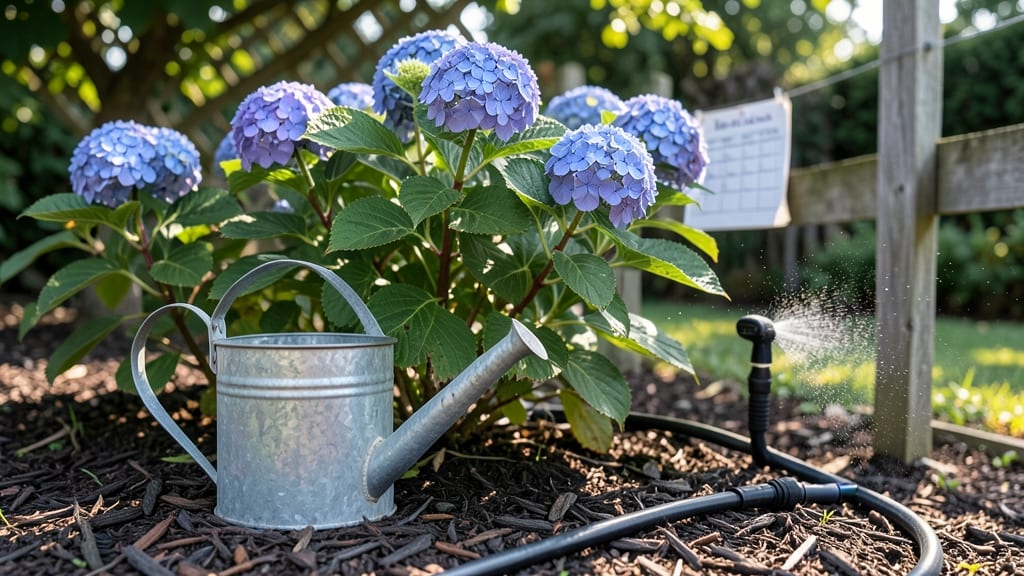
Watering your garden in summer at the right time is the difference between thriving 🌱 plants and wasted water.
Struggling to keep your summer garden lush without wasting water? Timing your watering sessions can mean the difference between vibrant blooms and wilting plants—here’s the science-backed schedule every gardener needs.
Most gardeners assume evening watering is best, but that’s actually when evaporation spikes and fungal diseases thrive. The early morning is when roots drink deeply without competition from heat or wind.
In this guide, you’ll learn the exact times to water, how often different plants need it, and how to spot when your garden is thirsty—without drowning it. Let’s save water and keep your plants happy!


Best times to water garden plants in summer heat
Summer heat turns your garden into a thirsty landscape, but timing your watering can save water and keep plants thriving. The best windows are early morning (5-9 AM) and late evening (after sunset), when temperatures are cooler and evaporation rates drop.
This simple shift prevents fungal diseases and plant stress while maximizing water efficiency.
Research shows that watering during peak sun hours (10 AM–4 PM) wastes up to 30% more water due to rapid evaporation. Even worse, damp foliage left overnight creates perfect conditions for powdery mildew and leaf spot diseases. By choosing strategic times, you’re not just watering—you’re protecting your garden’s health.
Let’s break down the science-backed schedule and why it works for different plant types. The comparison table below highlights the key differences between morning, evening, and midday watering to help you make the best choice for your garden.
For most summer gardens, I recommend sticking to early morning watering between 5 and 9 AM. This gives roots time to absorb moisture before the heat of the day kicks in.
If you must water in the evening, finish by 8 PM to allow foliage to dry overnight, reducing the risk of fungal infections.
Container plants and shallow-rooted herbs like basil or cilantro benefit from evening watering because their soil dries out faster. However, avoid watering tomatoes or peppers at night—their damp leaves attract pests like aphids and whiteflies. Always prioritize deep watering over frequent shallow sessions to encourage strong root growth.
Another pro tip: Use a soaker hose or drip irrigation for morning watering. These systems deliver water directly to the soil, minimizing evaporation and ensuring efficient absorption. If you’re using overhead sprinklers, time them for early morning to avoid wetting leaves during the day.
Heatwaves change the game—during triple-digit temperatures, you may need to water twice daily: once in the morning and again in the late evening.
Monitor your garden’s soil moisture by sticking your finger 1-2 inches deep; if it’s dry, it’s time to water. Mulch with straw or wood chips to lock in moisture and keep roots cool.
Overwatering is just as harmful as underwatering. Signs of overwatered plants include yellowing leaves, moldy soil, and roots that appear mushy.
If you notice these, cut back on watering and let the soil dry out slightly between sessions. Drought-tolerant plants like lavender or rosemary can go longer between waterings, while thirsty vegetables like cucumbers need consistent moisture.
Protect your garden’s health this summer by aligning your watering schedule with nature’s rhythm. The right timing doesn’t just save water—it keeps your plants happy, healthy, and productive all season long. 💧
How often to water different garden plants in summer
Summer heat turns your garden into a thirsty paradise, but not all plants drink the same amount. Vegetables like tomatoes and peppers need frequent sips, while drought-tolerant herbs like rosemary can go days without water.
The key? Understanding your plants' needs based on their type, soil, and whether they're in pots or the ground. Let's break it down so you can water like a pro without wasting a drop.
Soil type plays a huge role—sandy soil drains fast, while clay soil holds moisture longer. Container plants dry out quicker than in-ground ones, and heatwaves can double your watering needs overnight.
I’ll share a science-backed schedule for popular summer plants, plus pro tips to keep your garden thriving without drowning it.
| Plant Type | Water Frequency (Summer) | Notes |
|---|---|---|
| Vegetables (Tomatoes, Peppers, Cucumbers) | Every 1-2 days (deep watering) | Needs 1-2 inches of water per week; mulch helps retain moisture. |
| Flowers (Marigolds, Petunias, Zinnias) | Every 2-3 days | Light, frequent watering encourages blooms; avoid soggy soil. |
| Herbs (Basil, Mint, Parsley) | Every 2-3 days (containers daily) | Basil wilts fast; keep soil moist but not waterlogged. |
| Shrubs (Lavender, Rosemary, Boxwood) | Every 3-5 days (drought-tolerant) | Overwatering kills lavender; let soil dry between waterings. |
| Trees (Young Fruit Trees, Ornamental) | Every 5-7 days (deep soak) | Focus on root zone; mulch reduces evaporation by 30%. |
For container gardens, check soil moisture daily—pots dry out faster, especially in full sun. I use my finger to test: if the top inch feels dry, it’s time to water. Vegetables like tomatoes need consistent moisture to prevent blossom-end rot, while herbs like rosemary thrive on neglect.
Adjust your schedule based on your local heat index; if temps hit 90°F+, increase frequency by 20%.
Mulching is your secret weapon—it locks in moisture and keeps roots cool. I spread 2-3 inches of organic mulch around plants like zinnias and basil to cut water use by half. For drought conditions, group plants with similar needs together (e.g., succulents with lavender) to simplify care.
Always water at the base, not the leaves, to avoid fungal diseases like powdery mildew.
Pro tip: Use a rain gauge to track weekly rainfall. If you’ve had 1 inch of rain, skip watering for most plants. For heatwaves, water deeply in the early morning to reduce evaporation and give roots a drink before the sun peaks.
Avoid evening watering—wet foliage overnight invites pests and disease. With this schedule, your garden will stay hydrated without the guesswork.
Remember, every garden is unique. Start with these guidelines, then tweak based on your soil type, microclimate, and plant responses. Happy watering—your summer blooms will thank you! 🌿☀️💧