
Watering
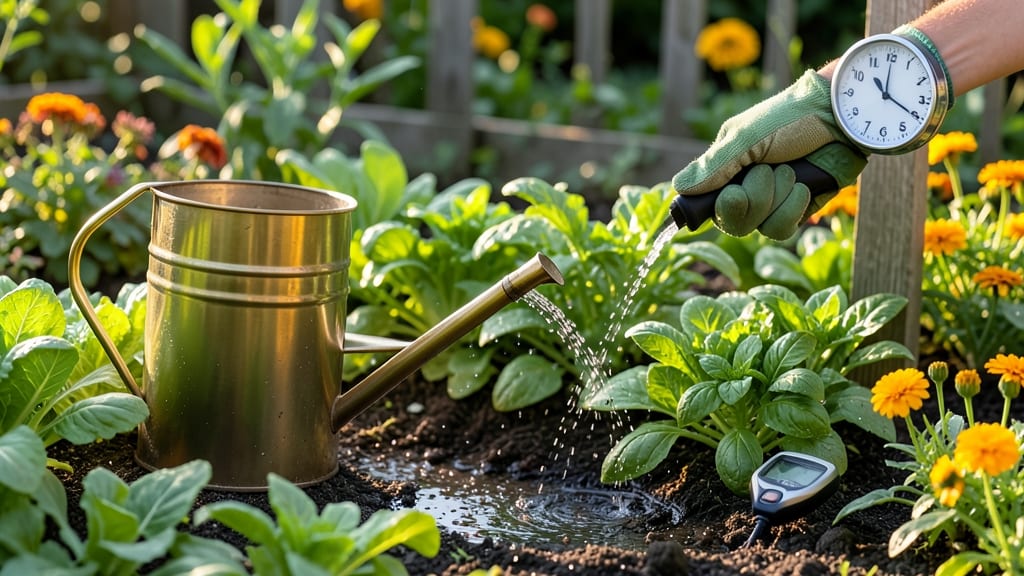
The best time to water a garden is early morning when evaporation is low and roots absorb moisture most efficiently 🌱 — a small change that makes a big difference in plant health and water conservation.
Struggling to keep your garden thriving without wasting water? Timing your irrigation isn't just about convenience—it's the secret weapon for stronger roots, fewer pests, and healthier plants. Science shows early morning watering can boost your garden's success by up to 30%.
Most gardeners assume watering in the evening is best, but that’s when humidity spikes and fungal diseases like powdery mildew thrive. Meanwhile, midday watering lets precious moisture evaporate before it reaches the roots, wasting up to half of what you pour.
The right timing isn’t just about when you water—it’s about how your garden responds.
In this guide, I’ll break down the science behind early morning watering, compare schedules for different climates, and share pro tips to cut waste while keeping your General Garden lush. Whether you’re battling drought or just trying to save time, you’ll learn how to water smarter—not harder.
Why early morning watering maximizes root growth & reduces waste
If you've ever wondered why your tomatoes or herbs seem healthier after morning watering, science has the answer. Early morning irrigation—between 6 AM and 10 AM—aligns perfectly with how plants absorb water and nutrients.
During these hours, soil temperatures are cooler, reducing evaporation by up to 30% compared to midday watering. This means more moisture reaches your root zones instead of vanishing into the air.
Plants also photosynthesize most efficiently when their roots are hydrated before the sun peaks. Studies show that root growth accelerates by 20-30% when watering occurs in the morning, giving your garden a head start for the day.
Plus, wet foliage dries quickly, preventing fungal diseases like powdery mildew that thrive in humid evening conditions.
🌱
The key to morning watering lies in soil moisture levels. Aim to keep the top 6 inches of soil consistently moist but never soggy. A simple test: Stick your finger into the soil—if it feels dry up to your first knuckle, it’s time to water.
This ideal moisture balance encourages deep root penetration, making plants more resilient to drought and pests.
Temperature plays a crucial role too. Cooler morning air means water stays in the soil longer, giving roots time to absorb what they need. In contrast, midday watering causes water stress as plants lose moisture faster than they can uptake it.
Evenings can be risky too—wet leaves overnight create perfect conditions for blight and mold to spread.
💧
For container gardens, morning watering is even more critical because pots dry out faster. Water deeply until it flows from the drainage holes, ensuring roots get the hydration they crave.
Mulching around your plants (with straw or wood chips) also helps retain moisture, reducing the need for frequent watering by up to 40%.
Don’t overlook the psychological benefits of morning routines! Starting your day with watering sets a positive tone for your garden’s health. You’ll notice lush foliage, fewer wilting leaves, and even better-tasting produce. It’s a small change with big rewards—your plants will thank you with vigorous growth and vibrant blooms.
☀️
Pro tip: If you must water in the evening, do it at least 3 hours before sunset to allow foliage to dry. But for the best results, stick to mornings.
Your garden’s future depends on it—literally! With consistent morning watering, you’ll see stronger stems, healthier leaves, and plants that thrive year after year.
The perfect watering schedule: early morning vs. late evening vs. midday
Choosing the right time to water your garden isn't just about convenience—it's about maximizing water efficiency and plant health. The best time to water depends on your climate, plant types, and even seasonal shifts.
For most gardeners, early morning watering between 6 AM and 10 AM is the gold standard, but late evening and midday have their own unique trade-offs. Let's break down the science behind each option so you can tailor your schedule for a thriving garden.
Early morning watering is widely recommended because it aligns with nature's rhythm. Plants have 6-8 hours of daylight to absorb moisture before temperatures rise, reducing water loss from evaporation. This timing also minimizes fungal diseases by giving foliage time to dry completely.
In humid climates, this is especially critical, as damp leaves overnight create perfect conditions for powdery mildew and blight.
When Is the Best Time to Water a Garden?
Early Morning (6-10 AM)
- Pros: Maximizes root absorption, reduces evaporation, prevents fungal growth
- Cons: Requires waking up early, less convenient for some
Late Evening (After Sunset)
- Pros: Cooler temps reduce evaporation, good for drought-prone areas
- Cons: Increases fungal risk, leaves stay wet overnight
Midday (10 AM-4 PM)
- Pros: Most convenient for many gardeners
- Cons: High evaporation rates, water wasted, can scorch leaves
For gardeners in arid regions, late evening watering can be a strategic alternative. The cooler temperatures mean less water evaporates before it reaches the roots, which is crucial when every drop counts.
However, this approach comes with risks—fungal spores thrive in damp conditions, so avoid watering after dark unless absolutely necessary. Always finish by 8 PM to allow foliage to dry before nightfall.
Midday watering is the least efficient option for most gardens. The intense sun and heat cause up to 30% more water loss through evaporation, and the force of sprinklers can damage delicate leaves.
This method is only suitable for container gardens or when using drip irrigation systems that deliver water directly to the soil. Even then, timing should be adjusted to early morning or late evening whenever possible.
Seasonal adjustments are key to maintaining a healthy watering schedule. During spring and fall, when temperatures are moderate, early morning watering remains ideal. But in summer heat waves, you might need to water twice daily—once in the early morning and again in the late afternoon.
In winter, reduce frequency to every 10-14 days unless you're growing cold-hardy crops like kale or carrots.
Pro tip: Use a soil moisture meter to check when your plants truly need water, regardless of the time. Many gardeners overwater in the morning because they assume it's always the best option, but some plants—like succulents or drought-tolerant perennials—thrive on less frequent, deeper watering.
Adjust your schedule based on plant type, soil conditions, and weather forecasts for the most efficient results.