
Advice
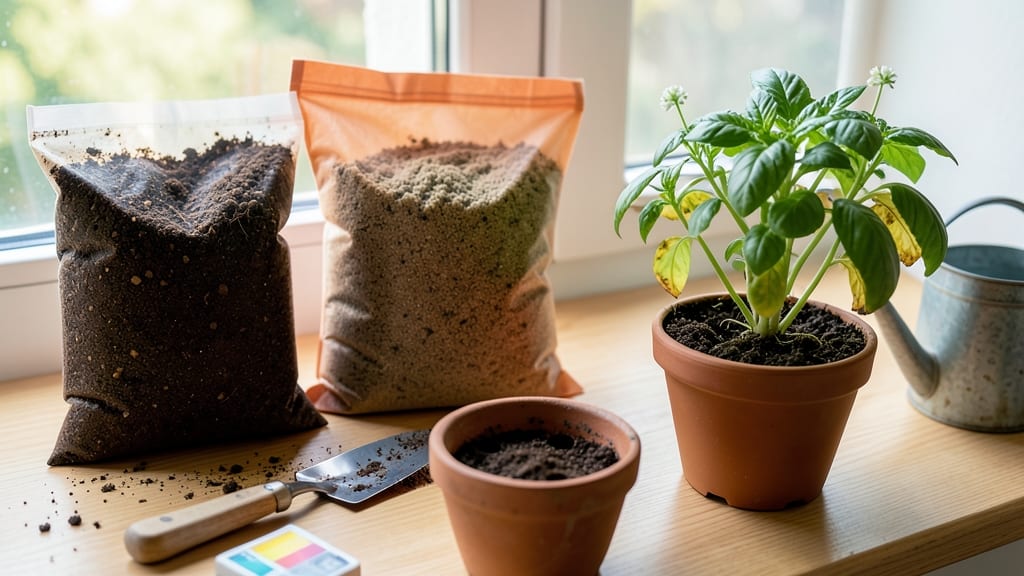
You shouldn't use garden soil for potting because it compacts easily, drains poorly, and may contain weeds, pests, or pathogens. Instead, opt for a lightweight potting mix with perlite, vermiculite, or coconut coir for better aeration and drainage.
Garden soil is designed for outdoor beds where roots can spread freely, but potted plants have restricted space and need air pockets and fast drainage to thrive.
When packed into containers, garden soil becomes dense, suffocating roots and trapping moisture—perfect conditions for fungal diseases like root rot. 🌱 Plus, outdoor soil often brings unwanted hitchhikers: weed seeds that sprout in your pots or pests that attack your plants.
For container gardening, a mix formulated for pots (with added organic matter and amendments) gives your plants the breathable environment they need to grow strong.
If you're determined to use garden soil, sterilize it first by baking it in the oven at 200°F for 30 minutes to kill pathogens, then amend it with 20-30% perlite or sand to improve drainage.
However, even this approach can't fully replicate the benefits of a purpose-made potting mix, which is specifically engineered to prevent compaction and promote healthy root development.
💡 In This Article
- Why Garden Soil Fails in Pots: Compaction and Disease Risks
- Best Potting Mix Alternatives for Healthy Container Plants
Why garden soil fails in pots: compaction and disease risks
Garden soil is engineered for outdoor beds where roots can spread horizontally and vertically without restriction. In containers, however, the confined space causes soil particles to pack tightly together—often reaching 90% compaction within just a few weeks.
This density restricts oxygen flow to roots, creating an anaerobic (oxygen-deprived) environment that stunts growth and weakens plants. 🌱 The tiny air pockets that healthy soil needs for root respiration get crushed, leaving roots gasping for breath.
Poor drainage is the second major issue. Garden soil typically contains 10-20% clay particles, which absorb water like a sponge but release it slowly—far too slowly for container plants. When you water potted plants, excess moisture gets trapped at the bottom of the pot, where roots can't escape.
This creates the perfect breeding ground for Phytophthora and Pythium fungi, which cause devastating root rot. Unlike outdoor plants that can dry out between rain showers, potted plants rely on you to prevent waterlogging every single time.
The hidden dangers don't stop at compaction. Garden soil often contains dormant weed seeds that germinate when exposed to ideal growing conditions in pots. A single handful of soil can introduce hundreds of weed seeds, turning your carefully tended plants into a battleground.
Pests like nematodes and fungal spores also thrive in outdoor soil, hitching a ride into your containers and attacking vulnerable roots. Even "clean" looking soil can harbor these microscopic invaders—one study found 95% of garden soil samples contained at least one type of plant pathogen.
Consider how soil structure differs between in-ground and container environments. Outdoor soil has natural porosity from organic matter breakdown and root channels, while potted soil lacks these voids.
The water retention capacity of garden soil (often 25-35% by volume) becomes a death sentence in pots, where roots need quick access to oxygen between waterings. This mismatch explains why even drought-tolerant plants struggle when forced into garden soil containers.
What most gardeners overlook is how temperature fluctuations in pots accelerate soil degradation. Containers heat up faster than ground soil, causing organic matter to break down 30-50% faster—depleting nutrients and further compacting the mix. This creates a vicious cycle: as soil loses structure, drainage worsens, and roots suffocate.
The result? Plants that look healthy above ground but are actually starving below it, unable to access the water and nutrients they need.
For example, try growing basil in garden soil versus a proper potting mix. In garden soil, the roots will become waterlogged after just 2-3 waterings, leading to yellowing leaves and stunted growth.
In the right mix, the same basil plant will thrive with 10% of the water and produce 40% more leaves due to better oxygen flow. The difference isn't just theoretical—it's visible in your kitchen windowsill within weeks. ✨