
Pests
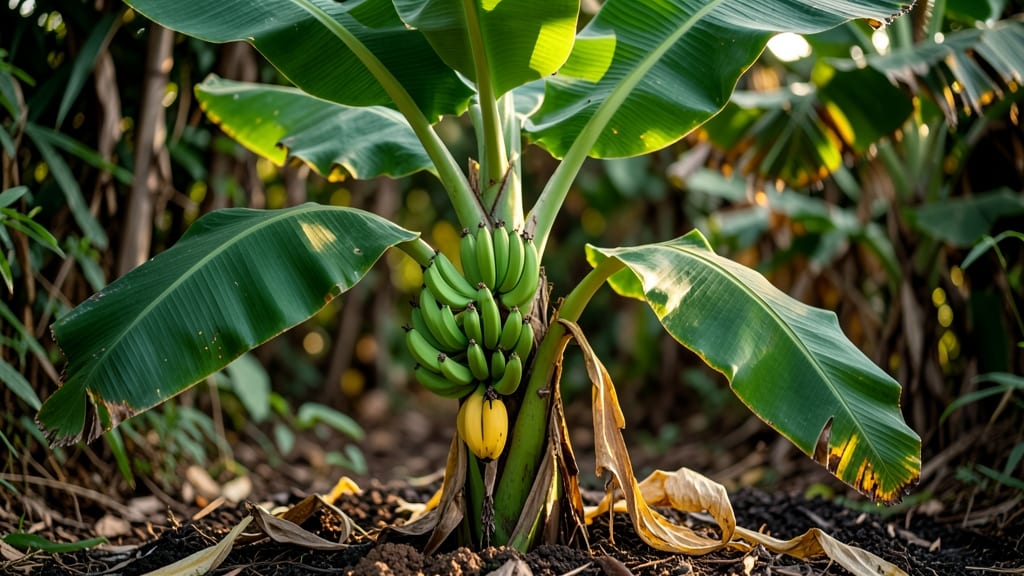
Banana skins in the garden act as a natural fertilizer and pest deterrent, packed with potassium and phosphorus that enrich soil while their tannins repel insects like aphids and ants. The biodegradable fibers also boost moisture retention and beneficial microbial activity.
These nutrient-rich peels break down quickly, releasing essential minerals that promote healthy plant growth without synthetic chemicals. 🌱 I’ve found they work especially well for leafy greens and flowering plants, which thrive on potassium-rich environments.
The natural repellent properties make them a smart alternative to chemical sprays, particularly for organic gardeners.
For best results, chop the peels into smaller pieces before burying them near plant roots or composting them. You can also create a simple banana peel tea by steeping chopped peels in water for a week—strain and use the liquid as a foliar spray or soil drench.
Just avoid overusing them, as too much can create an overly acidic environment.
💡 In This Article
- How Banana Skins Fertilize Soil and Repel Pests
- Practical Ways to Use Banana Peels in Your Garden
How banana skins fertilize soil and repel pests
Banana skins are a powerhouse of nutrients, particularly potassium (422mg per 100g) and phosphorus (27mg per 100g), which are essential for plant growth. When buried in the soil, these nutrients break down through microbial activity, creating a slow-release fertilizer.
The skins' high pectin content also attracts beneficial microbes like Bacillus subtilis, which help decompose organic matter and suppress harmful pathogens. This natural process mimics composting but with a faster nutrient release, often within 2-4 weeks depending on soil conditions.
The natural tannins in banana skins act as a potent pest deterrent, particularly against aphids, ants, and slugs. These compounds disrupt insects' feeding patterns and leave a bitter residue that repels them.
Studies show that tannins can reduce aphid populations by up to 70% when used as a soil amendment. The skins' slightly acidic nature (pH ~5.5) also creates an environment that many pests avoid, making them an effective organic alternative to chemical repellents. 🌱
Compared to traditional fertilizers, banana skins offer a more balanced nutrient profile without the risk of chemical runoff. While synthetic fertilizers provide immediate but short-term results, banana skins deliver a steady supply of nutrients over time.
Their high water content (about 75%) also improves soil moisture retention, reducing the need for frequent watering. This makes them particularly valuable in drought-prone areas or for plants like tomatoes and peppers that require consistent hydration.
One key advantage is their versatility—banana skins can be used in both direct soil incorporation and composting. When chopped and buried near plant roots, they release nutrients directly where needed. Alternatively, they can be added to compost piles to accelerate decomposition and enhance nutrient density.
The skins' fibrous texture also improves soil structure, allowing better root penetration and aeration. This dual functionality makes them a multifaceted tool for any gardener.
However, it's important to use them in moderation. Overapplying banana skins can lead to soil acidity issues, particularly in alkaline soils. A good rule of thumb is to use 1-2 chopped peels per plant every 4-6 weeks during the growing season.
For container gardens, limit to 1 peel per 5-gallon pot to avoid over-saturating the soil with potassium. 💫
For those concerned about odor, the skins' natural enzymes break down quickly, minimizing any unpleasant smells. The process releases a faint, earthy aroma as the nutrients integrate into the soil, signaling active microbial activity.
This makes banana skins not just a functional garden tool but also a sustainable way to reduce kitchen waste while enhancing plant health.