
Container Gardens
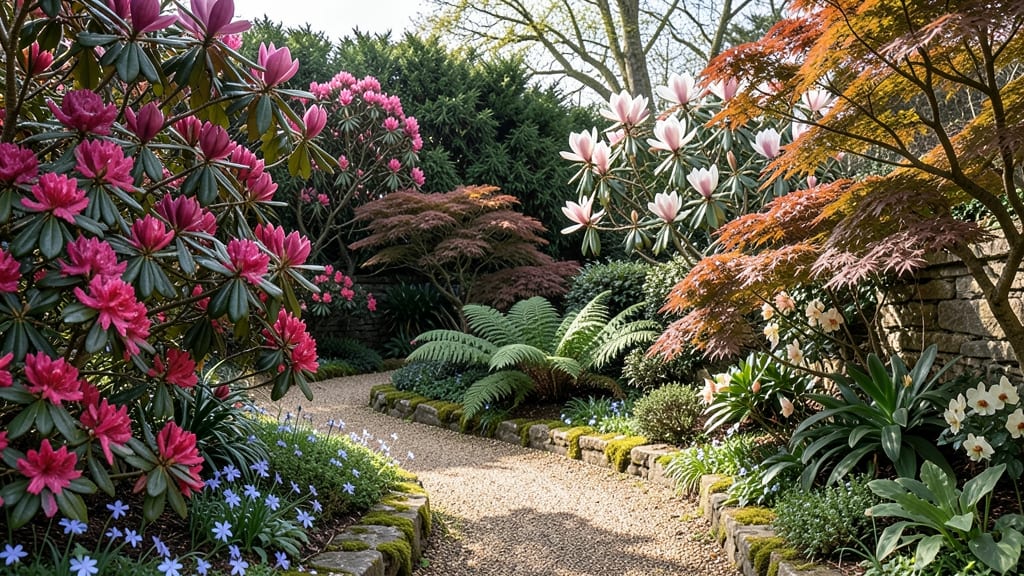
The botanical gardens in Belfast showcase stunning landscapes, rare plant collections, and vibrant seasonal displays featuring azaleas, rhododendrons, and camellias, with peaceful trails winding through woodlands and glasshouses filled with exotic tropical plants.
Belfast's botanical gardens stand out as a haven for nature lovers, blending conservation with breathtaking beauty. 🌿 The gardens' carefully curated plant collections—including rare species—thrive thanks to their climate-adapted growing conditions, making each season a unique experience.
Whether you're admiring the spring azaleas or exploring the glasshouses filled with tropical flora, there's always something new to discover.
What makes this garden special is its mix of hidden trails and well-maintained paths, offering both adventure and tranquility. The woodlands provide a serene escape, while the glasshouses transport you to a lush, exotic world.
Many visitors also appreciate the seasonal events and photography opportunities, making it a perfect spot for both casual strolls and dedicated plant enthusiasts.
💡 In This Article
- Exploring Belfast Botanical Gardens’ Unique Plant Collections
- Best Times to Visit Belfast Botanical Gardens for Peak Blooms
Exploring Belfast botanical gardens’ unique plant collections
The gardens' star attractions are their seasonally adapted plant collections, carefully selected to thrive in Belfast's maritime climate.
The 1,500+ plant species include rare rhododendrons from the Himalayas and camellias from East Asia, both of which flourish in the gardens' acidic, well-drained soils with 60-70% humidity levels—ideal for these moisture-loving plants. 🌸 What's fascinating is how the gardeners use microclimate zones to create optimal growing conditions, from sun-drenched borders to shaded woodland areas where ferns and hostas thrive.
The spring azalea displays (March-May) are particularly spectacular, featuring hybrids that bloom in vibrant pinks, purples, and whites. These plants require consistent moisture but excellent drainage, which the garden achieves through a drip irrigation system> that delivers 1-2 inches of water weekly> during their blooming season.
The winter camellias (November-February) offer a different contrast—thick, glossy leaves and delicate flowers that withstand 32-45°F temperatures>, thanks to their native resilience to mild winters.
Conservation plays a key role in these collections.
The gardens participate in international plant exchange programs>, helping preserve endangered species like the Belfast Giant Rhododendron (Rhododendron 'Belfast Giant')>, a hybrid developed here in the 1950s. Visitors often miss the conservatory's endangered orchid collection>, where 12 species of Cypripedium> (lady's slipper orchids) are cultivated under controlled 70-80°F and 80% humidity> conditions to mimic their natural tropical habitats.
For plant enthusiasts, the botanical labels> provide fascinating details about each species' origin, height (2-15 feet>), and preferred growing conditions.
The Japanese maples> in the woodland garden, for instance, grow best in partial shade with afternoon sun>, while the magnolias> along the main paths thrive in full sun with well-composted soil>.
This thoughtful arrangement creates a visual journey through different ecosystems as you walk through the gardens.
The glasshouses offer another layer of discovery, where tropical plants> like the Victoria amazonica> (giant water lily) and monstera deliciosa> grow under 85°F temperatures> and high humidity.
These environments demonstrate how plants adapt to extreme conditions—something particularly striking when you see the carnivorous pitcher plants> digesting insects in their acidic, nutrient-poor soil> mixtures. 🌿 The contrast between these tropical displays and the hardy outdoor collections highlights nature's incredible adaptability.
What most visitors don't realize is how the gardens' pollinator-friendly plantings> support local ecosystems. The 20+ varieties of lavender> and native wildflowers> attract bees and butterflies year-round, while the magnolia trees> provide early spring nectar for returning migratory birds.
This ecological balance makes the gardens not just beautiful, but actively beneficial to Belfast's wildlife.