
Plants
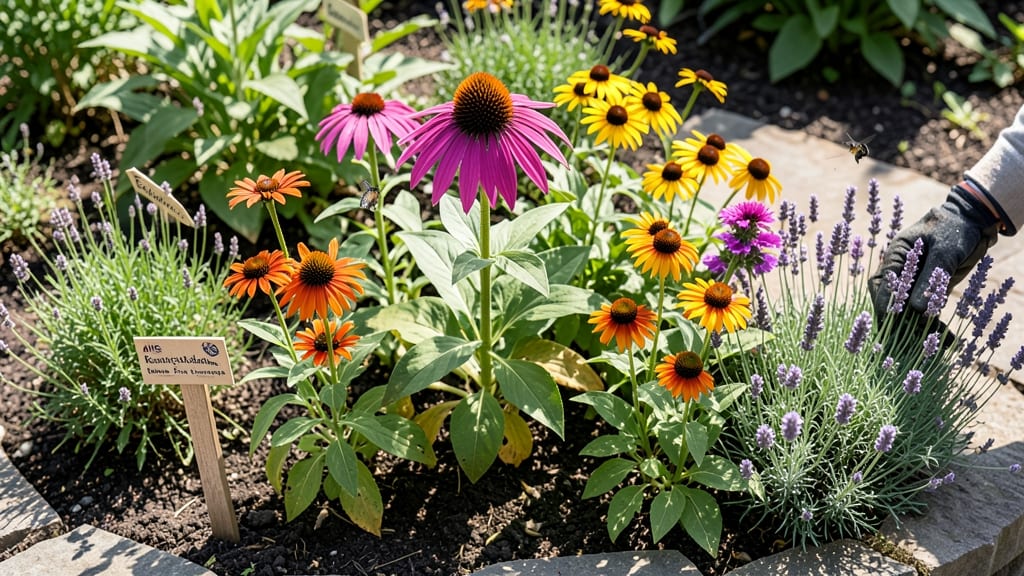
The American Horticultural Society reciprocal garden network connects plant enthusiasts nationwide to swap seeds, cuttings, and rare plants while preserving biodiversity and reducing costs. Membership unlocks access to regional gardens for free plant exchanges and expert gardening resources.
The American Horticultural Society (AHS) reciprocal garden network creates a collaborative space where gardeners can share plants without spending money. 🌱 This system works by matching members with participating gardens in their region, allowing them to trade seeds, cuttings, or even mature plants.
The network prioritizes heirloom and rare varieties, helping to preserve plant diversity that might otherwise disappear. Plus, it’s a sustainable way to expand your garden collection while connecting with fellow plant lovers across the country.
One of the biggest perks is the access to expert resources. Members gain insights from seasoned gardeners, seasonal swap schedules, and even digital tools to track their trades.
Whether you're a beginner or a seasoned horticulturist, this network makes it easier to grow your garden while giving back to the plant community.
💡 In This Article
- How the AHS Reciprocal Garden Network Facilitates Plant Exchanges
- Maximizing Benefits: Best Practices for Participating in Plant Swaps
How the AHS reciprocal garden network facilitates plant exchanges
The AHS reciprocal garden network operates like a nationwide plant-sharing marketplace, but with a focus on sustainability and biodiversity. When you join, you’re matched with participating gardens in your region—some within just a few miles—using a digital platform that tracks your location and preferences.
The system prioritizes rare or heirloom varieties, ensuring that plants like 19th-century apple cultivars or heirloom tomatoes don’t disappear from circulation. This is especially critical because over 90% of plant varieties grown in the early 1900s have vanished from commercial agriculture.
Exchanges typically follow seasonal schedules, with peak activity in spring (March-May) for seeds and cuttings and fall (September-November) for mature plants or bulbs. The logistics are surprisingly simple: you request what you want, and the network matches you with a gardener who has it.
Physical swaps often happen at local gardens or community events, while digital members can ship plants via prepaid envelopes or small packages. What’s fascinating is how the network uses a trust-based rating system, where members leave feedback after exchanges—similar to e-commerce reviews, but for plants!
The real magic happens in how this system preserves biodiversity. Many participating gardens specialize in native plants or endangered species, like lady slipper orchids or rare hosta varieties. By swapping, you’re not just getting free plants—you’re helping maintain genetic diversity that would otherwise be lost to monoculture farming.
For example, a gardener in New England might trade a heirloom pumpkin cutting for a Southern magnolia seedling from a Florida member, creating a living archive of regional flora.
For new members, the process starts with creating a profile on the AHS platform, where you list what you can offer (like seed packets or division-ready perennials) and what you’re seeking. The network’s algorithm then suggests matches based on your location, plant preferences, and past trades.
What’s often overlooked is the educational component: many swaps include notes about growing conditions or care tips, turning each exchange into a mini-lesson. 🌿 For instance, a gardener sending blueberry cuttings might include soil pH requirements or pruning advice.
One standout feature is the network’s digital plant passport system, where each specimen is logged with details like origin, disease resistance, and hardiness zone. This transparency helps prevent the accidental spread of invasive species—a common pitfall in informal plant swaps.
For example, if a gardener in California tries to swap English ivy (an invasive there), the system flags it as a red alert. This level of detail ensures that every trade contributes to ecological health, not harm.
Beyond the practical benefits, the network fosters a sense of community. Many members report forming lasting friendships with fellow gardeners they’ve never met in person, all united by a shared passion for plants.
The AHS even hosts virtual meetups where members can ask experts about propagation techniques or troubleshoot pest issues. It’s a reminder that gardening, at its core, is about connection—both to the earth and to each other. 🌱