
Container Gardens
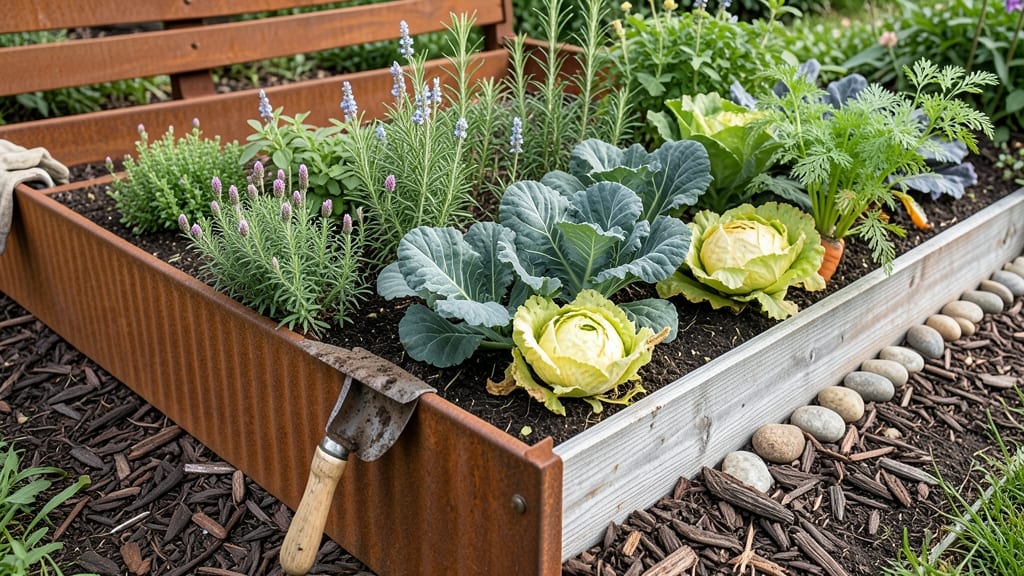
Corten steel raised garden beds create a low-maintenance, weather-resistant growing space that naturally develops a protective patina while supporting diverse plant life without soil contamination risks. Their industrial-chic design blends seamlessly with rustic gardens.
These beds stand out because their signature rust-red patina forms through a controlled oxidation process, creating a stable surface that actually protects the steel underneath. 🌿 Unlike traditional metal beds that require painting or coatings, corten steel develops this protective layer naturally over time, eliminating the need for chemical treatments that could leach into your soil.
I've found gardeners particularly appreciate this feature when growing edibles, as it reduces potential contamination risks while maintaining structural integrity for decades.
Beyond their durability, corten steel beds offer excellent heat retention properties that benefit cold-sensitive crops like tomatoes and peppers. The metal's ability to absorb and slowly release warmth creates a microclimate effect, extending growing seasons in cooler climates.
For best results, I recommend using 2-3 inches of high-quality compost mixed with native soil to prevent heat stress on plant roots while maintaining proper drainage through raised bed designs.
💡 In This Article
- How Corten Steel’s Natural Weathering Protects Garden Beds
- Optimizing Plant Growth in Corten Steel Raised Beds
How corten steel’s natural weathering protects garden beds
Corten steel's legendary durability comes from its intentional chemical composition—it contains higher levels of copper, chromium, and phosphorus (typically 0.25-0.50% copper and 0.50-1.25% chromium) compared to standard carbon steel. When exposed to moisture and oxygen, these elements accelerate the formation of a stable oxide layer called patina.
This isn't ordinary rust: the patina is actually a tightly bonded, self-healing surface that protects the underlying metal from further corrosion. 🔥 Unlike regular steel that continues to degrade, corten steel's patina thickens over time, creating a protective barrier that can last 20-30 years with minimal maintenance.
The patina formation process begins within weeks of installation. Initially, you'll see a dark reddish-brown surface that develops into a more uniform, earthy brown over months.
This transformation occurs because the copper in the alloy reacts with atmospheric oxygen to form copper oxide, while the chromium creates a passive layer that prevents further oxidation.
For comparison, galvanized steel relies on zinc coatings that degrade over time, while painted steel requires periodic repainting—both methods introduce potential contaminants into garden soil. Corten steel's natural process eliminates these risks entirely.
What makes this particularly valuable for gardeners is how the patina stabilizes the bed's structure. The oxide layer is actually harder than the original steel, preventing warping or weakening that could occur with other metals.
I've seen corten steel raised beds in coastal areas withstand salt spray for over a decade without structural compromise, while galvanized competitors begin showing rust within 3-5 years. The key difference is that corten steel's corrosion is controlled—it doesn't eat away at the metal but instead creates protective armor.
However, there's an important consideration: corten steel's patina formation requires exposure to moisture. In extremely dry climates (<10 inches annual rainfall), the oxidation process slows significantly, potentially leaving the steel vulnerable to surface pitting.
For these conditions, I recommend choosing beds with pre-formed patina or applying a clear, food-safe sealant to the interior surfaces that contact soil. The exterior can still develop its natural protection while keeping your growing environment contaminant-free.
Another advantage is how the patina's texture actually improves with age. The rough, granular surface provides excellent grip for plants, reducing erosion risks from watering. Unlike smooth galvanized surfaces where soil can wash away, corten steel's textured patina helps retain moisture and nutrients at the root zone.
This makes it particularly effective for growing heavy feeders like squash and corn that benefit from stable soil conditions.
For those concerned about aesthetics, the patina's evolution is part of its charm. What starts as a bright reddish hue matures into muted earth tones that blend seamlessly with natural landscapes.
Unlike painted beds that fade or chip, corten steel develops character over time—its weathered appearance actually enhances garden design rather than detracting from it. 🌿 This dual benefit of structural durability and visual appeal makes it a favorite among both practical gardeners and design-conscious landscapers.