
Light Requirements
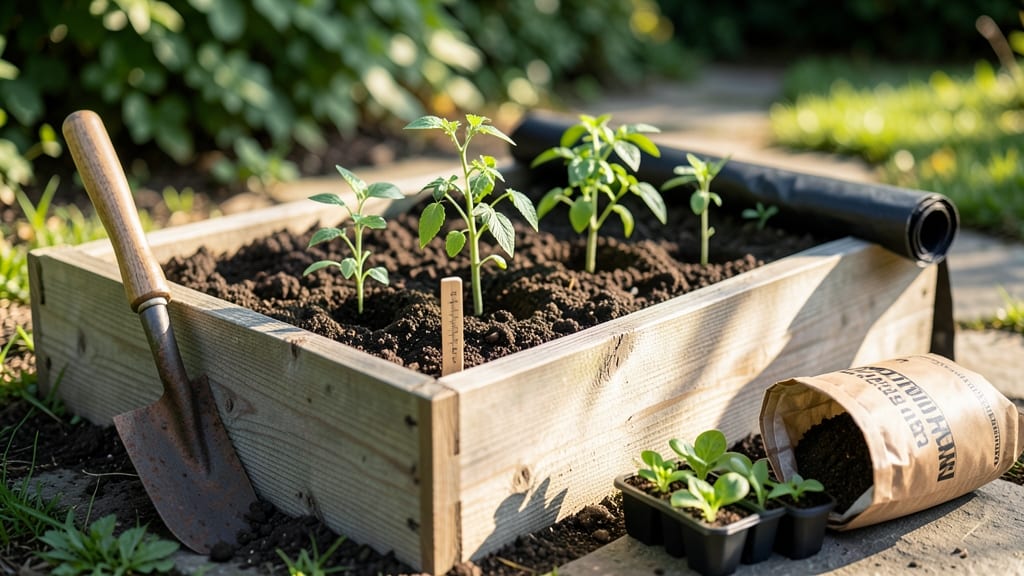
To determine how much soil for a raised garden bed, plan for 6 to 12 inches of growing medium for most vegetables and herbs, while deeper beds (12–18 inches) accommodate root crops like carrots or potatoes. Multiply bed dimensions (length × width × depth) and reduce by 30% to account for soil compaction.
Most gardeners start with 6 inches of soil for leafy greens and shallow-rooted plants, but deeper beds unlock better growth for root vegetables. 🌱 The extra depth improves drainage and nutrient access—critical for crops like potatoes that need room to expand.
I always add a 2-inch layer of compost at the bottom to boost fertility while maintaining proper aeration.
When calculating soil volume, remember that loose soil settles over time—this is why professional growers recommend adding 20-30% extra beyond your initial measurements.
For example, a 4'×8' bed with 12" of soil appears to need 32 cubic feet, but you’ll actually use closer to 40 cubic feet after accounting for compaction. Mixing 60% topsoil, 30% compost, and 10% perlite creates an ideal balance for most plants.
💡 In This Article
- Raised Garden Bed Soil Depth Requirements by Plant Type
- Calculating Soil Volume for Custom Raised Beds
Raised garden bed soil depth requirements by plant type
The soil depth in your raised bed directly impacts plant health by determining root spread and nutrient access.
Shallow-rooted plants like lettuce, spinach, and herbs thrive in just 4-6 inches of soil, but their roots still need room to expand laterally—this is why beds should be at least 12 inches wide.
The science here involves oxygen availability: deeper soil holds more air pockets, crucial for microbial activity that breaks down organic matter into plant-available nutrients. 🌱
Root vegetables like carrots, beets, and potatoes demand 12-18 inches of loose soil to prevent forking or stunted growth. The extra depth reduces competition for water and nutrients while allowing roots to penetrate deeper for stability.
For example, a 16-inch-deep bed gives carrots enough space to grow straight and fully—something impossible in standard garden soil where compaction often limits root development to 8-10 inches.
Heavy feeders like tomatoes and peppers benefit from 12+ inches of well-aerated soil to support their extensive root systems.
These plants also require frequent feeding, so incorporating 3-4 inches of compost in the bottom third of the bed creates a nutrient-rich zone where roots can access organic matter as they grow downward. The compost's microbial activity also produces heat, which can be particularly beneficial in cooler climates. 💫
Drainage is another critical factor—waterlogged soil cuts off oxygen to roots, leading to rot. A 2-inch layer of coarse material (gravel, perlite, or sand) at the bottom improves drainage while preventing soil from washing out.
This layer should never exceed 10% of total bed depth, as it reduces usable growing space. For containers or small beds, consider adding a 1-inch drainage layer of landscape fabric between the coarse material and soil to maintain separation.
Consider these plant categories for quick reference:
- Shallow-rooted: Lettuce, spinach, radishes (4-6 inches soil)
- Medium-rooted: Bush beans, peas, onions (8-12 inches soil)
- Deep-rooted: Carrots, potatoes, asparagus (12-18 inches soil)
- Heavy feeders: Tomatoes, peppers, squash (12+ inches soil + compost)
For mixed beds, aim for a 12-inch minimum—this depth accommodates most vegetables while providing flexibility for crop rotation. The extra space also helps prevent soil-borne diseases by allowing roots to grow away from the bed's base where pathogens often accumulate. 🌿