
Container Gardens
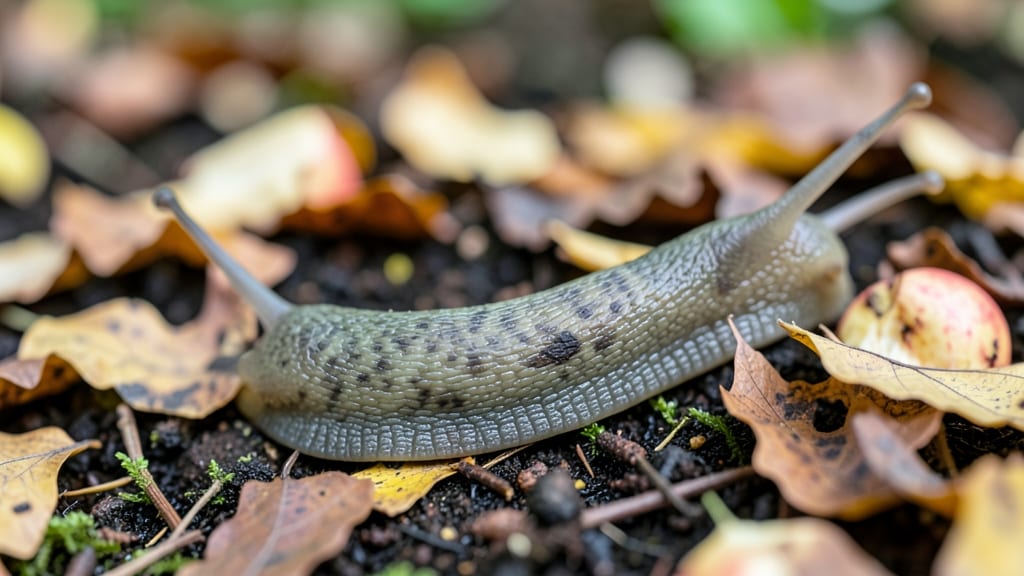
Slugs in gardens are beneficial in some ways by decomposing organic matter, enriching soil, and controlling pests like aphids, but their appetite for tender plants usually causes more harm than good.
Slugs act as nature's cleanup crew, breaking down dead leaves and plant debris into nutrient-rich castings that boost soil fertility. 🌱 Their feeding habits also create tiny tunnels that improve drainage and aeration, which is especially helpful in dense or compacted soil.
However, their love for young seedlings and leafy greens often makes them more of a nuisance than a helper in most home gardens.
Many gardeners find themselves torn between appreciating slugs' ecological role and dealing with the visible damage they leave behind. The key is finding a balance—letting them contribute to soil health while protecting vulnerable plants.
I've seen firsthand how a few slugs can transform a patch of heavy clay into looser, more fertile ground, but only when their numbers stay in check.
💡 In This Article
- How Slugs Improve Soil Health Naturally
- Balancing Slugs in the Garden: Natural Control Methods
How slugs improve soil health naturally
Slugs are nature's unsung decomposers, breaking down organic matter at a microscopic level. Their saliva contains enzymes that liquefy plant debris, allowing them to consume and digest materials that would otherwise take years to decompose naturally.
This process converts dead leaves, fallen fruits, and other plant waste into nutrient-rich castings—essentially slug manure—which releases nitrogen, phosphorus, and potassium back into the soil over time. In fact, studies show that slug castings can contain up to 3.5% nitrogen, making them a valuable fertilizer for plants.
Their feeding activity also creates tiny tunnels through the soil, improving aeration and water infiltration.
These micro-channels help roots penetrate compacted soil more easily, reducing the need for tilling. 🌱 For example, in a 1-square-foot area with moderate slug activity, you might find hundreds of these tiny tunnels, which can increase soil porosity by 15-20% compared to undisturbed soil.
This natural aeration is particularly beneficial for heavy clay soils where water drainage is poor.
Slugs play a subtle but important role in the food chain by preying on small pests like aphids, snails, and even other slugs. Their diet includes up to 100 aphids per night for a single slug, which helps control populations of these plant-sucking pests.
However, this benefit is often overshadowed by their own appetite for young seedlings and tender foliage. The irony is that while they help keep other pest populations in check, their own feeding habits can create more problems than they solve in most home gardens.
One of the most fascinating aspects of slug ecology is their contribution to nutrient cycling. Unlike earthworms, which primarily process organic matter below ground, slugs operate on the soil surface, breaking down materials that worms might miss.
This dual approach creates a more balanced decomposition process. For instance, in a forest ecosystem, slugs might process fallen leaves while earthworms handle buried roots—both playing complementary roles in soil health.
However, their benefits come with trade-offs. While slugs improve soil structure and fertility, their voracious appetite for young plants and seedlings can devastate a garden.
A single slug can consume up to 0.5 square inches of leaf tissue per night, and in a garden with hundreds of slugs, the cumulative damage can be significant. This is why many gardeners see them as more of a nuisance than a benefit, despite their ecological contributions.
The key to harnessing slugs' benefits lies in managing their populations. Allowing a small, controlled number to thrive can improve soil health, but letting them multiply unchecked will lead to visible damage.
For example, in a 10-by-10-foot vegetable garden, a balanced slug population might contribute to soil fertility without causing noticeable harm, whereas an unchecked infestation could wipe out entire rows of seedlings.