
Pests and Diseases
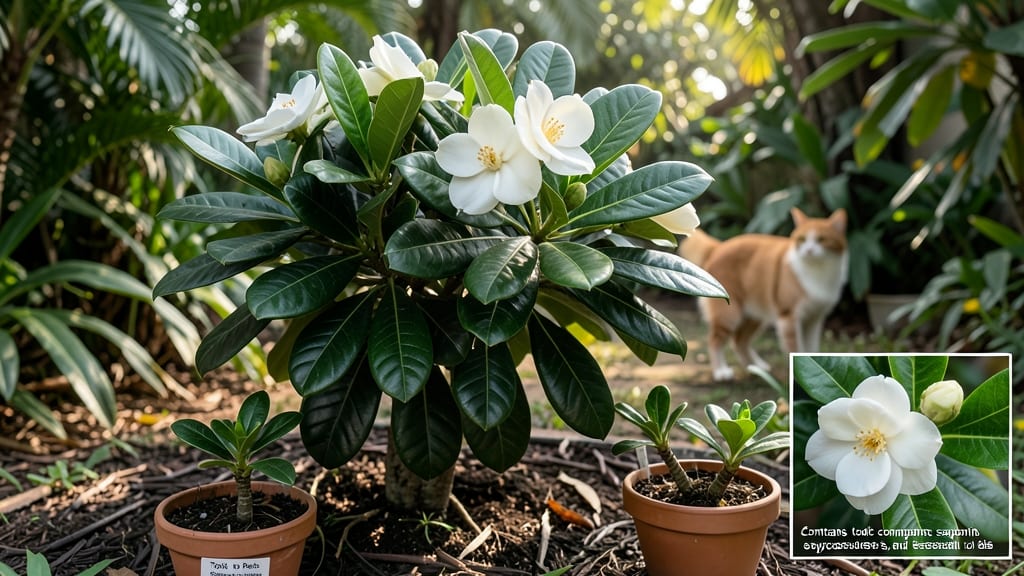
Gardenias are toxic to pets and humans because their leaves, flowers, and stems contain harmful compounds like saponins and glycosides, which can trigger vomiting, diarrhea, or skin irritation when ingested or touched.
Gardenias contain natural chemicals that act as a defense mechanism for the plant, and these same compounds can be dangerous to curious pets or sensitive humans. 🐾 Dogs and cats are particularly at risk because their smaller size means even small amounts of plant material can cause noticeable reactions, while humans might experience mild skin irritation or digestive upset after handling.
The severity depends on how much is ingested or absorbed, but it's always best to err on the side of caution.
If you're concerned about your garden's safety, there are plenty of beautiful alternatives that won't harm your furry friends. Many flowering plants like jasmine or roses offer similar fragrance and visual appeal without the toxic risks.
Just be sure to research each option thoroughly—some popular garden plants can still pose dangers in different forms.
💡 In This Article
- Toxic Compounds in Gardenias: What Makes Them Dangerous
- Safe Gardenia Alternatives for Pet-Friendly Landscaping
Toxic compounds in gardenias: what makes them dangerous
The primary culprits behind gardenia toxicity are saponins and glycosides, two classes of natural chemicals that act as the plant's built-in defense system. Saponins create a soapy lather when mixed with water, which disrupts cell membranes in animals that ingest them.
In gardenias, these compounds are most concentrated in the leaves and stems, with flowers containing smaller amounts. 🌿 When pets chew on gardenia foliage, the saponins trigger an immediate digestive response, often leading to drooling, vomiting, or diarrhea within 30-60 minutes of exposure.
Glycosides in gardenias work differently—they're metabolized into cyanogenic compounds that can affect the nervous system. While gardenias contain lower levels of these than some other plants, the combination of saponins and glycosides creates a potent cocktail.
For dogs, even 1-2 leaves can cause noticeable symptoms, while cats may react to smaller amounts due to their lower body weight. Humans typically experience milder reactions like skin irritation or mouth sores when handling the plants, but children are more vulnerable to accidental ingestion.
The severity of reactions depends on several factors: the amount consumed, the animal's size, and individual sensitivity. A 10-pound dog might show symptoms from eating 5-10% of its body weight in gardenia leaves, while a larger dog could handle slightly more before showing effects.
The plant's texture—thick, leathery leaves—makes it less appealing to pets, but the fragrance can sometimes lure curious animals closer. 🐶 What's particularly concerning is that gardenias contain caffeine-like compounds that can stimulate the heart, potentially causing rapid breathing or weakness in severe cases.
Skin contact with gardenia sap can also trigger allergic reactions in sensitive individuals. The plant's essential oils, which contribute to its signature fragrance, contain irritating terpenes that may cause redness, itching, or blistering upon prolonged exposure.
Unlike ingestion symptoms, skin reactions can develop over 12-24 hours, making them harder to connect directly to gardenia exposure. This delayed response is why gardeners often develop sensitivities over time when handling the plants frequently.
Veterinary cases show that gardenia toxicity is more common in urban areas where these plants are popular in landscaping. The ASPCA receives reports of gardenia-related incidents during spring and summer when plants are in full bloom and pets have greater outdoor access.
Interestingly, the flowers themselves are less toxic than the foliage, but their sweet scent can still attract pets. 🌸 This creates a dangerous paradox—what smells pleasant to humans may be enticing but harmful to animals.
If you suspect your pet has ingested gardenia, immediate action is crucial. Inducing vomiting (only under veterinary guidance) within 2 hours can significantly reduce absorption of the toxic compounds. For humans, thorough handwashing with soap and water after handling gardenias can prevent skin reactions.
The key takeaway is that while gardenias are beautiful, their chemical defenses make them a plant to admire from a distance—not to ingest or handle carelessly.